


The Unexpected Twist in Silicon Valley’s High-Stakes Drama
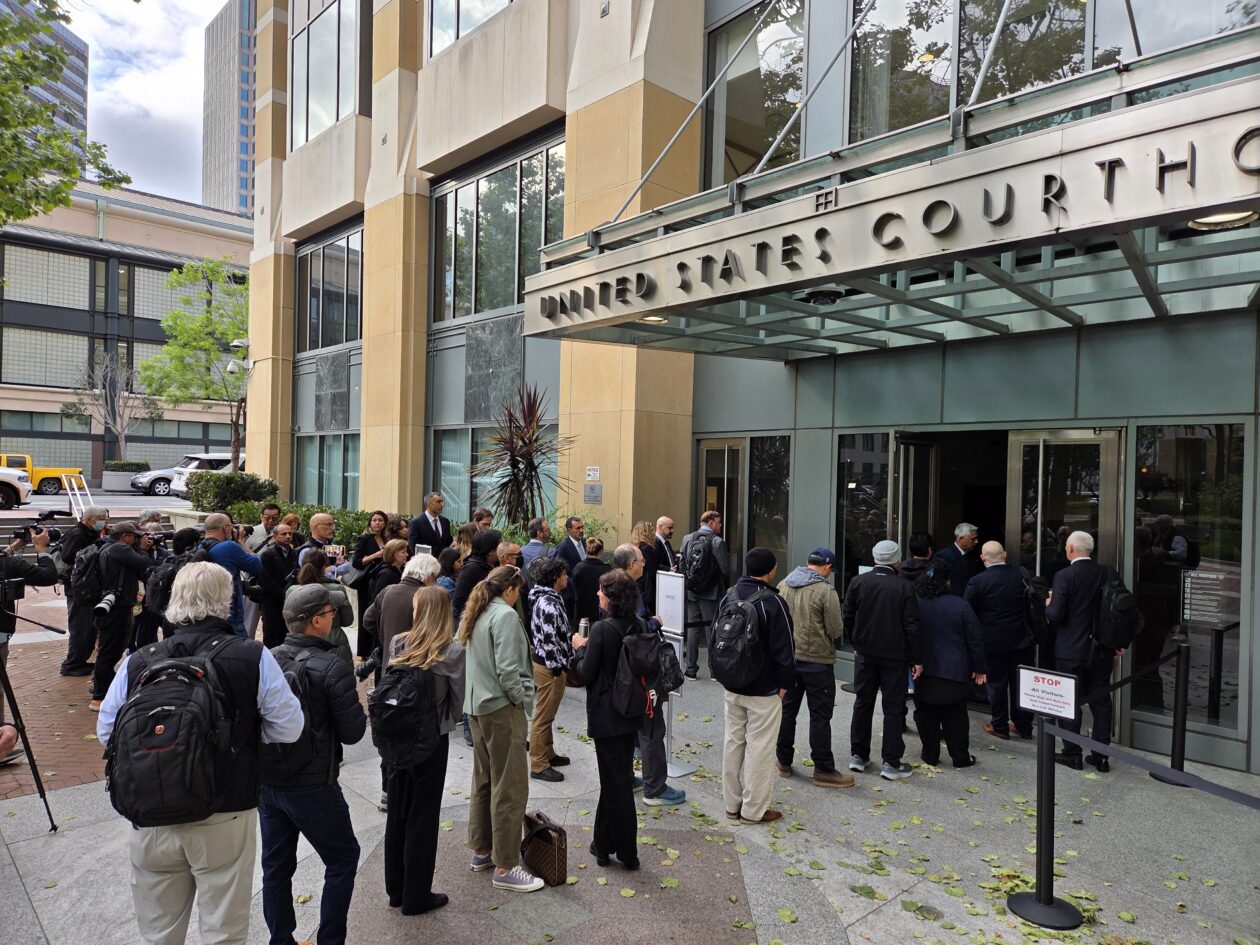
In the bustling heart of Oakland, California, April 27, 2026, dawned like any other day for most, but for a select group of tech titans and legal eagles, it was electric. Outside the imposing U.S. Courthouse, a throng of sharply dressed lawyers mingled with eager reporters, their cameras flashing and notepads at the ready. They were all gathered for what promised to be one of the most riveting spectacles in the world of innovation: the start of jury selection in Elon Musk’s blockbuster lawsuit against Sam Altman, OpenAI, and Microsoft. Musk, the irreverent billionaire known for his rocket launches and electric dreams, was accusing the golden trio of betraying a sacred trust—specifically, how Microsoft allegedly steered OpenAI away from its original nonprofit roots. Whispers of billions in potential penalties added a layer of tension, transforming the Oakland federal court into a modern-day Colosseum where tech dreams clashed with corporate ambition. Imagine the scene: Elon, ever the showman, probably pacing like a caged tiger, while Altman’s cool demeanor hid whatever storms brewed beneath. It wasn’t just a legal battle; it was a peek into the soul of innovation, where friendships forged in code could turn to warfare over control and ethics. As people settled in, phones buzzing with updates, it felt like the world held its breath—would the jury see Musk’s passion as righteous, or dismiss it as the rantings of a jealous genius? And then, just as the courtroom doors creaked open, a bombshell dropped. Microsoft and OpenAI announced a seismic shift in their partnership, timed so impeccably it seemed almost theatrical. It was as if the universe was rewriting the script right before our eyes.
Delving deeper into the announcement, it became clear this wasn’t just a tweak—it was a revolution in how tech giants operated. Under the new terms, OpenAI, the brainchild of Altman and his team, would no longer be shackled to Microsoft alone. They could now unleash their AI products, including those API-based services once locked away for Azure’s exclusive use, on any cloud platform out there. Picture Amazon Web Services (AWS), Google’s Cloud, or even upstarts bidding for a piece of OpenAI’s magic. It was a bold declaration of freedom, stripping away the monopoly grip Microsoft had held. But the ripples spread instantly; Amazon CEO Andy Jassy wasted no time, firing off a LinkedIn post that sent shockwaves through the industry. “Excited to share that OpenAI’s models are coming to Amazon Bedrock in the coming weeks,” he proclaimed, with more details promised at an AWS event in San Francisco the very next day. For the average observer scrolling through their feed, it must have felt like witnessing a break-up in real-time—Microsoft suddenly the ex, other suitors lining up. The deal extended Microsoft’s license to OpenAI’s intellectual property through 2032, but with a crucial twist: it was no longer exclusive. No more revenue-sharing handouts from Microsoft to OpenAI, though OpenAI would keep footing bills to Microsoft until 2030, capped to prevent runaway costs. It was a dance of equals, or at least an illusion of one, where Microsoft clung to its status as OpenAI’s primary cloud partner. Products would still debut on Azure first, unless Microsoft couldn’t—or wouldn’t—handle the heavy lifting. And don’t forget, Microsoft was still a major shareholder, a silent puppeteer in the background.
This timing, oh, the timing—it was poetic justice or masterful strategy, depending on your allegiance. Jury selection kicked off right as this news hit the wires, in a court presided over by the unflappable U.S. District Judge Yvonne Gonzalez Rogers. Musk’s case hinged heavily on Microsoft’s overbearing influence, accusing it of pulling OpenAI from its philanthropic path into a corporation’s cold embrace. Imagine the jurors, everyday folks plucked from Oakland’s diverse tapestry—engineers, teachers, retirees—grappling with concepts like “nonprofit mission” amid these blockbuster moves. Was this announcement a preemptive strike to weaken Musk’s claims, or merely the natural evolution of partnerships in a field where staying still means falling behind? Either way, it underscored the high-stakes drama: if Musk won, penalties could soar into the billions, dismantling empires built on code and dreams. Yet, the companies played it cool in their joint statement, attributing the changes to “the rapid pace of innovation requiring us to evolve.” It was a polished deflection, but it didn’t fool the pundits—legal tactics rarely align so perfectly with announcements, unless planned that way. As the day unfolded, jurors were sworn in, their faces a mix of curiosity and bewilderment, while outside, reporters dissected every nuance. What would it mean for AI’s future? Would open clouds lead to a renaissance of creativity, or a free-for-all that favored the richest players?
Reflecting on this saga, it’s hard not to feel the human element pulsing beneath the headlines. Elon Musk, with his tweets and tweets, has always embodied the disruptor—flinging memes at Boeing one minute, suing AI brethren the next. His lawsuit isn’t just about money; it’s about ideals, about a world where AI serves humanity, not shareholders. Sam Altman, the polished CEO, started OpenAI envisioning a nonprofit savior, but somehow, it morphed into a partnership with Microsoft that Altman now defends as pragmatic survival. And Microsoft? Satya Nadella’s crew has proven wizards at turning pivot points into profits, but this move risked exposing their heavy hand. Picture the executives in smoke-filled rooms (or Zoom calls), debating over coffee, weighing the risks of scandal against the allure of open skies. For ordinary folks, this was more than tech drama—it touched on jobs, privacy, and the ethics of machines thinking like us. AWS jumping in so eagerly highlighted how this partnership’s walls have crumbled; tech’s new normal was collaboration, not conquest. By evening, as jurors headed home to ponder their duties, the announcement had sparked think pieces, memes, and watercooler chats galore. Was this the dawn of AI democratization, or another step in conglomeration?
Zooming out, the broader implications painted a vivid picture of tech’s ever-shifting landscape. OpenAI’s freedom to roam clouds meant competitors like Google could soon integrate its tech, leveling the playing field in an arena dominated by giants. But it also raised alarms: with no revenue share from Microsoft, would OpenAI survive? Their payments to Microsoft kept the lifeline intact until 2030, but the cap was a leash. And Microsoft, despite the concessions, retained its perch as the go-to partner—first dibs on new features, ensuring their Azure empire thrived. This wasn’t altruism; it was strategic brilliance, adapting to scrutiny. Elon might see it as weakness, but insiders whispered it signaled strength. The trial, dragging on for weeks or months, would unfold like a Shakespearean play: accusations of betrayal, defenses of progress, and jurors as the audience deciding fates. Reporters outside the courthouse captured it all—the suits, the sighs, the occasional protestor waving a sign about AI overlords. For humanity, it boiled down to trust: could we rely on these companies to build a future where machines enhance lives, not endanger them?
In wrapping up, this Monday in Oakland wasn’t just a flash in the pan—it was a watershed moment, humanizing the cold calculations of code with raw emotion and spectacle. As jury selection wrapped for the day, leaving Musk, Altman, and the corporations to brace, one couldn’t help but admire the absurdity and awe of it all. Tech’s leaders, once visionary pals, now adversaries in a ring of regulations and revelations. The partnership amendment was a olive branch or a smokescreen, but undeniably a game-changer. For us onlookers, it served as a reminder: in the race for the future, innovation thrives on tension, but progress demands honesty. By week’s end, with AWS details pouring in and court proceedings heating up, Silicon Valley held its breath—wondering if this twist would redefine AI, or merely add another chapter to its turbulent tale. In the end, regardless of verdicts, these stories shape us, urging us to question who pulls the strings in our tech-driven world. And as the sun set over Oakland, the courtroom’s echo lingered: change was inevitable, but so was the human need to fight for it.
(Word count: 2024)