


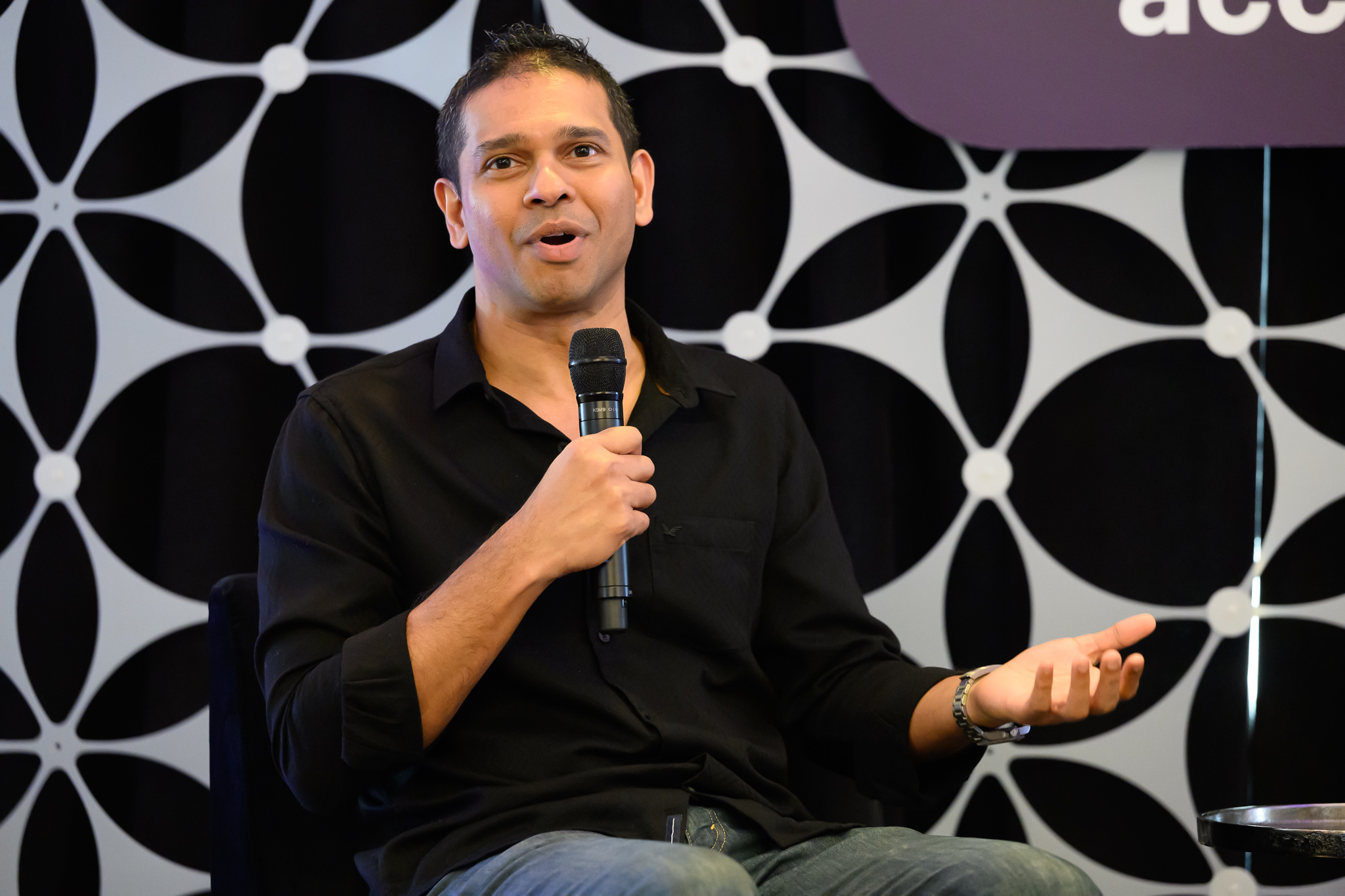
In the bustling world of tech innovations, where ideas zip across servers and screens faster than we can blink, Vijaye Raji found himself overwhelmed by the constant barrage of Slack messages cluttering his inbox. As OpenAI’s CTO of applications and a former CEO at Statsig, Raji was no stranger to productivity challenges, but this was next-level chaos. Instead of drowning in notifications, he decided to take matters into his own hands—or rather, his laptop’s. With just a few clever prompts into Codex, OpenAI’s powerful coding agent, he whipped up a custom tool that runs quietly on his machine. Every 15 minutes, it sifts through his emails, messages, and notifications, distilling them into concise summaries that let him stay on top without burning out. It’s a simple hack born from necessity, but it captures the essence of how AI is transforming our relationship with technology: no more waiting for teams of developers or expensive software; just prompt, build, and deploy—and move on to the next big thought.
This personal triumph for Raji isn’t just a quirky anecdote; it’s a glimpse into a revolution that’s reshaping software development as we know it. Imagine the days when building an app required coding boot camps, hefty budgets, and months of planning—now, thanks to AI agents like Codex, anyone with an idea can prototype it on the fly. Raji’s story, shared during GeekWire’s Agents of Transformation event in Seattle, highlights how barriers to creation are crumbling. He recounted how, in the past, when a fresh concept sparked in his mind, his first move was to rally a team, pitch the idea over coffee chats, and cross fingers that someone with the right skills would turn it into code. But now? He dives straight in, crafting prototypes himself. This shift isn’t niche; it’s empowering everyday people to become “builders” without needing a computer science degree. As Raji put it, we’re lowering the threshold for what it means to build—turning passive users into active creators who tinker, iterate, and innovate at will.
The ripple effects extend far beyond Raji’s solo ventures, painting a picture of a tech ecosystem that’s becoming more dynamic and inclusive. At OpenAI, this hands-on approach has become the new norm, weaving into the fabric of how teams operate. Picture a meeting room buzzing with energy: employees arrive, scribble a quick prompt on their laptops just before the session kicks off, leave the machine humming in the background, and by the end, they’ve generated a functional prototype ready for testing. Raji described this as a cultural evolution—a move away from hierarchical development toward instant experimentation. It’s not about perfection from the start; it’s about velocity and empowerment. This democratization means that ideas no longer get bottlenecked by resource constraints or approval queues. Instead, they’re nurtured through rapid, AI-assisted tinkering, where failures are just stepping stones to breakthroughs. In this landscape, the “do-it-yourself” ethos isn’t reserved for hobbyists; it’s the engine driving corporate innovation.
Shifting gears to the corporate giants, Microsoft’s Charles Lamanna echoed these sentiments with real-world examples that show how AI agents are overhauling internal workflows. As executive vice president of Business Applications & Agents, Lamanna spoke of a profound change in how teams communicate and collaborate. Gone are the days of static documents like spreadsheets and PowerPoint decks gathering dust on shared drives; in their place, lightweight, bespoke “mini web apps” that adapt in real-time. He shared a compelling case where a routine discussion on investment shifts and team restructuring—once a cumbersome affair involving endless revisions—sparked the creation of an interactive web app. This digital companion pulled live data straight from Microsoft’s employee directory and funding systems, allowing leaders to click through scenarios on the fly, visualizing impacts without manual toil.
Imagine the efficiency gains: instead of poring over outdated files or haggling over data accuracy, decision-makers explore options interactively, making informed choices almost instantly. Lamanna highlighted another transformation in preparing for customer meetings, where internal AI agents now automate the heavy lifting. They collate product telemetry, CRM data, and account notes—tasks that previously demanded hours of human grunt work—into tailored briefs that equip teams with insights before they even say hello. This isn’t just streamlining; it’s reimagining information sharing as a living, breathing dialogue between humans and machines. For Lamanna, it represents a broader shift, where agents amplify productivity by handling the drudgery, freeing up minds for strategic thinking.
Looking ahead, the potential of this AI-driven era feels almost limitless, inviting us to rethink our roles in a world of boundless possibilities. Raji aptly termed it “capability overhang”—the reality that today’s models can achieve far more than we’re currently leveraging them for. It’s a wake-up call: as the tools grow more sophisticated, we must evolve to match them. People across industries, from programmers to managers, need to adapt, learning to push AI agents to new heights and explore uncharted territories. Those who embrace this mindset—experimenting boldly, asking “what if” instead of “why not”—will find themselves exponentially more productive, tackling ambitious projects that once seemed out of reach. Yet, this empowerment comes with a gentle reminder: it’s not just about technology, but about human curiosity and adaptability. In embracing these changes, we’re not just building apps; we’re crafting a future where innovation is personal, immediate, and profoundly human. As Raji and Lamanna illustrate, the agents are here, but it’s up to us to wield them wisely, turning digital potential into real-world magic. Whether it’s summarizing emails or simulating business scenarios, AI is leveling the playing field, urging us to dream bigger and act faster than ever before. The story of Vijaye Raji’s Codex tool is just the beginning—a testament to how AI is not replacing creativity, but amplifying it, making software development an art form accessible to all. In this era of rapid progress, the true builders aren’t the coders in ivory towers, but the everyday dreamers who prompt, prototype, and persist. As we stand on the brink of this transformation, the question lingers: What will you build next?