


Microsoft and NASA Join Forces on AI-Driven Hydrology Copilot to Combat Extreme Weather Challenges
In a groundbreaking collaboration, Microsoft and NASA have unveiled Hydrology Copilot, an innovative AI platform designed to address the growing challenges of extreme weather events like flooding. As climate change intensifies weather patterns globally, this tool represents a significant advancement in making complex hydrological data accessible to those who need it most. Built upon the foundation established for NASA Earth Copilot, this new platform leverages cloud-based AI to navigate through petabytes of Earth science data, transforming how we understand and respond to water-related crises. The timing couldn’t be more relevant, as recent flooding in Western Washington—fueled by atmospheric rivers—demonstrates the urgent need for better predictive tools and emergency response capabilities in the face of increasingly unpredictable weather patterns.
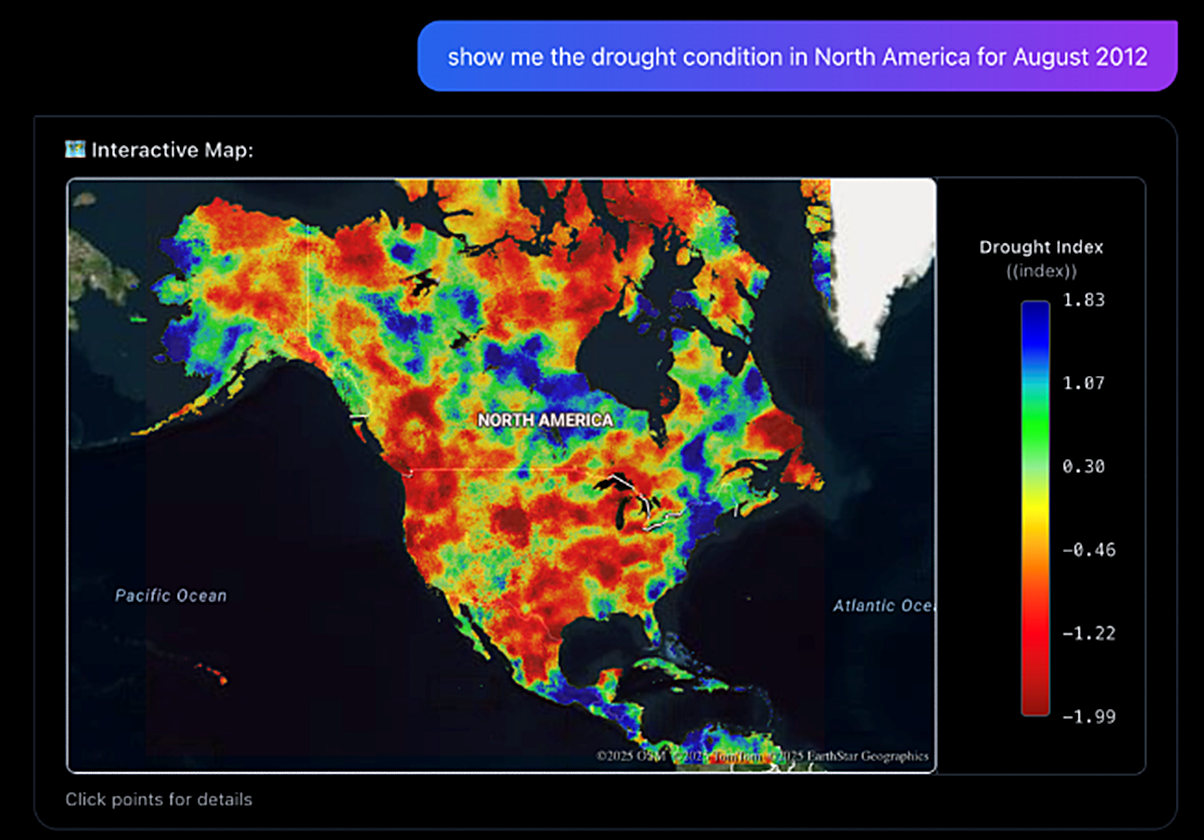
Hydrology—the scientific study of Earth’s water cycle—encompasses everything from precipitation and runoff to the movement of water through rivers, lakes, and soil. While this field has traditionally remained the domain of specialized scientists, Hydrology Copilot democratizes access to this critical information. The platform specifically simplifies access to NASA’s North American Land Data Assimilation System Version 3, an advanced dataset that combines satellite measurements with computer models to provide a continuously updated, high-resolution view of the water cycle across the continent. By integrating Microsoft’s Azure OpenAI Service and Microsoft Foundry technologies, the system allows users to query complex data using natural language questions such as “Which regions may be facing elevated flood risk?”—receiving interactive, color-coded maps and actionable insights in response.
The practical applications of Hydrology Copilot extend far beyond academic research. City planners can utilize the platform to develop more resilient urban infrastructure; emergency responders can anticipate flood events with greater accuracy; agricultural experts can optimize irrigation practices in the face of drought conditions; and water resource managers can make more informed decisions about conservation efforts. “NASA has long produced advanced hydrology and land-surface datasets, powering breakthroughs in drought early-warning systems, environmental planning and environmental research,” explains Juan Carlos López, a senior solution specialist at Microsoft focusing on space and AI. “Yet despite their value, these datasets and the specialized tools required to navigate and interpret them remain difficult to access for many who could benefit most.” Hydrology Copilot directly addresses this accessibility gap, potentially saving lives and resources through improved disaster preparedness.
The development of Hydrology Copilot reflects a broader trend toward applying artificial intelligence to environmental challenges. By making complex scientific data interpretable through conversational interfaces, Microsoft and NASA are effectively bridging the gap between advanced Earth science and practical application. This democratization of hydrological knowledge comes at a critical moment, as communities worldwide face increasing water-related stresses. A Microsoft spokesperson emphasized that “the goal of this project is to provide the tools that can enable local officials, city planners and emergency responders to more easily understand weather patterns and better prepare for the types of hydrological events we are seeing now in the Pacific Northwest and around the world, and will likely continue to see in the future.” This forward-looking approach acknowledges the reality that extreme weather events are becoming the new normal rather than exceptional occurrences.
The technological infrastructure supporting Hydrology Copilot represents a sophisticated blend of Earth observation systems, cloud computing, and artificial intelligence. By processing and analyzing vast quantities of data—from rainfall measurements to soil moisture levels, river heights to groundwater reserves—the platform can identify patterns and anomalies that might escape human analysts. This capability becomes particularly valuable during rapidly evolving emergency situations, when quick decisions can mean the difference between effective intervention and disaster. While traditional hydrological analysis might take days or weeks to process and interpret data from multiple sources, Hydrology Copilot can deliver insights in near real-time, allowing for more agile response to developing situations. The system also continues to learn and improve as it processes more data, potentially growing more accurate in its predictions and recommendations over time.
Currently, Hydrology Copilot remains in the development stage, primarily utilized by researchers as its capabilities continue to be refined and expanded. Those interested in exploring its potential can reach out to Microsoft’s Azure AI team for more information. For those seeking to access publicly available hydrological data right now, resources like King County’s Hydrologic Information Center and the interactive maps provided by the National Water Prediction Service offer valuable insights. As climate change continues to alter precipitation patterns and increase the frequency of extreme weather events, tools like Hydrology Copilot will likely become increasingly essential components of community planning and emergency response systems. The collaboration between NASA’s earth science expertise and Microsoft’s artificial intelligence capabilities demonstrates how cross-sector partnerships can address some of humanity’s most pressing challenges—creating more resilient communities in the face of our changing planet.