


Tech Leaders on the Move: Amazon Veteran Retires and Executives Make Strategic Shifts
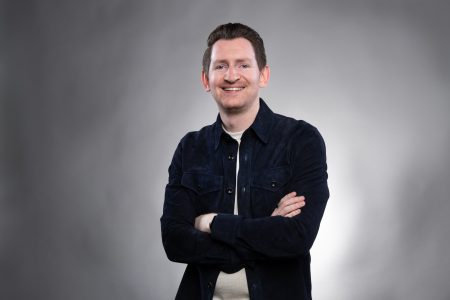
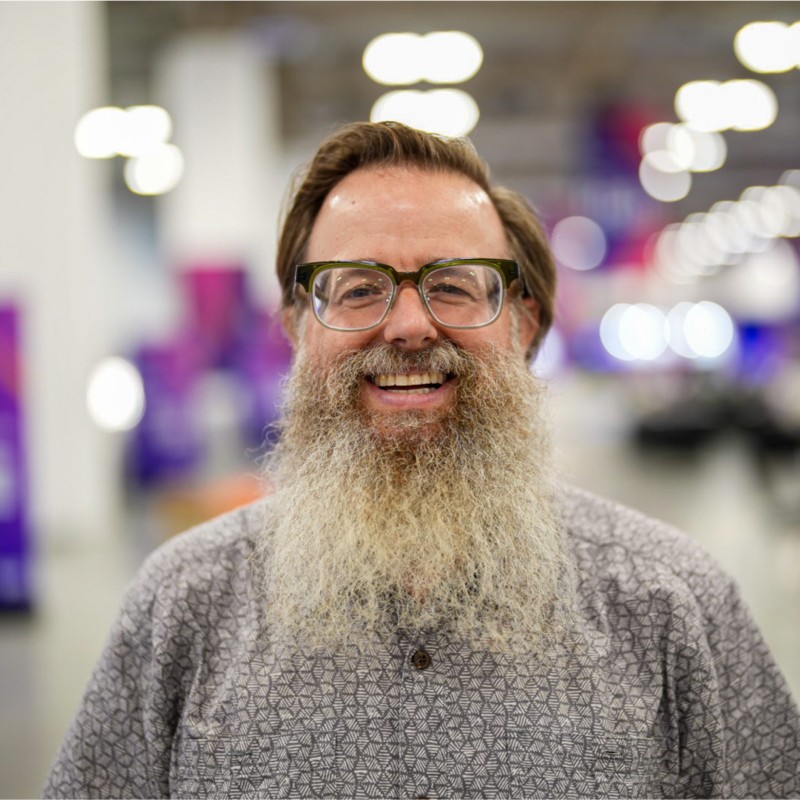
In a significant career transition, Mark Griffith, Amazon’s employee number 1,037 and a foundational figure in Fulfillment by Amazon (FBA), has announced his retirement after more than 20 years with the Seattle-based tech giant. As the third hire for what eventually became FBA, Griffith played a pivotal role in developing the service that now handles shipping, customer service, and returns for countless third-party businesses across Amazon’s marketplace. Throughout his tenure, he served as director of software engineering for both FBA and Amazon payments, concluding his career as director of seller fulfillment services. In a thoughtful reflection published on Substack, Griffith shared insights from his two-decade journey, offering both personal and professional wisdom. His parting perspective revealed a balanced approach to work: “I have given my ALL to Amazon for 8 hours+ a day for a long time – but I’ve never given it everything – that is too dangerous – I don’t live to work – I work to live.” His philosophy of working “empathetically and smart” while helping others exemplifies the human-centered leadership that has quietly shaped Amazon’s operational backbone during its tremendous growth period.
Meanwhile, the tech industry continues to see significant leadership movements, particularly in the cloud and infrastructure space. DigitalOcean has appointed Vinay Kumar as chief product and technology officer, bringing on board an experienced Seattle-based executive with over 11 years at Oracle, where he most recently served as senior vice president of cloud engineering. CEO Paddy Srinivasan emphasized Kumar’s extensive experience building cloud and AI platforms at scale, highlighting his “tremendous product strategy acumen” and understanding of the “operational rigor required for mission-critical workloads.” This appointment signals DigitalOcean’s ambitions to strengthen its position in the competitive infrastructure-as-a-service market, potentially leveraging Kumar’s expertise to enhance its offerings for developers and small to medium-sized businesses. The move represents another example of Seattle’s gravitational pull in the cloud computing sector, continuing to attract and nurture top talent in this critical technology domain.
In the RFID technology sector, Chris Hundley has joined Seattle-based Impinj as executive VP of enterprise solutions, bringing entrepreneurial and leadership experience to the wireless connectivity innovator. Hundley, who founded marketing automation startup Siftrock (later acquired by Drift in 2018) and previously served as CTO and president of AudioEye, expressed enthusiasm about Impinj’s market leadership in RAIN RFID technology. His background in accessibility technology and startup growth positions him well to help Impinj expand its enterprise applications across loss prevention, shipment verification, and asset management use cases. This appointment reflects the growing importance of RFID technology in creating more efficient, connected supply chains and retail operations—a technological area where Seattle continues to demonstrate innovation leadership through companies like Impinj.
The automation and renewable energy sectors are also seeing notable leadership transitions. Lindsay Bayne has departed Microsoft after more than a decade to become senior director of advocacy at UiPath, a New York-based automation company. Her move from Microsoft’s Growth Innovation and Strategy Team to UiPath highlights the increasing focus on automation technologies as companies seek to streamline operations and integrate AI into their workflows. Similarly, Christin Camacho has taken on the role of head of go-to-market for BuildQ, an AI platform focused on clean energy development and due diligence. After nearly seven years at Seattle-based LevelTen Energy, where she served as vice president of marketing, Camacho brings valuable experience in the renewable energy marketplace to BuildQ. Her commitment to accelerating clean energy projects aligns perfectly with BuildQ’s mission to use AI to expedite the development of wind, solar, and storage projects. In her new role, she’ll collaborate with BuildQ founder and CEO Maryssa Barron, further strengthening the connections between Seattle’s technology and clean energy ecosystems.
Seattle’s climate tech and AI innovation communities continue to evolve with several leadership changes. Lowell Bander, founding general manager of 9Zero, Seattle’s climate tech entrepreneurial hub, is transitioning to the role of ecosystem advisor as the organization searches for new leadership. Bander’s concurrent position as an advisor on Seattle Mayor Katie Wilson’s transportation and environment transition team underscores the growing intersection between technology leadership and civic climate initiatives in the region. Simultaneously, Nate Frazier has taken on the role of community liaison for the Oregon AI Accelerator, an organization dedicated to coordinating entrepreneurial groups, investors, and universities to foster AI innovation across the state. These shifts reflect the Pacific Northwest’s commitment to developing robust ecosystems for both climate technology and artificial intelligence, positioning the region as a leader in these crucial future-facing sectors.
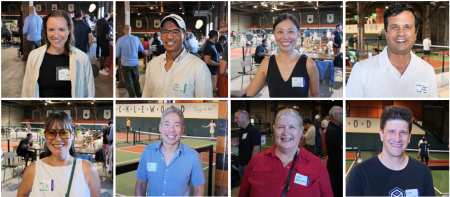
The scientific research community in Seattle is also experiencing significant development through the Seattle Hub for Synthetic Biology’s first cohort for its SeaBridge Fellowship. Backed by a substantial $10 million grant from the Washington Research Foundation, this research training program will provide eight postdoctoral scholars with two years of financial support plus additional funding for career development, mentorship, and networking. The inaugural cohort includes researchers working on groundbreaking projects across multiple institutions: Changho Chun (UW Department of Rehabilitation Medicine) researching potential ALS treatments; Ian Linde (Fred Hutch Cancer Center) studying breast cancer tumor development; Abigail Nagle (UW) investigating heart tissue communications; Stephanie Sansbury (UW Institute for Protein Design) researching engineered protein nanoparticles; Zachary Stevenson (UW) studying synthetic cellular circuits; Julie Trolle (UW) working on engineering improved cancer-fighting T cells; Arata Wakimoto (UW) investigating embryonic development related to congenital disorders; and Rachel Wellington (Fred Hutch) researching stem cell differentiation technologies. This significant investment in synthetic biology research further establishes Seattle as a hub for cutting-edge biotechnology innovation and highlights the region’s commitment to developing scientific talent that can address crucial health challenges.