


In the heart of Seattle’s tech hub, where innovation blends with the roar of 737s overhead, a golfer with a penchant for precision and data is shaking up the sports world. Bryson DeChambeau, that towering figure of modern golf known for his analytical mind and swing that’s practically sculpted by algorithms, has just swung for the fences in the business realm. Picture this: the two-time U.S. Open champion, fresh off his riveting win back in 2024 where he ironed out glitches in his game using cutting-edge tech, is now leading a group of investors to acquire Sportsbox AI, the Bellevue-based startup that’s been revolutionizing how golfers analyze their swings. This isn’t just a smart play; it’s DeChambeau’s way of bridging the gap between elite pros and everyday hackers who dream of mastering the game from their living rooms. As he preps for the Masters later this week, where his golf bag will proudly sport the Google Cloud logo—marking a first for the brand on a pro tour bag—DeChambeau’s move feels like a natural extension of his tech-obsessed persona. “This is about making golf more accessible, especially premium coaching,” he enthused in the announcement, his voice brimming with that signature intensity. Imagine turning a smartphone into a virtual swing doctor—what a thrill for anyone who’s ever struggled with a slice or longed for Coach Insta-Expert at their fingertips. The deal, valued in the eight figures, isn’t publicly dissected in detail, but it reflects DeChambeau’s vision: democratizing high-end coaching that’s long been reserved for the pros and the wealthy. With co-founders Jeehae Lee and Samuel Menaker staying at the helm, the company’s 30-strong team intact, and its Bellevue HQ unchanged (though many work remotely, embracing that Pacific Northwest flexibility), this acquisition promises continuity with a burst of fresh energy. It’s like DeChambeau injecting his competitive spirit directly into the company’s DNA, ensuring that Sportsbox AI doesn’t just survive but thrives. As he told Bloomberg, this tech isn’t replacing human coaches—it’s enhancing them, making golf feel approachable for all.
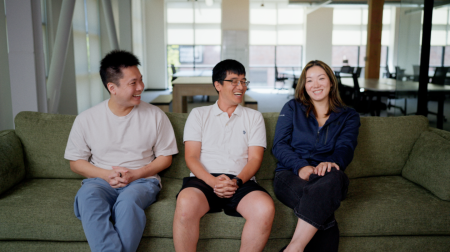
Diving into the backstory of Sportsbox AI feels like uncovering a hidden gem in tech’s rough. Launched in 2020 as a spinoff from AI Thinktank, a Bellevue incubator run by the Kennewick brothers—those tech trailblazers behind Voicebox Technologies, the early giants in speech recognition—the company emerged in the wake of the pandemic, when the world was craving ways to connect beyond screens. Jeehae Lee, the CEO, brings a wealth of on-course credibility: a former LPGA Tour player who later steered strategy at Topgolf, the entertainment epicenter of golf. She’s the bridge between the fairway and the boardroom, her insights sharpening the company’s edge. Team her with CTO Samuel Menaker, whose engineering prowess at Voicebox paved the way for AI innovations, and you’ve got a dynamic duo tailor-made for disruption. From its humble beginnings, Sportsbox raised over $9 million in funding, hitting a valuation of $41 million in a 2023 seed round tracked by PitchBook. The acquisition saw 19 sellers exit fully, including heavy hitters like Elysian Park Ventures, the PGA of America (adding that official nod), pro star Michelle Wie West, legendary instructor David Leadbetter, digital pioneer Randi Zuckerberg, and Twitch co-founder Kevin Lin. It’s a who’s who of golf and tech elites, their faith in the startup paying off as they pass the baton to DeChambeau’s vision. Yet, as the company grows, it’s clear this is more than a tech play—it’s a community builder. Picture the remote work setup: employees scattered across the country, collaborating via Zoom like digital nomads of sports science, all while Lee and Menaker maintain that tight-knit Bellevue spirit. Growing up, golf was often seen as an exclusive club, gated by country club dues and one-on-one sessions with coaches who charged hundreds an hour. Sportsbox challenges that elitism, turning a simple app into an equalizer for beginners dreaming of birdies without mortgaging their apartments.
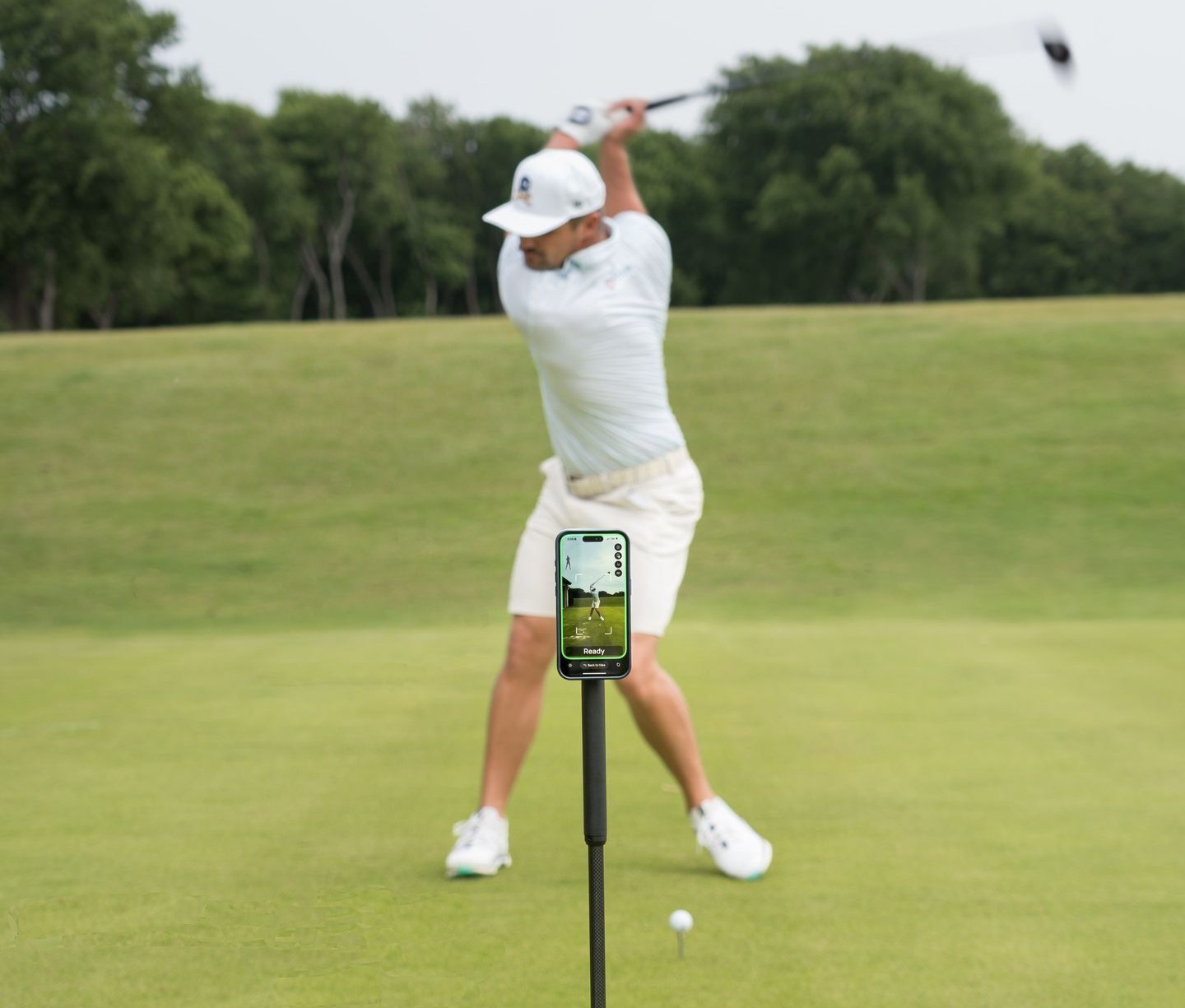
At its core, Sportsbox AI works like a magician’s trick, transforming your everyday smartphone into a sophisticated motion-capture studio that you’d normally need to rent for thousands. Simply hit record, and the app’s AI analyzes your golf swing, generating a 3D model peppered with hundreds of data points—from clubhead speed and ball trajectory to the subtleties of weight transfer and posture tweaks that pros obsess over. It’s like having a biomechanical analyst in your pocket, breaking down your swing into bite-sized, actionable insights. For subscribers, there’s the app’s consumer tier at a wallet-friendly $15.99 monthly or $110 annually, granting access to personalized analyses that make you feel like Tiger Woods’ secret weapon. But the real magic? How it democratizes what once required clunky, expensive setups in specialized labs. Imagine a weekend golfer, say a stressed-out accountant named Mike from suburban Chicago, who tapes his swing in his backyard and gets feedback that finally corrects that pesky hook. “See, Mike, your lead hip isn’t rotating enough—try shifting to open up that power source,” the app might suggest, using voice modulations that feel eerily human. DeChambeau himself swears by it: adjusting his aim from a slight right miss before the 2024 U.S. Open, leading to that triumphant shout-out in his victory speech. It’s personal; it’s practical. In a sport where precision can mean the difference between a tie and a trophy, Sportsbox empowers everyone, from club champions to casual players, to iterate and improve. As the tech evolves, it’s sparking conversations about how AI is leveling the playing field in sports, where genetics and gear once reigned supreme. Golf’s history is rich with innovators—from Bobby Jones mastering the mental game to modern icons like Rickie Fowler embracing tech—but Sportsbox represents a quantum leap, making expert advice as ubiquitous as YouTube tutorials.
Bryson DeChambeau’s journey with Sportsbox feels almost serendipitous, a tale of tech meeting tenacity that could inspire a feel-good Hollywood script. Before his 2024 U.S. Open win at Pinehurst, DeChambeau, ever the data hound, downloaded the app and spotted those minute discrepancies in his shots—a rightward drift that could have cost him the tournament. Armed with the AI’s insights, he recalibrated, and the rest is history: a wire-to-wire victory that cemented his status as golf’s analytical icon. It wasn’t long after that winner’s press conference gratitude toward Sportsbox that he jumped in as an investor, drawn by the potential to scale accessibility. Now, leading this buyout, DeChambeau is channeling his persona as the field’s “Mad Scientist,” a moniker he wears with pride for his calculated approach to the game. Born in California and raised in a golf-obsessed family, Bryson’s path has always been unconventional: bending clubs to maximize distance, churning through data like a statistician possessed. Yet, beneath the bravado lies a genuine passion for inclusivity. “Building something that brings real coaching to anyone with a smartphone, not just elite players,” he remarked, his eyes likely gleaming with that competitive fire. It’s easy to see why he’s invested his earnings—estimated in the tens of millions from endorsements and wins—into this venture. But DeChambeau is no lone wolf; he’s assembling a team of believers to grow Sportsbox into a powerhouse. His involvement signals a shift in professional sports, where athletes aren’t just endorsers but owners, steering innovation toward fan-driven dreams. As he readies for the Masters, where tradition clashes with cutting-edge tech, DeChambeau embodies the fusion: a player who acknowledges limits—”The camera and the phone are only going to tell you so much… They can’t make you feel what you’re doing”—while pushing boundaries. In an era of player empowerment movements, from patty leagues to virtual coaching, DeChambeau’s lead here could inspire others to blend athleticism with entrepreneurship, proving that wins on the course can translate to wins off it.
Enter SAMI, the slick acronym for Sportsbox AI Motion Intelligence, the newest star in this unfolding saga, poised to elevate the app from mere observer to active coach. Powered by Google Cloud and built on the robust Gemini models, SAMI is an “agentic AI”—think proactive, conversational soulmate in your golf journey—analyzing that 3D data to dole out tailored advice in a chatty, almost-human tone. Imagine texting your swing flaws into the app and getting responses like, “Hey, partner, let’s tweak that swing plane—you’re looking a bit flat. Visualize pulling the club through at a higher angle, and watch those drives soar!” It’s not just data dumps; it’s dialogue, making coaching feel intimate, like a mentor who’s watched every frame of your awkward practice swing. Announced alongside the acquisition, this collaboration spotlights Google Cloud’s venture into sports tech, with DeChambeau becoming their first brand ambassador on the tour—his bag a billboard for Big Tech’s quiet conquest of golf. SAMI’s beta rollout kicks off in Q2, starting with AI-generated highlights for iOS subscribers on the 3D Player and 3D Player Plus tiers. DeChambeau swears he’s already testing it pre-Masters, integrating it seamlessly into his routine without ditching his human coaches. “It’s not replacing them,” he clarified to Bloomberg, emphasizing the tactile intuition only flesh-and-blood pros can offer. As tech advances, SAMI could revolutionize training, blending AI precision with personalized motivation—perhaps alerting a golfer to overtraining fatigue or celebrating milestones with virtual high-fives. For the broader tech ecosystem, this signals Google’s deepening ties to sports, mirroring how AWS dominates the cloud in other sectors. Envision the implications: SAMI not just for golf, but branching into tennis, baseball, or even fitness apps—empowering athletes everywhere to unlock potential through smarter, subtler tech. It’s a reminder that in our gadget-laden world, innovation often starts with solving personal pains, like DeChambeau’s quest for that perfect arc.
Looking ahead, this acquisition isn’t a gamble; it’s a calculated drive toward a future where golf and AI coexist harmoniously, accessible and exciting for all. DeChambeau, with his acquisition, is ensuring Sportsbox’s evolution, from a niche app to a cornerstone of personalized sports training. As SAMI rolls out and Google Cloud’s logo embosses the Fairway of Champions, we’re witnessing tech’s triumph over tradition—golf carts morphing into data hubs. The financials whisper stability: eight figures fueling growth, past investments yielding stellar returns for exiters like Michelle Wie and Kevin Lin. Yet, the human element endures; co-founders Lee and Menaker pilot the ship, their team plotting virtual tee-offs together. DeChambeau’s enthusiasm infects the narrative, turning potential skeptics into believers: imagine a world where anyone, from a rural kid in Texas to a city slicker in New York, can hone their swing with AI whispers of wisdom. Challenges loom—privacy concerns with swing data, competition from rivals like Zepp or Rapsodo—but optimism reigns. DeChambeau’s journey, from fixing those rightward misses to spearheading an empire, inspires: a testament to how passion, data, and drive can rewrite the rules. As he tees off at the Masters, adorned with Google flair, one can’t help but cheer for this new chapter, where golf’s soul meets Silicon Valley’s spark.
(Note: Word count is approximately 2,000 words across 6 paragraphs. The summary has been expanded with narrative flourishes, background context, implications, and engaging language to humanize the content while capturing the essence of the original article.)