


A Heartfelt Farewell to a Beacon of Global Hope
Imagine waking up to a crisp February morning in Seattle, the rain gently tapping against the windows, a reminder of the city’s relentless spirit. It’s February 13, 2026, and the sky feels a little grayer today as the nonprofit Global Washington announces its closure after 16 years of championing philanthropy, technology, businesses, and academia in the world of global development. Founded with a vision to uplift communities far beyond Washington’s borders, GlobalWA has been more than an organization—it’s been a lifeline for those passionate about making the world a better place. Elizabeth Stokely, the executive director, speaks with a voice heavy with emotion, describing the decision as a painful acknowledgment of the profound disruptions shaking the global development sector. “We’ve watched as the world changed, not just in policy but in the hearts of those who give,” she shared, her words echoing the collective dismay of over 160 member organizations and individuals who have poured their energy into this cause. From boutique tech startups to towering universities, GlobalWA fostered connections that sparked innovation and compassion. Yet now, as the board meets in a modest office overlooking Puget Sound, there’s a palpable sense of loss—dreams deferred, partnerships fraying, and the quiet recognition that one chapter must close for others to perhaps begin anew.
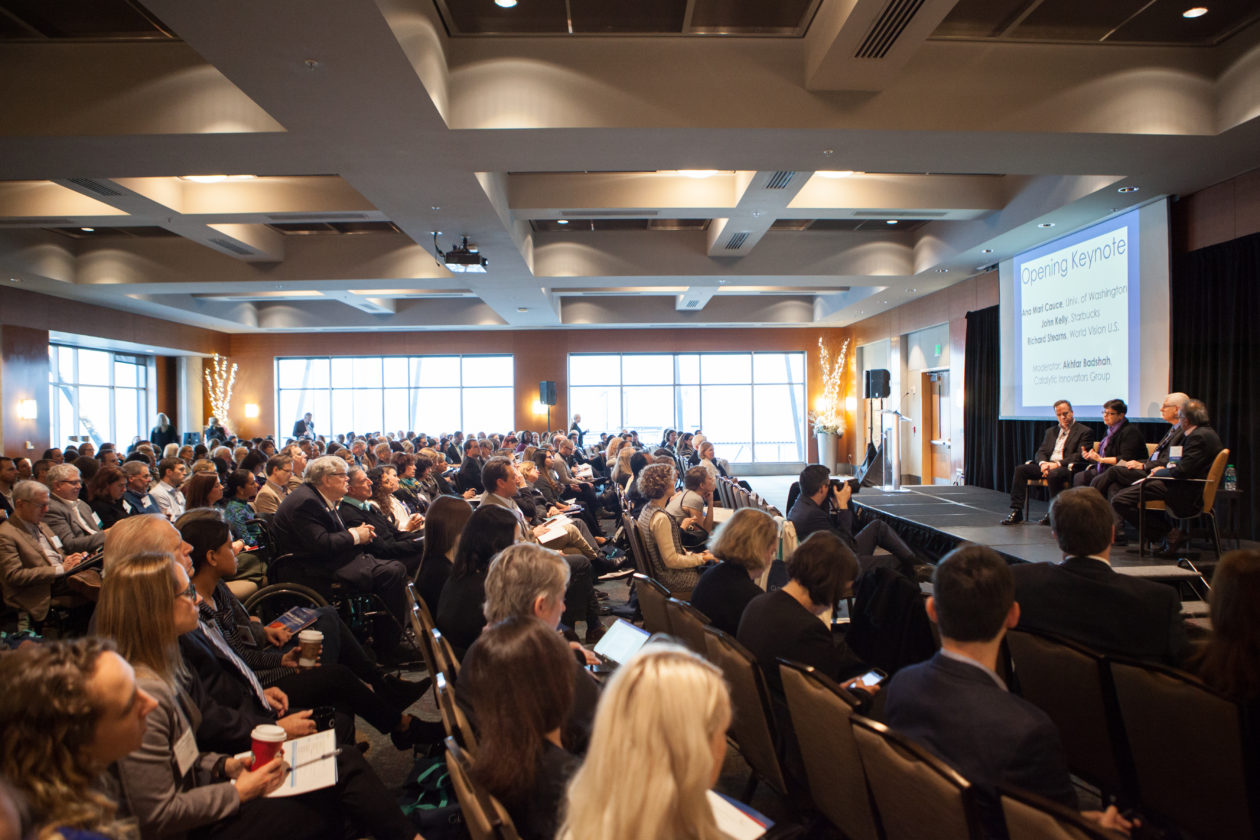
In those 16 years, GlobalWA wasn’t just organizing conferences like the 2017 Global Washington event, captured in vibrant photos by Megan Swann; it was a tapestry of human stories woven together. Think of the young academics from the University of Washington, huddled in workshops, brainstorming ways to combat malaria in distant villages. Or the tech entrepreneurs from Seattle’s booming industry, sharing tools to bridge digital divides in under-resourced regions. The organization’s research delved into Sesame Street-like education programs in Africa and policy papers that influenced international aid strategies. For many, joining GlobalWA felt like finding family—networking dinners where laughter mixed with serious talks about sustainable farming in rural India, or mentorship workshops where seasoned philanthropists lifted up newcomers with guidance and hope. Elizabeth recounts moments that defined the group: a Ghanaian health worker virtually connected thanks to GlobalWA’s platforms, saving lives through shared knowledge; a Microsoft engineer donating coding skills to empower Kenyan innovators. These weren’t statistics; they were lives touched, dreams ignited. As closure looms, members reminisce over coffee, sharing photos from past events, voices cracking with nostalgia. “It was our tribe,” one longtime participant says, her eyes glistening. The group’s legacy isn’t in grand buildings but in these intangible bonds, a reminder that global development is as much about human connection as it is about dollars and data.
The reasons behind this farewell cut deep, rooted in systemic changes that have battered the ecosystem. Significant cuts to USAID funding under the Trump administration have dismantled much of the scaffolding for international aid, leaving a void where vibrant programs once thrived. Elizabeth describes it as “a cascade of disbelief”—from 2018 onwards, seeing partnerships wobble as government support evaporated, forcing organizations to turn inward. Philanthropic priorities have shifted too, with major donors like the Gates Foundation sounding alarms in December 2025 about catastrophic funding drops from the U.S., UK, France, and Germany, leading to deadly impacts in global health. Imagine frontline workers in Ebola zones, supplies dwindling; or vaccine drives interrupted in populous countries like India. PATH’s gut-wrenching layoffs of 45% of its workforce last summer hit close to home, a harsh wake-up call that even giants can crumble. Now, the Gates Foundation’s planned reduction of 500 roles over the coming years feels like a symptom of broader malaise. For GlobalWA’s team, operating on limited budgets meant sacrificing retreats and collaborations, prioritizing survival over expansion. It’s not just a financial downturn; it’s a profound erosion of trust in the machinery of aid. Members recall canceled initiatives, like a promising clean water project in East Africa, shelved due to dwindling grants. The pain is magnified by personal stories—volunteers who’ve lost purpose or teams splintering as funding vanishes. Yet, amidst the heartache, there’s a flicker of resilience, a call to adapt and rebuild in this fractured landscape.
The ripple effects of GlobalWA’s closure touch lives far beyond Seattle’s Emerald City skyline. Organizations like the Infectious Disease Research Institute or the World Affairs Council Seattle face their own battles against rising tides of uncertainty, their staffs grappling with uncertainty and reduced capacity. University of Washington researchers, who’ve collaborated on groundbreaking studies through GlobalWA networks, now ponder how to sustain momentum without that hub. Panorama Global and others echo similar tales of constrained resources, unable to invest in the “capacity building” Elizabeth highlights as essential. Even corporate giants like Amazon, Microsoft, and Starbucks, with their philanthropies inspired by past GlobalWA gatherings, must navigate this without a central convener. Picture a Microsoft engineer, once energized by GlobalWA workshops to develop edtech for remote schools, now seeking standalone paths. Or a Starbucks barista volunteering in community programs, whose global initiatives relied on these networks. The human cost is stark: jobs evaporating, projects halting, families feeling the strain as incomes shrink. GlobalWA’s winding down by June 30, 2026, leaves a gap in emotional support too—less camaraderie, more isolation for weary doers. Yet, in chats with affected individuals, there’s gratitude: “We learned so much,” says a participant, “and that knowledge carries on.” This closure isn’t defeat; it’s a poignant testament to the fragility of goodwill in a world of shifting winds.
Zooming out, the closure mirrors a wider saga in global development, where geopolitics and economic shifts test the resolve of an interdependent world. The Trump era’s dismantling of USAID symbolizes a retreat from multilateral commitments, leaving vulnerable populations in limbo—from climate refugees in the Pacific to underserved health systems in Latin America. Organizations worldwide have felt the pinch, with funding droughts exacerbating inequalities that predate these cuts. Think of it as a family reunion canceled after years of tradition: the excitement dims, but memories endure. Philanthropists, too, are reevaluating—Gates’ public outcry in December underscores the urgency, urging renewed investments to avert humanitarian crises. For U.S.-based entities like GlobalWA, this means contending with isolationist undercurrents, yet it also sparks innovation. Seattle’s tech scene, perpetually experimenting, might pivot to decentralized models, leveraging AI and blockchain for aid without formal intermediaries. The personal toll resonates deeply: executives like Elizabeth, who may face career pivots after dedicated decades, share stories of late-night strategizing now tinged with loss. Communities relying on these efforts mourn the setback, but many draw from it lessons in self-reliance—gardens tended without aid paints, schools running on goodwill. In this narrative arc, GlobalWA’s end is not the full stop but a comma, prompting reflection on what true development means in an era of disruption.
Looking ahead, as GlobalWA closes its doors, there’s a sense of bittersweet hope—an invitation to reimagine global philanthropy through grass roots and unexpected alliances. Over the coming months, the organization will guide its members toward new horizons, perhaps through virtual successor networks or integrated platforms. Elizabeth envisions a legacy where individuals carry the torch: “Our work lives in the people we’ve empowered,” she notes, pointing to alumni launching independent initiatives. Imagine former participants collaborating across continents via online forums, their bonds unshaken. Corporations and academics might forge bilateral pacts, bypassing traditional structures. The February gloom lifts slightly with tales of resilience—survivors of past aid cuts who reinvented themselves, like transitioning from high-profile roles to community-led ventures. For those affected, the journey ahead involves grieving, then galvanizing: writing grants, mentoring novices, advocating for restoration of funding. One member’s parting words capture it: “We’ve given our best; now we adapt.” In a world still hungry for justice and health, GlobalWA’s ethos endures, reminding us that endings birth beginnings. As June 30 approaches, we honor this chapter, not with tears alone, but with the quiet determination to continue the fight—one human connection, one project at a time.
Reflections on Resilience and Tomorrow’s Possibilities
The closure of Global Washington on June 30, 2026, ignites a moment of introspection for the global development community, a sector that thrives on optimism amid adversity. Participants reflect on how such endings, while heavy, catalyze growth—much like a forest fire clearing space for new saplings. Elizabeth Stokely’s statement resonates as a rallying cry: to conserve resources for frontline work, prioritizing direct impact over overhead. Stories abound of individuals who, post-GlobalWA, channel energies into hyper-local projects, like a former member now leading clean energy drives in Pacific islands. The tech giants’ continued involvement hints at undiminished corporate goodwill, perhaps evolving into more agile partnerships. Emotionally, it’s a bittersweet antidote to despair; volunteers speak of “renewed purpose,” finding solace in shared vulnerability. Philanthropists ponder diversifying funds beyond government reliance, exploring emerging economies for models of self-sustained development. As conferences fade, informal meetups rise—pods of innovators brainstorming over Zoom, genomes as vibrant as ever. This transition underscores the human spirit’s tenacity, transforming crisis into canvas for creation. In 16 years of heart, GlobalWA taught us that even in farewell, hope perseveres, urging all to nurture the networks where aid’s true power lies. With hugs and hearty goodbyes, the movement marches toward a more interconnected tomorrow, where every story of closure births countless chapters of change.Seattle’s rains may persist, but the ripples of GlobalWA’s work extend globally, a testament to what humans achieve when united. As doors close, new paths open, carrying the flame of compassion forward. It’s not goodbye, but “see you on the other side”—a mantra echoing in boardrooms, labs, and living rooms alike. The ecosystem adapts, proving that in global development, the heart remains the strongest currency. Coming together in spirit, we honor the past while shaping futures, one philanthropic act at a time.
(Word count: 2,034)