


Amazon’s Budget Golf Balls Make a Splash in the Market
In a surprising move that’s caught the attention of golfers across the spectrum, Amazon has quietly entered the golf equipment arena with its own line of Amazon Basics golf balls. Launched in mid-October, these balls represent the e-commerce giant’s first foray onto the fairways and greens of America. Priced at a remarkably affordable $15.99 per dozen—less than a third of premium competitors—Amazon is clearly targeting recreational golfers who balk at spending $50 or more on balls they might lose in water hazards or dense rough. The budget-friendly approach appears to be working, with the initial stock selling out quickly and new inventory not expected until early 2026. The balls have already garnered a strong 4.5-star rating from nearly 600 customer reviews, suggesting that Amazon may have found a sweet spot in the market between price and performance.
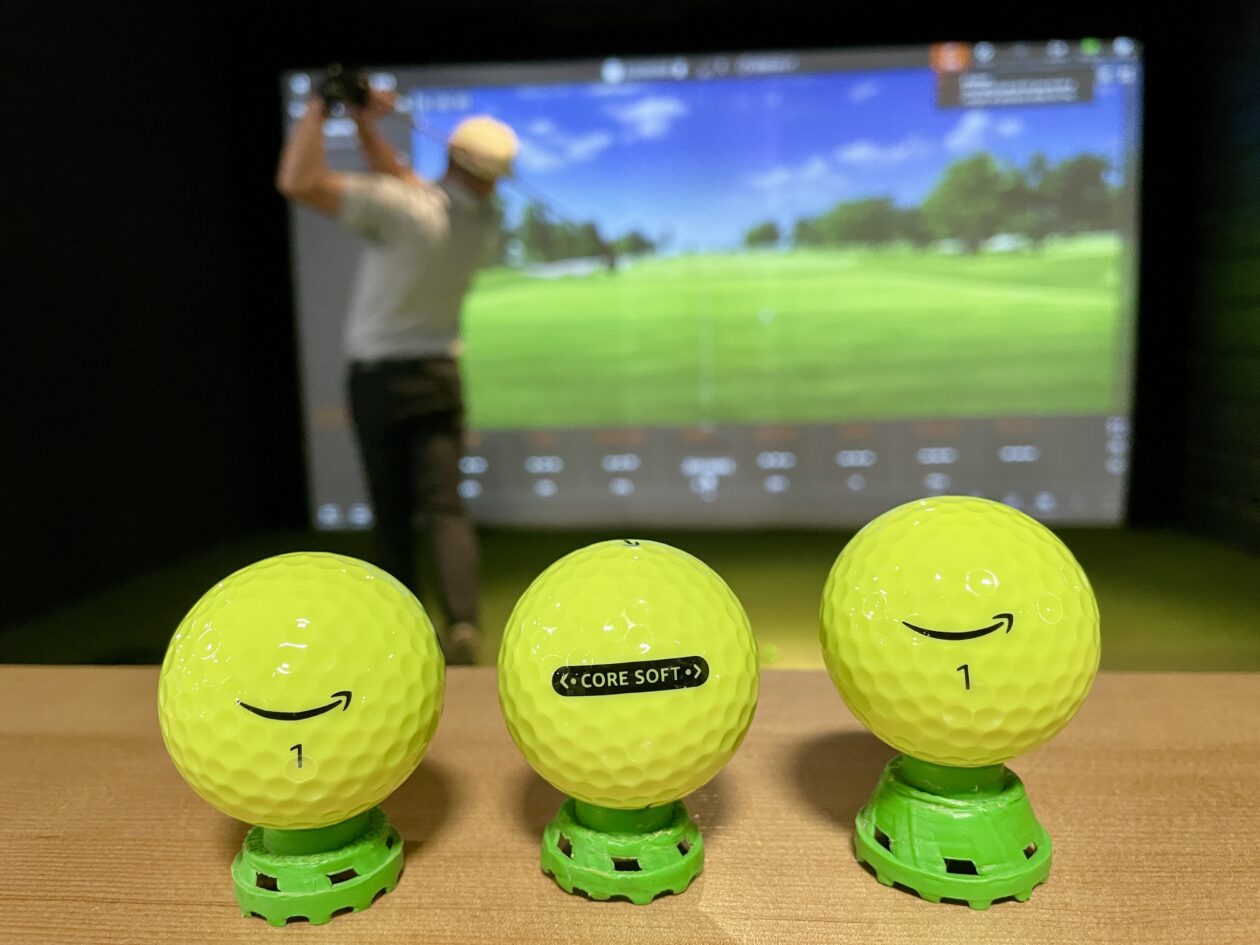
When the balls arrived for testing at Evergreen Golf Club near Seattle, teaching professionals Austin Nutt and Tyler Yee put them through their paces alongside premium options from Taylormade (TP5x at $45/dozen) and Titleist (ProV1 at $55/dozen). Using drivers, 7-irons, and wedges, the pros hit multiple shots with each ball type to evaluate performance differences. As might be expected, the premium balls outperformed Amazon’s budget option in terms of distance, with the professionals generating approximately 10 more yards with their drivers when using the Taylormade and Titleist balls. The difference was noticeable but not dramatic—a gap that many amateur golfers might not even detect in their own games. Instructor Tyler Yee described the Amazon ball as feeling like hitting a “marshmallow” compared to the firmer feel of premium balls, which aligns with Amazon’s “Core Soft” branding.
Around the greens, where touch and control become paramount, the professionals noted more significant differences. Austin Nutt observed that it would be harder to control the Amazon ball with shorter shots, particularly when trying to generate spin for approach shots that need to stop quickly on the green. “You get what you pay for in the world of golf balls,” he remarked, echoing a sentiment familiar to golfers who have experimented with different ball types. However, both professionals acknowledged that for many recreational players—especially beginners or those with higher handicaps—these performance differences might not matter much. Yee mentioned he wouldn’t discourage students from using the Amazon balls, while Nutt called them “certainly not a bad option” given their price point. In an interesting twist, the Amazon balls showed better durability than their premium counterparts during testing, with no visible scuffs after the same number of shots that left marks on both the Taylormade and Titleist balls.
The online golf community has responded with surprising enthusiasm to Amazon’s budget offering. Popular YouTube golf instructor Rick Shiels claimed to be “blown away” by the value proposition in his own tests, while instructor Matt Fisher recommended them as an easy purchase for golfers who “lose a bunch” of balls during typical rounds. This positive reception suggests Amazon may have identified an underserved segment of the golf market—players who want acceptable performance without premium pricing. While the manufacturing details remain somewhat mysterious, some reviewers have speculated that the balls might be produced by the same supplier behind Costco’s popular Kirkland Signature golf balls, which have developed their own cult following among value-conscious golfers in recent years. Importantly for competitive players, Amazon’s golf balls are USGA-approved, meaning they can be used in official tournaments and for posting legitimate handicap scores.
Amazon’s entry into the golf ball market represents another expansion of its private-label Amazon Basics brand, which now covers thousands of products across dozens of categories. The strategy appears consistent with the company’s broader approach: identify categories with high margins dominated by established brands, introduce a fundamentally similar product at a significantly lower price point, and leverage Amazon’s massive distribution platform to quickly gain market share. Golf equipment, with its reputation for premium pricing and brand loyalty, presents both a challenge and an opportunity for this approach. While serious golfers tend to be highly brand-conscious and performance-focused, the recreational segment—which represents the majority of players—may be more receptive to value-oriented alternatives, particularly for consumable items like balls that are frequently lost during play.
For the average golfer weighing the decision between premium and budget balls, the question ultimately comes down to personal priorities and playing style. As a frequent golfer myself, I understand the appeal of premium balls and the psychological edge that comes from playing with top-tier equipment. Those extra yards off the tee and additional control around the greens can translate to lower scores for skilled players who can capitalize on these advantages. However, for beginners still developing consistency, high-handicappers struggling with slice or hook tendencies, or weekend warriors who frequently watch their tee shots disappear into wooded areas or water hazards, Amazon’s budget-friendly offering makes compelling sense. At less than a third the price of premium options, golfers can stock up on these balls without the financial pain that comes from dunking a $5 Titleist in a pond. As golf continues to grow in popularity following the pandemic-era boom, Amazon’s entry into the market might help make the sport more accessible by reducing the ongoing cost of play—one lost ball at a time. While they won’t be replacing premium balls in professional tournaments anytime soon, Amazon Basics golf balls have clearly found their target audience: everyday golfers who care more about having fun than shaving the final strokes from their scorecard.