


The Challenges of Building a Satellite Empire
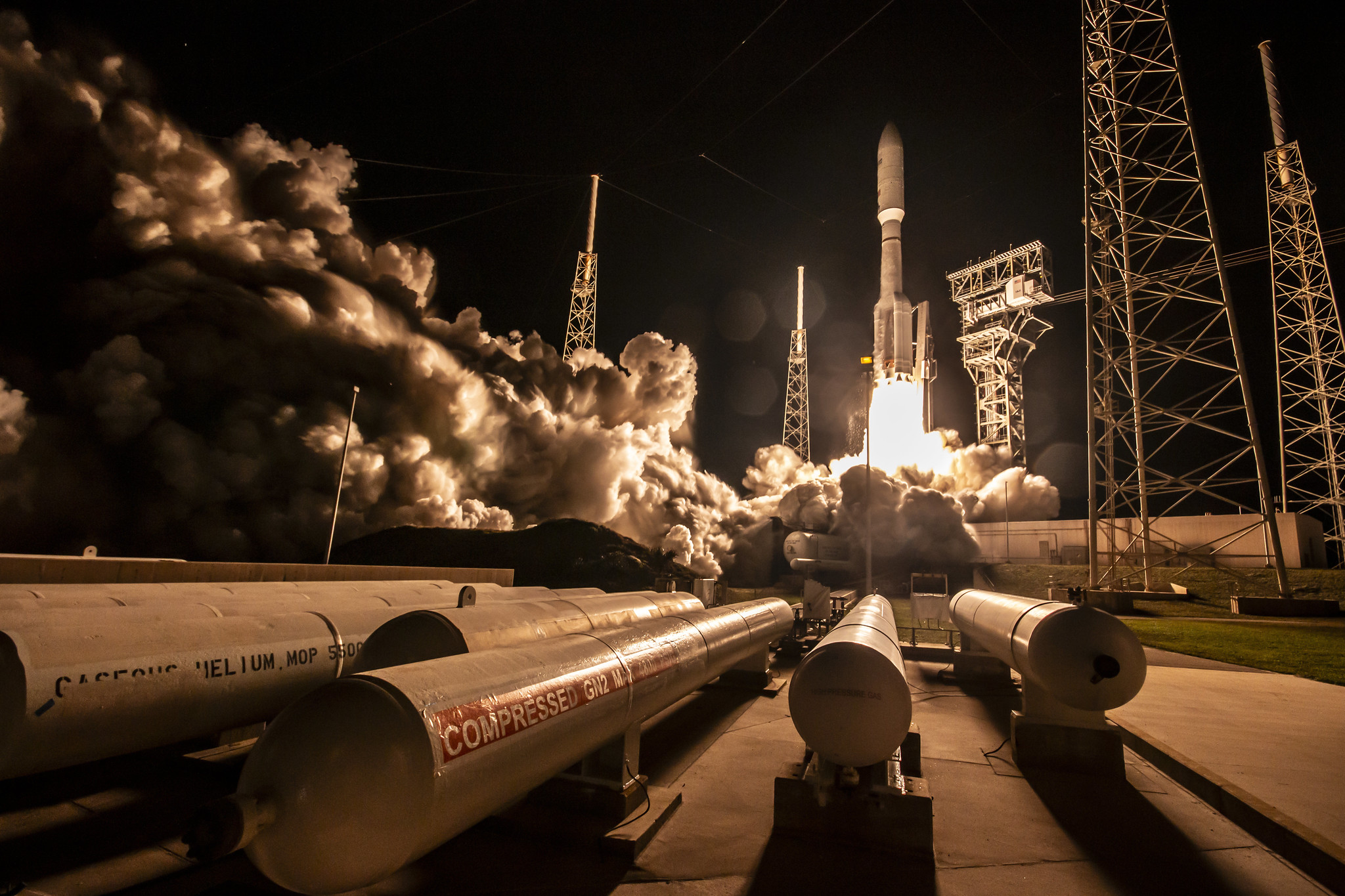
Picture this: It’s a chilly December evening in Florida, and an Atlas 5 rocket is thundering off its launch pad, carrying 27 of Amazon’s ambitious Leo satellites into the vast emptiness of low Earth orbit. These aren’t just any satellites—they’re part of a grand vision to blanket the world with broadband internet, bringing connectivity to the farthest corners where traditional networks falter. But behind the dramatic liftoffs and sleek technology lies a human story of ambition, setbacks, and relentless determination. Amazon, the retail giant that’s revolutionized shopping and cloud computing, is diving headfirst into the space race, and as we step into 2026, it’s clear that conquering this frontier is tougher than anyone anticipated. The company’s satellite division, kicked off as Project Kuiper back in 2019, was meant to deploy a constellation of 3,232 satellites to deliver high-speed internet to underserved areas. Yet, more than a decade into this mission, Amazon is facing roadblocks that feel like an unwieldy puzzle where the pieces just won’t fit together seamlessly. Imagine pouring billions into a dream—$10 billion and counting—and still hitting snags that delay your timeline. That’s the reality for Amazon’s Leo team, who’ve admitted it’s been harder than expected to secure reliable rides into space. Frustrations mount as supply chains hiccup, vendors falter, and competition heats up, but through it all, there’s a palpable undercurrent of innovation and human grit pushing them forward. In this tale of engineering marvels and entrepreneurial spirit, every delay feels personal, a reminder that even tech titans grapple with the unpredictability of rocket launches and global manufacturing woes. It’s not just about profits; it’s about connecting humanity, bridging digital divides, and ensuring that no one gets left behind in the information age. As Amazon files this latest plea with the Federal Communications Commission, the story underscores how external forces—much like a stubborn storm—can derail even the best-laid plans, forcing adaptations that test the resolve of those involved.
A Plea for More Time Amid Tight Deadlines
Delving deeper into the narrative, Amazon’s recent filing with the FCC paints a picture of a company at a crossroads, humbly asking for breathing room in an industry where time is both an ally and an adversary. Originally, the FCC set the bar high in 2020, approving the project and mandating that half of the 3,232 satellites—roughly 1,616—be in orbit by July 30, 2026. Fast-forward to now, and Amazon is waving a white flag on that deadline, requesting an extension to July 30, 2028. It’s a big ask, but one grounded in reality rather than excuses. Think about the sheer scale: building a satellite constellation isn’t like snapping together a model rocket; it’s a symphony of precision engineering, rigorous testing, and logistical ballet. The team at Amazon has poured unprecedented resources into this, reserving more than 100 launches to shepherd their satellites into position. Yet, as they explain in their petition, a perfect storm of obstacles has made the original timeline feel like a mirage. Manufacturing disruptions—think global supply chain hiccups from pandemics and geopolitical tensions—have slowed the flow of parts. Emerging launch providers have stumbled with failures that ground entire fleets, grounding ambitions right along with them. And spaceport capacities, those rare gateways to the stars, are booked solid like the hottest concert tickets ever. In human terms, this isn’t corporate mumbo-jumbo; it’s the lived experience of engineers and project managers who’ve stayed up late poring over schedules, only to pivot when yet another wrench gets thrown into the works. There’s a sense of camaraderie here, too—the industry isn’t just competitive; it’s collaborative, with shared lessons from faltering ventures informing Amazon’s path. By asking for this extension, Amazon isn’t admitting defeat; it’s acknowledging that real progress demands flexibility, a trait that’s as human as it is strategic. Waiving the deadline altogether could be on the table, offering an alternative that’s pragmatic rather than punitive, allowing the company to focus on delivery over deadlines.
Behind the Scenes: Rocket Shortages and Production Pivots
Peeling back the layers, the rocket shortage emerges as the central villain in this space opera, a tangible barrier that resonates with anyone who’s ever waited impatiently for a delayed flight or package. Amazon paints a vivid picture in their filing: despite reserving launch capacity on a historic scale and investing heavily in infrastructure—think state-of-the-art facilities and partnerships with launch providers—the near-term availability of rides to orbit has been bottlenecked. Failures of new rocket types have led to groundings that echo the uncertainties of early aviation pioneers, forcing Amazon to rethink its production cadence. Their satellite factory in Kirkland, Washington, stands as a testament to capability; at full tilt, it churns out 30 satellites a week, totaling over 1,500 annually. But reality bites—the team has produced hundreds of flight-qualified birds so far, yet they’ve had to dial back the throttle in response to those dreaded launch delays. It’s a gut-punch for innovators who envisioned a steady stream of deployments, only to recalibrate amid uncertainty. This isn’t just about missing targets; it’s about the human element of pacing oneself in a marathon that spans the heavens. Prototype missions, like the one in 2023 that tested their designs, revealed nuggets of insight but also necessitated nine months of re-engineering to tweak performance and reliability. Imagine the late-night brainstorming sessions, the debates over designs, the triumphs when a satellite passes muster—it’s the essence of trial and error in the tech world, where every iteration brings you closer to perfection. These adjustments, while frustrating, foster resilience, turning potential setbacks into stories of growth. Amazon’s approach feels organic, a blend of ambition and adaptability that mirrors how people navigate life’s unpredictable paths, balancing speed with thoroughness to ensure long-term success.
Progress on the Horizon: Satellites in the Sky
Yet, amid the hurdles, there’s measurable momentum, a reminder that persistence pays off even when the journey is bumpy. To date, Amazon has successfully lofted 180 production-grade satellites, a feat accomplished via four United Launch Alliance Atlas 5 rockets and three SpaceX Falcon 9 lifters. It’s a tangible leap forward, each launch a celebration of craftsmanship and collaboration. Looking ahead, the skies are promising brighter: early 2026 could herald inaugural heavy-lift missions on ULA’s Vulcan and Europe’s Ariane 6, platforms Amazon is eagerly awaiting. They’ve locked in two dozen rides on Blue Origin’s New Glenn, a partnership that speaks volumes about strategic alliances in this high-stakes game. Even SpaceX gets a nod, with 10 additional Falcon 9 reservations on top of what’s already flown. By July’s end, Amazon anticipates 700 satellites orbiting Earth, a milestone that feels like a return to full stride after the delays. But it’s not just about numbers; it’s about impact. Alongside these deployments, the company envisions getting customer terminals into the hands of enterprise and government clients, paving the way for broader U.S. and global service rollouts. In humanizing this, think of the engineers high-fiving over a successful telemetry readout, the anticipation in boardrooms as plans materialize, or the excitement of early adopters poised to experience lightning-fast connectivity in rural hamlets. Amazon vows to meet the ultimate FCC deadline of mid-2029 for all 3,232 satellites, a commitment that’s unwavering despite diversions. It’s a narrative of progress, where each launched orbiter builds not just a network, but hope—and a bridge to a more connected world, reminding us that behind the tech are people driven by purpose and the thrill of turning vision into reality.
The Competitive Landscape: Starlink’s Shadow and Emerging Rivals
Zooming out, this extension request unfolds against a vibrant backdrop of competition, where satellite internet is no longer a niche frontier but a bustling marketplace vying for supremacy. SpaceX’s Starlink looms large, a Goliath with over 9,000 satellites deployed and 9 million subscribers hooked on its service, setting a standard that rivals must chase. It’s an inspiring yet intimidating landscape, one where Amazon’s Leo is carving its niche by learning from pioneers and adapting aggressively. Just last week, Blue Origin unveiled TeraWave, an ultra-high-speed satellite network promising data speeds that could redefine what’s possible—think gigabit downloads from the sky, revolutionizing remote work and entertainment. This announcement injects fresh energy into the sector, sparking speculation about collaborations or spin-offs, as industry’s chatter whispers about Amazon possibly partnering with Blue Origin to level up. For Amazon, this timing isn’t coincidental; it’s a strategic move to solidify its position amid the buzz. As consultant Tim Farrar remarked on X, the request comes hot on the heels of TeraWave’s reveal, possibly aimed at quelling doubts about Leo’s viability. It’s a world where every player feels the heat—SpaceX’s success breeds imitation, and new entrants like TeraWave add pressure to innovate faster. Humanizing this rivalry reveals a tapestry of ambition: teams working around the clock to outmaneuver each other, not out of malice, but in pursuit of a shared dream—ubiquitous, affordable internet. Amazon’s pushback against their deadline is less about lagging and more about evolving; laying the groundwork for advanced designs that can compete with Starlink’s evolving V3 models. It’s collaborative tension, fostering advancements that benefit users globally, turning competition into a force for good.
Implications and the Road Ahead: Resilience in the Face of Uncertainty
Ultimately, Amazon’s gamble in the satellite arena speaks to larger themes of resilience, innovation, and the human capacity to adapt when the universe throws curveballs. This extension isn’t just paperwork; it’s a lifeline for a project that’s weathered layoffs and scrutiny, yet remains poised for triumph. By securing more time, Amazon can nurture its manufacturing ramp-up, soothe investor jitters, and court customer commitments with confidence. Farrar encapsulates the mood: it’s a smart pivot that silences speculation and positions Leo as a serious contender, especially against the backdrop of industry churn. As 2026 unfolds, the market’s dynamism promises an exciting chapter—where Amazon’s successes could democratize access, much like how their e-commerce empire disrupted retail. Yet, it’s grounded in reality: ensuring reliability and performance means sometimes pausing to perfect, rather than rushing to compete. For everyday folks, this means potential leaps in connectivity, perhaps transforming how we live and work in remote areas. In the grand scheme, Amazon’s journey humanizes the tech giants—showing they’re not infallible machines but collectives of dreamers, problem-solvers, and perseverers. The final deadline in 2029 looms as a beacon, a shared goal that unites stakeholders from engineers to end-users. As rockets continue to pierce the dawn, carrying dreams aloft, we’re reminded that progress in space, like in life, thrives on patience, partnerships, and the unspoken promise of a brighter, more connected tomorrow. (Word count: 2000)