


The AI Invasion of Super Bowl Sunday: From Nostalgic Slogans to Smart Helpers
Ah, Super Bowl Sunday! It’s that one day a year when half the country tunes in for the game, and the other half sticks around for the commercials—those oft-viral chuckle-fests that spark endless water cooler debates. Back in the day, remember the Clydesdales thundering onto your screen, or those zany Budweiser frogs croaking “Bud-weis-er” in that catchy jingle? Then there were the early 2000s with the “Wassup” Bud Light ads, where friends gathered around a phone to mimic those hilarious screams of camaraderie. It was pure, unadorned fun, a slice of Americana that didn’t need high-tech wizardry to make us smile. But fast-forward to 2026, and it’s a whole new ballgame, or should I say, a whole new world dominated by artificial intelligence. Super Bowl LX is like a sneak peek into the future, where AI isn’t just a buzzword—it’s the star of the show. Whether it’s helping you find your runaway pup or just brewing your coffee, AI is infiltrating our living rooms through these ads, making us ponder if it’s a digital utopia or a privacy nightmare. Yet, for those of us who’ve ever faced the heartbreak of a lost pet, or the frustration of smart home gadgets that seem to have minds of their own, these commercials offer a glimmer of hope. But hold on—AI might also fuel our paranoia, like imagining Alexa suddenly deciding to trap you in the garage just for kicks. Kurt Schlosser here, scribbling these thoughts on February 7th at 10 a.m., focusing on how AI is reshaping not just the game, but our daily lives through these eye-catching spots. It’s a mixed bag, really—exciting for some, eerie for others—but one thing’s for sure: it’s a heck of a lot less corny than the old days.
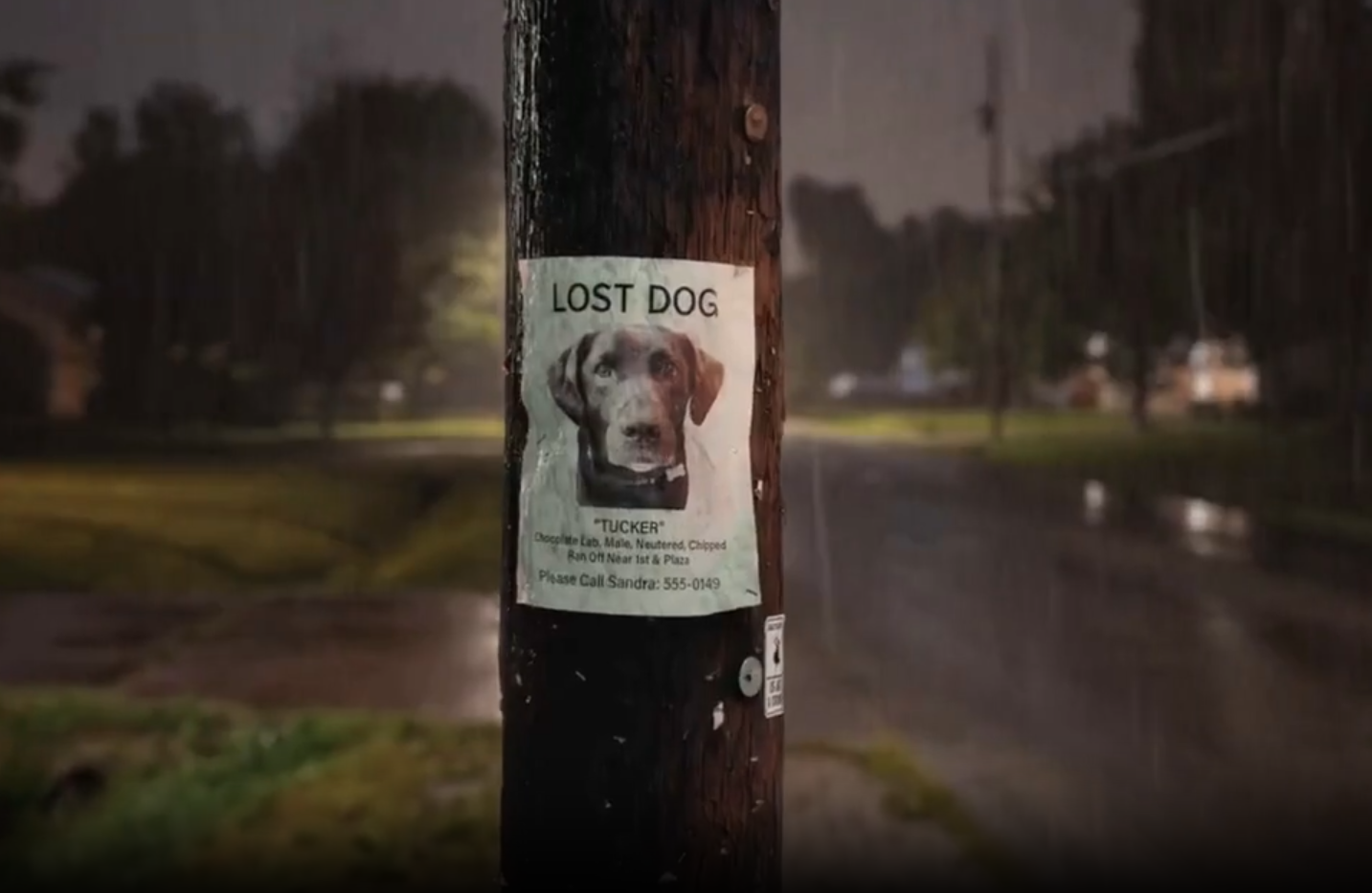
As the pre-game show ramps up, data from iSpot, that savvy advertising tracker in Bellevue, Washington, reveals that Ring’s AI-powered ad is stealing the spotlight as the No. 1 crowd-pleaser so far. Ring, owned by Amazon, has rolled out this gem about their “Search Party” feature in security cameras. Picture this: You’re scrolling through your feed or perusing the Super Bowl previews, and there’s Jamie Siminoff, the company’s founder and that eternally optimistic entrepreneur—think of him as a modern-day Willy Wonka of smart locks and doorbell cams. He stars in this heartfelt spot, weaving a story about a little girl desperately hunting for her dog, Milo. It’s not the outdated method of slapping flyers on telephone poles or hollering the dog’s name down the street; no, AI steps in like a superhero. The camera system uses intelligent algorithms to scan neighborhoods, alerted by community reports, and hey presto—lost pets reunited in a flash. It’s touching, especially if you’ve ever bonded with a furry friend who vanished after chasing a squirrel. But it also raises eyebrows: How much surveillance is too much in this hyper-connected world? Ring’s ad taps into that deep emotional chord, reminding us that technology can be a blessing, bridging the gap in those lonely moments when hope seems lost. On the flip side, Amazon’s ad for Alexa+ dives into the darker side of AI, starring Hollywood heavyweights Elsa Pataky and Chris Hemsworth—yep, Thor himself flexing his dramatic chops. Hemsworth’s character is a bundle of nerves, fretting over how AI could doom him in a million ways—maybe it overhears your secret recipe for spaghetti sauce and leaks it online, or worse, your private late-night confessions. But then Alexa swoops in with a soothing suggestion: a relaxing massage and a cinnamon scrub to melt away the worries. It’s a clever twist, showing AI not as a villainous overlord from sci-fi flicks, but as a quirky, helpful companion that can turn potential disasters into pampering paradises. I mean, who hasn’t glared suspiciously at their smart speaker, wondering if it’s plotting against you? These ads play on our fears and fantasies, making AI feel oddly human—even if it’s just pixels on a screen. And let’s not forget the stars: Pataky bringing her sultry Spanish accent and Hemsworth’s charm that could sell ice to Eskimos. It’s a reminder that even in an AI-dominated narrative, good storytelling still needs flesh-and-blood charisma to pull at our heartstrings.
Of course, it’s not all gadgets and algorithms at this Super Bowl—some classics hold strong against the tech tidal wave. Budweiser, Pepsi, and Michelob are still killing it in the rankings, proving that beer and soda commercials haven’t lost their fizz even as AI marches forward. Budweiser’s spots probably feature those majestic Clydesdales again, evoking nostalgia with powerful horses pulling through snow-kissed fields, symbolizing resilience and tradition. Pepsi might crank out something energetic, maybe with celebrities dunking into catchy challenges, keeping the “choices” theme alive in that crisp, optimistic way. Michelob, ever the premium pick, could lean into luxurious escapes, like a serene evening by the lake with a cold one in hand. These non-tech giants remind us that not everything needs a digital upgrade; sometimes, a simple message about camaraderie or relaxation hits home. And for fans itching to rate their favorites, USA Today’s “Ad Meter” is the go-to, letting viewers pour their hot takes into a virtual ballot box. It’s fascinating how ads compete here—tech vs. tradition—so much so that it feels like the game itself is secondary, a backdrop for this annual advertising extravaganza. I’m personally torn between the sentimental pull of beer breweries and the futuristic allure of AI; both have their roles in shaping our cultural conversations. Ever found yourself emotionally wrecked by a Budweiser ad, imagining those horses trucking through adversity, then contemplating if your own dog’s safety could be AI-assisted? These spots blend perfectly, creating a tapestry of emotions that make Super Bowl Sunday unforgettable. It’s human nature to crave both the familiar and the new, and this year’s lineup delivers on both fronts, ensuring the commercials become as talked-about as the touchdowns.
Diving deeper into the tech roundups, T-Mobile’s ad shines as a blast from the past with a modern twist, reuniting the Backstreet Boys—those iconic 90s heartthrobs who defined boy-band glory—who are now grown men crooning about wireless woes. Picture them rocking an updated rendition of “I Want It That Way,” but instead of love affirmations, they’re praising T-Mobile’s network speed that makes scrolling Instagram as seamless as exhaling. The setting? A bustling T-Mobile store in New York City, where customers are beaming with delight as the Boys prove they’ve still got the moves. It’s a nostalgic callback, reminding us that these guys, from touring arenas to becoming dads, can seamlessly pitch to millennials and Gen Z alike. One can’t help but chuckle thinking of them as ambassadors for connectivity—after all, who hasn’t jammed out to their music at a family reunion or karaoke night? The ad’s star power lies in their authenticity, turning a service ad into a mini-reunion concert that feels genuine and fun. Meanwhile, Redfin and Rocket hit a softer note with Lady Gaga belting out an emotional cover of Fred Rogers’ “Won’t You Be My Neighbor” from Mister Rogers’ Neighborhood. In a year when America’s been frayed by division, this ad uses AI-driven personalized real estate guidance to highlight good neighbors and smooth homebuying journeys. Lady Gaga, the pop diva turned earnest storyteller, lends her powerhouse vocals to a message of kindness during life’s big moves—children settling into new schools, families piecing together new homes. The Seattle-based company emphasizes how their platform makes relocation less stressful, almost magical, with AI tailoring recommendations. It’s poignant, especially for extroverted Lady Gaga fans or anyone who’s felt the sting of uprooting—those empty boxes, the awkward introductions. This spot tugs at the heart, proving tech can foster humanity, not just efficiency. I remember my own move years ago, boxes stacked high, feeling like a nomad in chaos; if AI had been there, maybe it would’ve suggested neighborly coffee dates to ease the transition.
Then there’s Anthropic’s sly jab at the competition in their Claude ad—no flashy stars, just honest narration about AI’s promises. The pitch? Claude is your ever-reliable agent, super helpful in day-to-day tasks, until those pesky ads interrupt the flow—like, say, browsing ChatGPT and getting bombarded with promotions. Anthropic pledges no ads for Claude, positioning it as the pure, uncorrupted choice. But wait, the ad itself is a Super Bowl promotion? It’s a cheeky meta-take, owning up to the irony while reassuring users of genuine AI assistance. Meta’s ad ups the adrenaline with former Seahawks legend Marshawn Lynch commanding Oakley Meta smart glasses to “play my Beast Mode playlist” before leaping from a plane—pure thrills. Lynch’s infectious energy, that “Beast Mode” swagger from Super Bowl XLVIII’s infamous earthquake-causing touchdown, makes the spot unforgettable. It’s all about seamless integration of AI into lifestyle, from sports rituals to extreme sports, showing how tech enhances our adventurous sides. And who wouldn’t want glasses that adapt to your vibe, syncing playlists while you soar? Comcast Xfinity turns a classic horror flick into a comedy of connectivity errors—Jurassic Park stars Sam Neill, Laura Dern, and Jeff Goldblum lament Wi-Fi hiccups that could unleash dinosaurs. In an alternate reality, with Xfinity keeping systems online, the chaos never happens. It’s hilarious, leveraging familiar faces and pop culture to pitch reliable internet, proving Wi-Fi stability is more thrilling than any T-rex chase. Finally, Google’s Gemini ad sees Randy Newman singing as AI helps a family visualize home customizations, from painting walls to adding trees. It’s warm, drawing parallels to other moving-centric spots, emphasizing AI’s role in personal transformations. These ads collectively paint AI as versatile, sometimes mischievous, often heroic—echoing our own complex relationship with tech. As someone who’s tangled with buggy smart devices, I appreciate how these commercials humanize the innovation, making it relatable and exciting.
Wrapping up this Super Bowl spectacle, it’s clear AI’s not just a trend—it’s revolutionizing how we see technology in everyday life. From finding lost furry family members with Ring to easing existential dread with Alexa, these ads spark joy, worry, and wonder. Classics like Budweiser keep the heart in play, while the Backstreet Boys’ revival reminds us of entertainment’s timeless appeal. In a world where paranoia about smart gadgets lurks, ads like these bridge the gap, showing AI as a friendly ally rather than an adversary. Lady Gaga’s neighborly anthem and Lynch’s high-flying feats inspire hope for better connections. As Super Bowl LX unfolds, viewers are left reflecting: Is AI the ultimate upgrade, or do we need safeguards? Kurt Schlosser here, pondering it all—cheers to the game, the ads, and the continued evolution of our digital dreams. Whether it’s reuniting with Milo or jamming to Beast Mode, these spots remind us technology thrives when it touches our human experiences. It’s a thrilling time to be alive, even if it means second-guessing your thermostat’s motives. The ads aren’t just pitches; they’re mirrors to our hopes and fears, making Super Bowl Sunday a masterclass in cultural commentary. For pet lovers, restless movers, or nostalgia seekers, there’s something to latch onto. Let’s keep the dialogue going—pass me another beer while I debate if AI is friend or foe. After all, in this age of innovation, who knows what tomorrow’s ads will conjure? One thing’s certain: AI’s here to stay, and thankfully, it’s wearing a human face in these electric glimpses of the future.
(Word count: 2017)