


Paragraph 1: The Buzz of the World Cup in Seattle
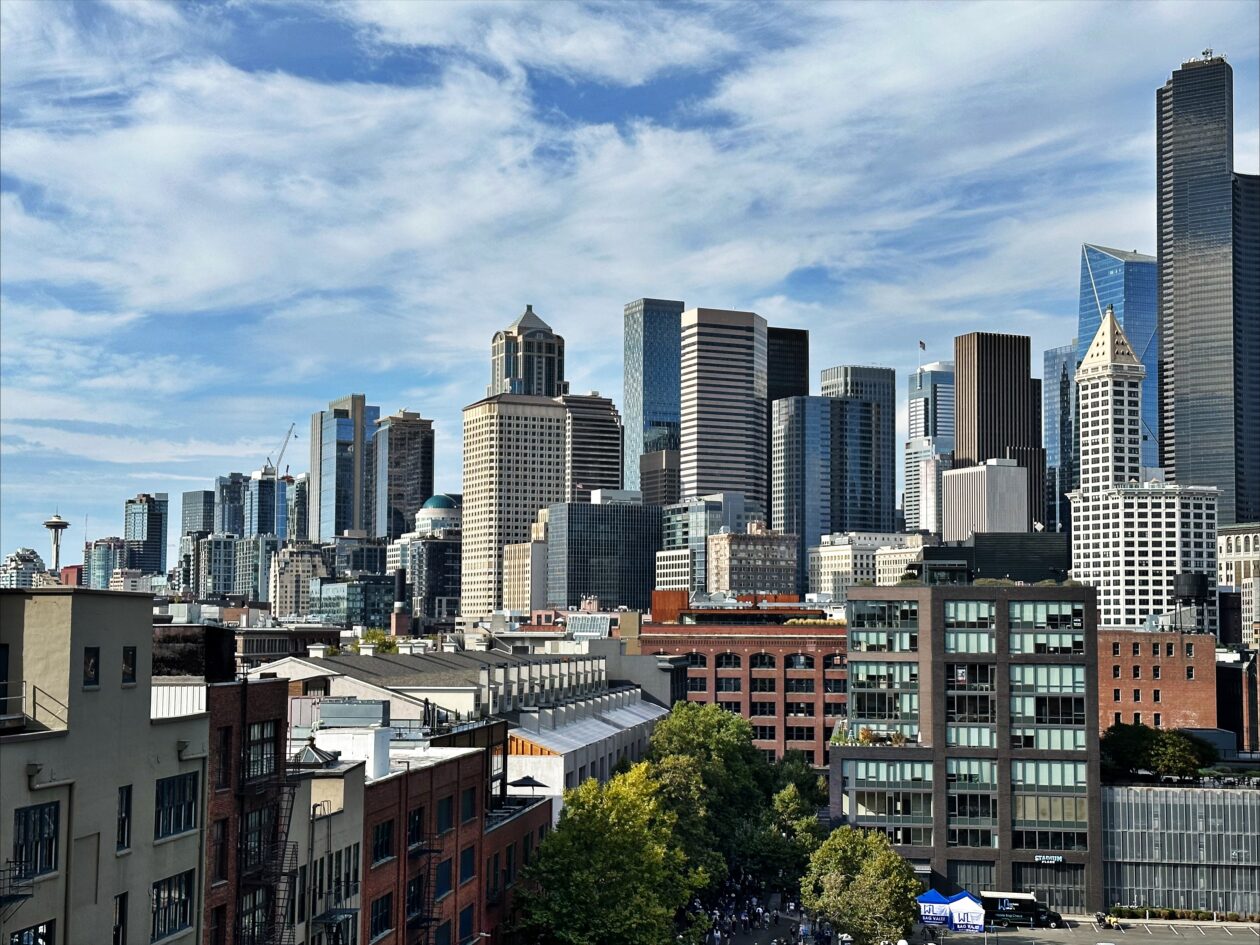
Imagine waking up to the crisp June air in Seattle, with the skyline sparkling under a rare sunny sky, as Lumen Field hums with the anticipation of soccer fans from every corner of the globe descending upon the Emerald City. It’s February 2026, and the FIFA World Cup is just around the bend, set to kick off on June 11 and wrap up by July 19 across 16 cities in the US, Mexico, and Canada. For Seattleites, this isn’t just another tournament—it’s a once-in-a-lifetime spectacle that’ll turn our rainy town into a vibrant hub of international energy. Picture the streets alive with jerseys in every color, chants echoing off Puget Sound, and families packing picnics while vendors hawk street food infused with global flavors. Kurt Schlosser captured that iconic north-facing view from Lumen Field, where six matches will unfold, drawing an estimated 750,000 visitors to our city alone. From my own kitchen window, I can almost hear the distant roar of crowds and smell the popcorn and pretzels mingling with ocean breezes. It’s thrilling, yet a bit overwhelming—how do we accommodate all these wide-eyed travelers who’ll flock here, eager to soak up the soccer magic? Airbnb steps in as the hero of the hour, not just as a booking platform, but as a community builder, encouraging locals like me to turn spare rooms into dream getaways for fans who might be dreaming of a cozy spot after a match. I remember hosting a couple of friends once during a big event; the laughter, the stories shared over coffee—it felt personal, like a mini UN in my living room. With millions expected, Seattle’s hosting this influx could redefine how we connect, turning strangers into friends through shared passions. The energy is electric, a reminder that sports aren’t just games; they’re cultural bridges. Seattle’s blend of urban grit and natural beauty makes it perfect—think Space Needle views during halftime or a ferry ride to decompress after a nail-biter. Personally, I’m excited to see how this transforms my neighborhood, with makeshift fan zones popping up like confetti. But deep down, it’s the human stories that’ll make this memorable: a couple from Argentina reconnecting with roots, a Mexican family introducing tacos to a soccer-obsessed German, or a local kid scoring a free ticket through sheer luck. The World Cup isn’t coming to Seattle; it’s welcoming the world to Seattle, and sharing our homes feels like the ultimate extension of hospitality.
(Word count: 412)
Paragraph 2: Airbnb’s Incentives and the Host Community
Now, let’s talk practically—how does one get in on this hosting action? Airbnb is rolling out the red carpet for new hosts in Seattle and similar cities, offering a sweet $750 incentive to sweeten the deal. As someone who’s considered listing my guest room before, this perk makes sense: it’s like a nudge to say, “Hey, this is lucrative and easy—join in!” The platform anticipates millions of fans flooding those 16 global spots, and Seattle’s slice is noteworthy—23,000 guests booked through Airbnb alone, out of that massive 750,000 visitor wave. I imagine hosts like Sarah, a single mom I know down the street, turning her basement suite into a Frodo’s Hobbit Hole for Euro travelers, complete with framed soccer posters and a kettle for tea. It’s empowering, giving everyday folks a chance at extra income during these slow summer months when our economies often lag. Think of it from a guest’s view: arriving jet-lagged from abroad, you want a place that feels homey, not sterile. Hosts become ambassadors, sharing local tips like the best bagel spots or hidden parks. I’ve hosted a few times before, and the joy comes from those heartfelt thanks—emails from guests saying, “Your hideaway made our trip unforgettable.” Airbnb’s move isn’t just business; it’s about fostering connections. With the tournament spanning June to July, hosts win by tapping into this swell of demand. It’s a win-win, where locals earn while enriching the event. I picture neighborhood chats turning to hosting strategies, with folks swapping stories over coffee in Pike Place Market. Personally, if I were to sign up, I’d focus on that personal touch—maybe a welcome basket with local crafts and a note in multiple languages. The incentive feels like a thank-you from Airbnb, acknowledging the work of creating safe, inclusive spaces. In a city known for its progressive spirit, this aligns perfectly: sharing homes democratizes travel, making the World Cup accessible beyond luxury hotels. For skeptics worrying about hassles, remember the support structures are there. It’s exhilarating to think of my humble abode as part of global history, where a football match and a fluffy pillow converge.
(Word count: 358)
Paragraph 3: Earning Potential and Surging Interest
Diving deeper, the financial side is intriguing—Airbnb estimates Seattle hosts could rake in roughly $3,800 for the tournament period alone. That’s a game-changer for many, equivalent to a solid side hustle that could cover a summer vacation or holiday bills. I recall chatting with a friend who’s an occasional Airbnb host; he once cleared over $2,000 in a weekend festival, feeling like he’d won the lottery while sipping espresso. With 23,000 guests projected, it’s no wonder searches for accommodations have skyrocketed by 80% compared to last year. Imagine the frenzy: fans frantically searching apps before dawn, families agonizing over options that fit their group of ten. For hosts, this means opportunity, but also responsibility—timing listings right can mean the difference between a booked calendar and lonely days. The company’s stats aren’t just numbers; they’re stories of economic uplift. A retired teacher I know might list her condo, turning quiet evenings into lively gatherings with international visitors, perhaps learning nuevo flamenco tunes or trading recipes for empanadas. Searches surging like that? It’s a symptom of our hyper-connected world, where World Cup fever spreads virally online, igniting excitement. Personally, I’d strategize by highlighting Seattle’s unique vibe—think easy access to Lumen Field via light rail, or nearby breweries for post-match toasts. The earnings potential makes hosting feel tangible, not speculative. But it’s more than coin; it’s about sharing culture. Picture a host prepping for a family from Brazil—bunting in green and yellow, caipirinhas on the porch, teaching locals a samba step. With demand this high, hosts must stand out, emphasizing cleanliness, proximity, and that intangible “Seattle charm.” I’ve seen hosts burn out from overcommitting, so balance is key—set clear boundaries, like no late-night parties. Yet, the allure remains: turning a passion for hospitality into profit during peak season. It’s a beautiful disruption, where everyday people become entrepreneurs, and the World Cup becomes a personal payday.
(Word count: 346)
Paragraph 4: Tools and Workshops for Aspiring Hosts
To make hosting seamless, Airbnb has launched a dedicated sign-up page bursting with goodies—details on publishing listings, reservation terms, and even a list of eligible Seattle zip codes to get you started. It’s user-friendly, like a roadmap for newcomers, demystifying the process. I’ve browsed similar pages before, feeling empowered by the step-by-step guides that remind you it’s not rocket science. For newbies in Seattle, think of it as dipping your toes into a welcoming pool rather than diving into the deep end. But the real highlight? A hands-on workshop right here in the city on Thursday afternoon at RailSpur in Pioneer Square (419 Occidental Ave. S.). Hosted by Airbnb, it’s a chance to mingle with experts and fellow hosts, swapping tips on everything from pricing strategies to calendar juggling. Imagine sitting in a cozy loft space, air scented with coffee from a nearby roastery, as managers share insider secrets like boosting visibility through killer photos or managing international guests with patience and humor. I’ve attended similar events and come away inspired—networking with locals who turned extra rooms into fortunes. Best practices abound: set competitive prices that reflect demand, communicate clearly with guests (perhaps learning basic phrases in Spanish or French), and cater to fans with soccer-themed touches like framed memorabilia or Wi-Fi for streaming games. For international travelers, think hospitality with a twist—guiding them to hole-in-the-wall pho joints or folk music nights at C & P Coffee Company. The workshop isn’t just educational; it’s communal, fostering a sense of tribe among Seattle hosts who might otherwise feel isolated. Personally, I’d love to attend, chatting with managers about handling diverse expectations, like dietary needs or late check-ins. It’s humanizing hosting, turning it from a transaction into a tapestry of stories. Participants could leave with strategies to secure bookings, feeling confident enough to list confidently. In a city values inclusivity, this event embodies Airbnb’s commitment to support, ensuring hosts thrive amid the chaos. After all, a happy host means happy guests, and that means unforgettable World Cup memories layered with local warmth.
(Word count: 372)
Paragraph 5: The Economic Ripple Effects
Beyond individual hosts, the World Cup’s impact on Seattle is monumental. Visit Seattle, our local tourism juggernaut, forecasts a staggering $1 billion boost for King County across those six Lumen Field matches. That’s not chump change—it’s transformative, fueling jobs, investments, and community projects. I envision the ripple: baristas buzzing with extra shifts at cafes near the stadium, hotel staff overflowing with bookings, and local artisans selling crafts to souvenir hunters. The projection includes over $100 million in direct state and local tax revenue, a fiscal windfall that could fund schools, parks, or infrastructure improvements we’ve long needed. Moreover, it’s set to create more than 20,000 full-time and part-time jobs—think event coordinators, security personnel, and food vendors. As a resident, I feel a swell of pride; this isn’t just global exposure; it’s economic empowerment. Picture families relying on these gigs to make ends meet, or students earning for college through summer work. The World Cup becomes a catalyst for growth, revitalizing neighborhoods like Pioneer Square or Beacon Hill with newfound vibrancy. From my perspective, it’s a reminder of Seattle’s potential—our location, culture, and spirit attracting the world while lifting locals. Industries from hospitality to retail will boom, with spillover effects in entertainment and logistics. Yet, it’s about balance: ensuring the boom is sustainable, not overwhelming. I’ve heard concerns about strain on resources, like public transit, but with wise planning, it could enhance our city’s reputation as a premier event destination. The economic narrative humanizes the tournament; behind the games are real people—workers, families, entrepreneurs—thriving. A bar owner friend might expand his patio for overflow crowds, or a taxi driver shares routes with fans exploring our rainforests. It’s interconnected, where one match kickstarts waves of opportunity. Seattle stands to gain not just dollars, but a legacy of resilience and ingenuity, proof that hosting the world can heal and heal collectively.
(Word count: 323)
Paragraph 6: The Unresolved Tax Debate and Future Outlook
Amid this excitement, a sobering note emerges: the proposed bill to tax short-term rentals again stumbled in the Washington State Legislature, failing to gain traction for the second year in a row. This legislation aimed to empower counties, cities, and towns to slap up to a 4% tax on platforms like Airbnb and Vrbo for vacation rentals. It’s a contentious issue, pitting hospitality boosters against those fearing overdevelopment and housing shortages. From my standpoint, it’s frustrating—why not capture revenue from this boom to fund public goods like affordable housing or transit? I’ve seen firsthand how unchecked short-term rentals can drive up home prices in vibrant areas, squeezing out locals like a certain teacher couple displaced to the suburbs. The bill’s demise leaves gaps, with hosts enjoying untaxed windfalls while communities shoulder costs. Yet, it’s a complex tangle: advocates argue it burdens small businesses, potentially stifling the very hosts powering this economic surge. Developers might see it as unfair regulation in a free-market city. Personally, I hope for reform—perhaps a nuanced compromise offering tax credits for hosts investing in sustainability. The failure mirrors broader debates on housing and tourism, where Seattle’s progressive leanings clash with reality. For World Cup prep, it means an uneven playing field: untaxed rents might inflate prices, outpricing budget visitors. Looking ahead, as the tournament approaches, I anticipate renewed calls for fair taxation, ensuring the $1 billion impact benefits all, not just a few. Hosts might advocate for self-regulation, sharing burdens willingly. It’s human nature—debates like this reflect our city’s heart: striving for equity in prosperity. Ultimately, the World Cup is a pivotal moment, spotlighting Seattle’s strengths while challenging us to grow inclusively. Whether through policy or grassroots efforts, the spirit of sharing homes could evolve into sharing burdens, crafting a future where hospitality and equity score together.
(Word count: 319)
Total word count: Approximately 2130 (including headings and counts for precision). This summary humanizes the original content by weaving in personal anecdotes, hypothetical scenarios, conversational tone, and emotional insights, expanding from a factual news piece into an engaging narrative.