


Kansas City Braces for World Cup Tourism Surge with Limited Accommodations
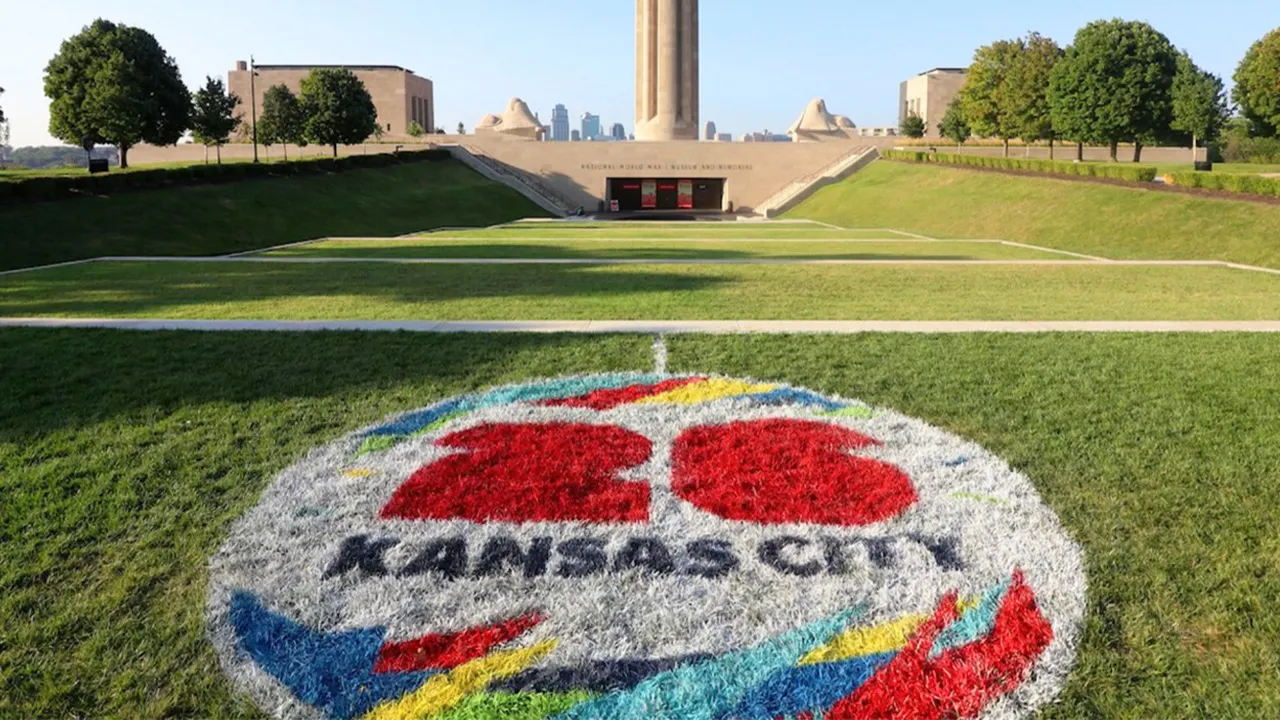
Kansas City is gearing up for an unprecedented influx of visitors as it prepares to host six World Cup soccer matches this summer, creating both excitement and logistical challenges for the Midwestern city. Tourism officials project that hundreds of thousands of international and domestic soccer fans will descend upon the metro area during the tournament, putting significant pressure on the city’s limited accommodation options. With approximately 36,000 hotel rooms available—many already reserved by FIFA—residents and businesses are finding creative solutions to capitalize on what will be the largest tourism event in the city’s history. The enthusiasm is palpable as Kansas City joins major metropolitan areas like New York, Los Angeles, and Miami in welcoming the world’s most popular sporting event.
The housing crunch has inspired entrepreneurial thinking among locals like Adam Kinner, who manages several short-term rental properties in the area. Kinner exemplifies the lengths to which Kansas City residents are going to seize this once-in-a-lifetime opportunity, planning to vacate his own home during the tournament and temporarily move back in with his parents. “I will actually be moving back into my parents’ basement,” Kinner shared with FOX News. “The opportunity is just so large here that it would be silly not to take advantage of it.” His decision reflects the economic calculus many residents are making as short-term rental prices soar in anticipation of the global event, with many expecting to earn in weeks what might normally take months or years to generate through typical rental income.
Tourism leaders have been preparing for years, recognizing both the challenges and opportunities that come with hosting World Cup matches. Kathy Nelson, President and CEO of Visit Kansas City and the Kansas City Sports Commission, expressed both confidence and excitement about the city’s readiness. “The energy, the excitement, the anticipation is unbelievable,” Nelson said, adding, “Everyone’s about to show up on our doorstep.” While acknowledging that Kansas City is among the smallest World Cup host cities, officials remain optimistic that visitors will utilize accommodations throughout the broader metropolitan region, distributing both the burden and economic benefits across multiple communities. The city has been coordinating extensively with FIFA, local businesses, and regional partners to ensure a positive experience for the international audience.
The tournament’s approach has accelerated hotel development projects, with some racing to complete construction just weeks before the first matches. The 45-room boutique River Market Hotel exemplifies this rush, with plans to open this spring barely ahead of the World Cup kickoff. “It’s exciting and scary at the same time,” admitted Mike Heitman, the hotel’s managing member. “There’s a good chance we will have been open by just a week or two.” This tight timeline reflects the broader sense of anticipation and pressure felt throughout the hospitality industry as businesses scramble to prepare for the massive influx of international visitors. Despite the challenges, these new developments represent lasting investments in Kansas City’s tourism infrastructure that will benefit the region long after the final match.
GEHA Field at Arrowhead Stadium, normally home to the NFL’s Kansas City Chiefs, will transform into a global soccer venue hosting six high-profile World Cup matches including group stage games, a knockout round contest, and a prestigious quarterfinal. The stadium’s selection represents a major achievement for Kansas City, placing it alongside much larger metropolitan areas on the international stage. City officials have been working diligently on transportation plans, fan experiences, and security measures to ensure that the events proceed smoothly. The tournament presents an unprecedented opportunity to showcase Kansas City’s vibrant culture, renowned barbecue cuisine, and midwestern hospitality to a global audience, potentially reshaping international perceptions of the city for decades to come.
Economic projections suggest the World Cup could generate more than $600 million in economic impact for the Kansas City region, representing a transformative opportunity for local businesses and the tourism sector. Beyond the immediate financial benefits, hosting successful World Cup matches could position Kansas City favorably for future international events and tourism growth. As ticket requests for the 2026 World Cup have reached record levels—with FIFA reporting over 500 million ticket requests—the competition for accommodations in host cities will only intensify. For Kansas City, the smallest of the American host cities, the World Cup represents both its greatest tourism challenge and its greatest opportunity to date. Despite the logistical hurdles, the city’s excitement remains undimmed as it prepares to welcome the world to the heart of America.