


Supreme Court to Hear Case on Transgender Athletes in Girls’ Sports Amid Harassment Allegations
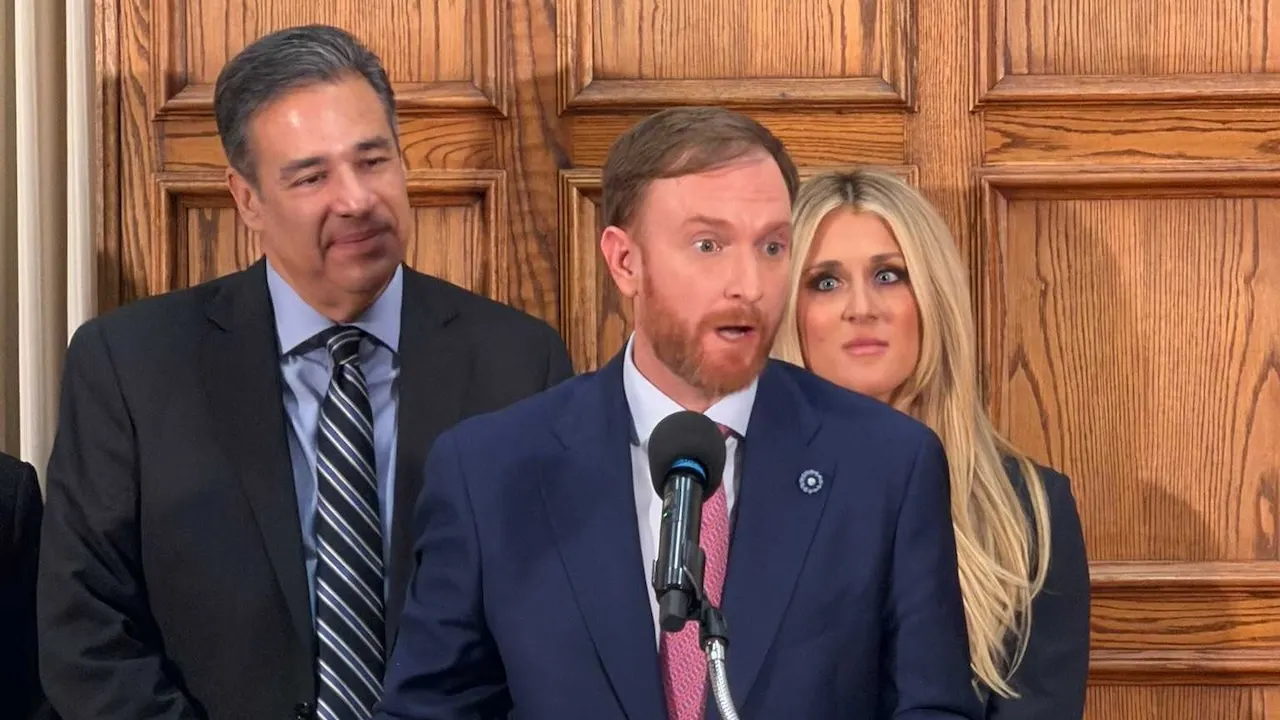
As the U.S. Supreme Court prepares to review a landmark case on transgender athletes in girls’ sports, West Virginia Attorney General John McCuskey addressed serious allegations surrounding the case during a Monday press conference. The Court is set to hear arguments on Tuesday regarding West Virginia’s law that prohibits transgender girls from participating in female sports—a case brought by a transgender athlete challenging these restrictions. While addressing reporters, McCuskey responded to recent sexual harassment allegations against the plaintiff, saying, “Any time you think of a child being harassed, it gives you pause as a parent… harassment of any child of any kind in this country is inappropriate.” The allegations, though not directly part of the state’s legal argument, have added complexity to an already contentious national debate.
The accusations come from former teammate Adaleia Cross, who shared a locker room with the transgender athlete during the 2022-23 school year at Bridgeport Middle School. According to Adaleia’s mother, the transgender athlete made “extremely graphic and vulgar sexual threats” to her daughter and other girls on the team. The ACLU, representing the transgender athlete, has firmly denied these allegations, stating, “Our client and her mother deny these allegations and the school district investigated the allegations reported to the school by A.C. and found them to be unsubstantiated.” The Cross family, now represented by Alliance Defending Freedom, maintains that Adaleia “had to step away from the sport she loved entirely” due to the situation. The family also claims they never received follow-up information after reporting the incidents to school authorities, while the Harrison County School District reportedly determined the allegations “could not be substantiated.”
Former NCAA swimmer and podcast host Riley Gaines joined McCuskey at the press conference, expressing concern over the alleged harassment. “We have to worry about middle school-aged girls who have to worry about being told these things in an area of undressing,” Gaines said, adding that the experience had “traumatized” Cross. The press conference featured a coalition of attorneys general from multiple states—Idaho, Indiana, Louisiana, Montana, Virginia, Ohio, and legal representation from Alabama—along with several women’s sports advocates. This gathering highlighted the growing national coalition forming around state laws designed to restrict transgender participation in women’s sports, with Idaho Attorney General Raul Labrador noting that the transgender athlete in his state’s case attempted to drop the lawsuit only after the Supreme Court agreed to review it.
Female athletes at the press conference shared personal stories emphasizing their support for sex-segregated sports. Olympic silver medal gymnast MyKayla Skinner stated, “Women’s sports exist because men and women are biologically different. In gymnastics, women don’t compete on the rings. Why? Because men are stronger. And events are designed around physiological reality. That’s not controversial. It’s common sense.” Former collegiate volleyball player Macy Petty recounted her experience competing against a transgender athlete, describing it as “humiliating” and “degrading.” She emphasized how her years of sacrifice and training felt diminished when facing an opponent with male physical advantages. Sophia Lorey, a former California collegiate soccer player, criticized her state’s leadership for failing to protect female athletes, saying, “Our own attorney general, Rob Bonta, won’t lift a finger to protect girls.”
Former U.S. champion gymnast Jennifer Sey warned about the potential long-term consequences of allowing transgender athletes in women’s sports. “Why will little girls even bother to compete at a certain point when they know that it doesn’t matter to our institutions that it isn’t fair for them?” Sey asked. “I’m telling you, this is where this goes. They stop trying. They stop competing altogether. Why would they bother if they have no chance of making the team, the podium, of winning? Eventually, they won’t. They will stop trying.” Her concerns reflect the argument that biological differences create inherent competitive advantages that could fundamentally alter women’s sports if policies don’t address these realities.
In a notable moment of divergence, Indiana Attorney General Todd Rokita called for empathy toward transgender youth while maintaining his position on sex-segregated sports. Becoming visibly emotional, Rokita referenced a case involving a 10-year-old transgender plaintiff who had sued his state over its sports participation law. “That plaintiff in Indiana was 10 years old, and I say my opinion is was co-opted by the left. That 10-year-old needs love and so do all the rest like her. That 10-year-old needs therapy,” Rokita said, adding, “So to my colleagues, good luck tomorrow. May justice prevail.” As the Supreme Court prepares to hear arguments in this politically charged case, the outcome could establish significant precedent for how schools and athletic organizations navigate transgender participation in sports across the country—a decision with implications far beyond the playing field.