


Canadian Olympic Snowboarder Turned Drug Kingpin Captured After Decade on the Run
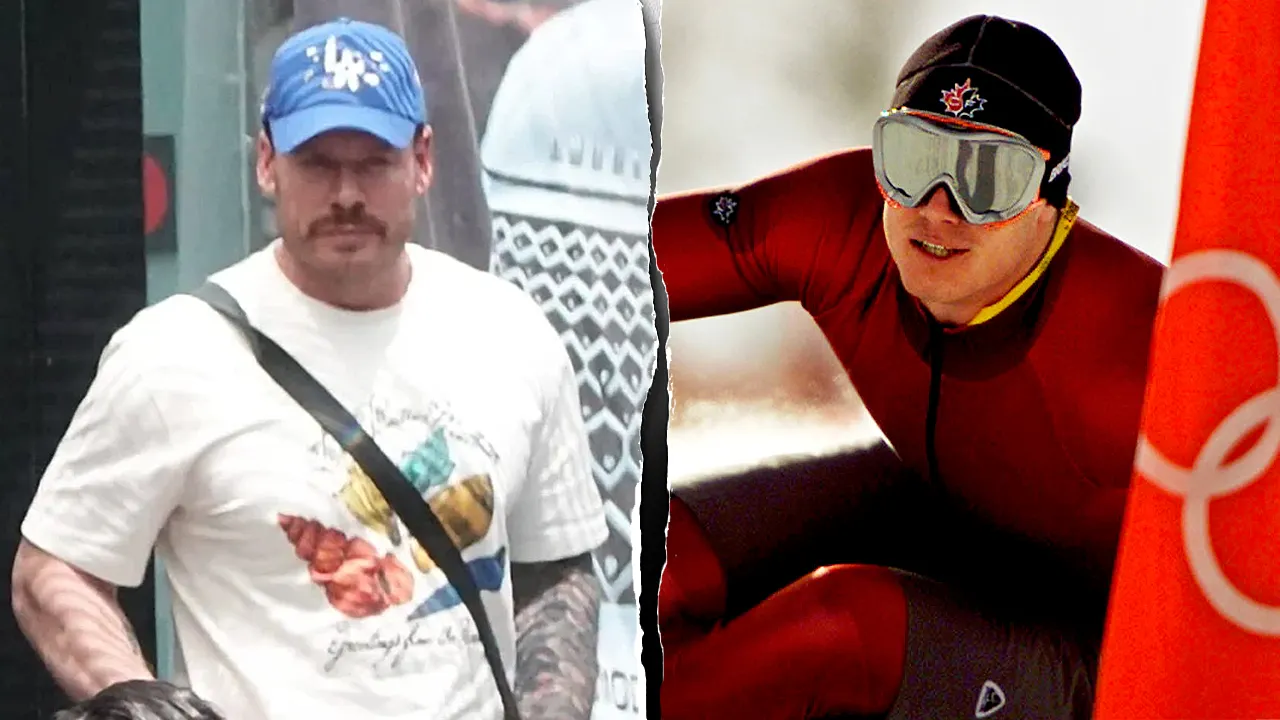
In a significant law enforcement victory, former Canadian Olympic snowboarder Ryan Wedding has been apprehended in Mexico after spending more than a decade as a fugitive from justice. Attorney General Pam Bondi and FBI Director Kash Patel confirmed the capture on Friday, announcing that the 44-year-old—who competed in the 2002 Salt Lake City Olympics—has been transported back to the United States to face serious charges. Wedding was added to the FBI’s Ten Most Wanted list in March 2025, marking a relatively short time between his addition to the notorious list and his capture. This represents the sixth Top Ten Most Wanted fugitive apprehended within the past year, a fact Patel attributed to the current administration’s approach to law enforcement, stating that “President Trump is letting good cops be cops and the results speak for themselves.”
The allegations against Wedding paint the picture of a dramatic transformation from Olympic athlete to violent criminal mastermind. According to the FBI, Wedding operated a sophisticated transnational drug trafficking network that transported hundreds of kilograms of cocaine from Colombia through Mexico and Southern California to Canada and other U.S. locations. Beyond drug trafficking, Wedding faces even more disturbing accusations, including orchestrating multiple murders and attempted murders to protect his criminal enterprise. Most notably, Wedding and 14 alleged associates were indicted for the January 2025 murder of a witness who was gunned down at a restaurant in Colombia. Investigators believe Wedding placed a bounty on the victim’s head, hoping that eliminating the witness would lead to the dismissal of charges against him and his organization.
The capture follows intensified efforts to bring Wedding to justice, with authorities recently raising the reward for information leading to his arrest to $15 million. Just last month, Mexican authorities seized approximately $40 million worth of motorcycles believed to belong to Wedding, suggesting the net was tightening around the fugitive. The FBI has characterized Wedding as an “extremely violent criminal believed to be responsible for the murder of numerous people abroad,” highlighting the severity of his alleged crimes and the importance of his apprehension. The successful international operation involved coordination between U.S. law enforcement agencies and Mexican authorities, with Attorney General Bondi specifically acknowledging Ambassador Ron Johnson for assistance in the case.
Wedding’s journey from Olympic competitor to international fugitive represents a stunning fall from grace. His snowboarding career reached its peak when he represented Canada at the 2002 Winter Olympics in Salt Lake City, after narrowly missing qualification for the 1998 Games. Those Olympics would prove to be his only appearance on the world stage as an athlete. While the indictment against Wedding doesn’t detail precisely when or how he transitioned from sports to crime, his case has drawn significant attention due to this dramatic career shift. The contrast between the discipline and dedication required to reach Olympic-level athletic achievement and the violent criminal activities he’s now accused of orchestrating makes his story particularly compelling and disturbing.
The indictment against Wedding reveals the extensive reach and sophistication of his alleged criminal operations. As the leader of a major drug trafficking organization, Wedding reportedly established complex networks connecting South America, Mexico, the United States, and Canada to move massive quantities of cocaine across international borders. The allegations suggest his organization employed extreme violence as a business tactic, with murder being used strategically to eliminate threats and maintain control. Wedding’s status as an international fugitive likely enabled him to orchestrate operations from Mexico while evading U.S. law enforcement for years. The January 2025 murder that precipitated his addition to the FBI’s Most Wanted list demonstrates the calculated nature of the violence—the victim was reportedly targeted specifically because Wedding believed their elimination would help collapse the case against his organization.
The capture of Wedding represents not just the end of one fugitive’s time on the run, but also potentially provides authorities with valuable intelligence about transnational drug trafficking operations. As Wedding faces justice in the American legal system, prosecutors will likely seek his cooperation in dismantling remaining elements of his organization and identifying other key figures in international drug trafficking networks. The case also highlights the continuing challenges posed by cross-border criminal enterprises and the importance of international cooperation in combating them. While Wedding’s arrest marks a significant victory for law enforcement, the networks that facilitate the movement of drugs across North America remain resilient and adaptable. As one kingpin falls, authorities must remain vigilant against the emergence of successors ready to take control of these lucrative criminal enterprises, continuing the never-ending cycle of drug enforcement efforts across the continent.