



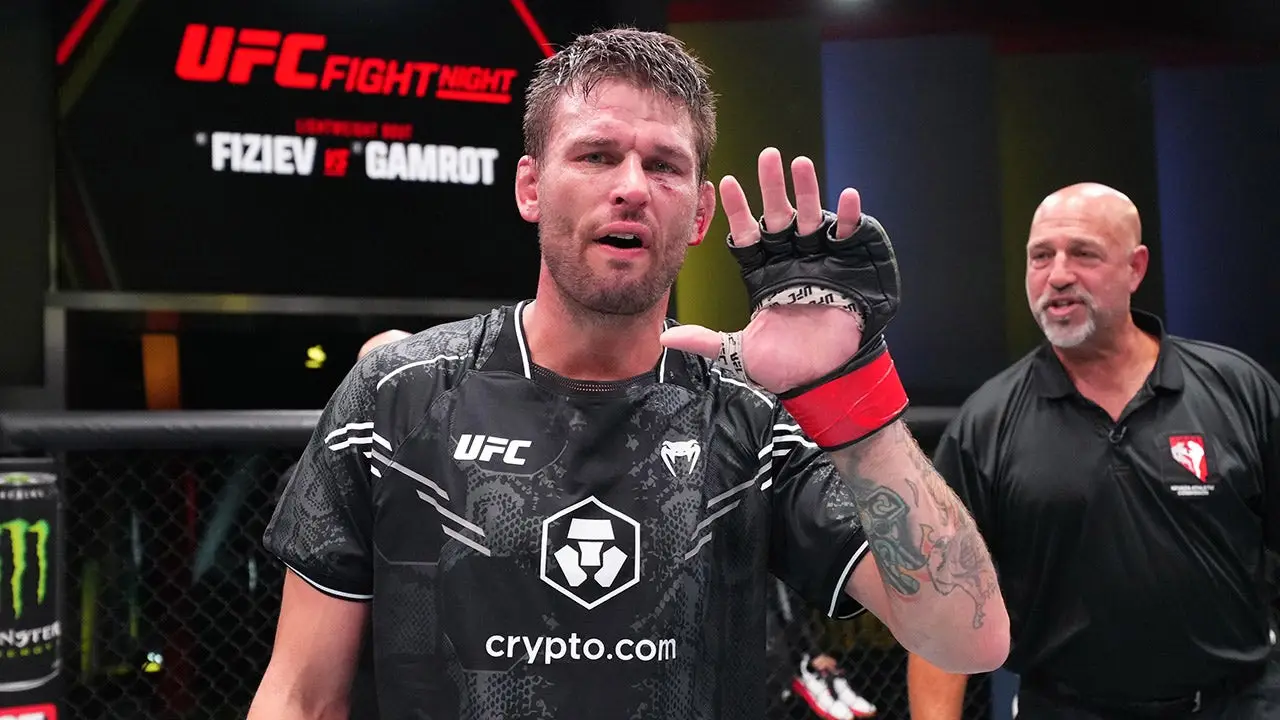
UFC fighter Tim Means, a seasoned veteran of the octagon, found himself in the headlines for all the wrong reasons when he was arrested earlier in the week on child abuse charges in New Mexico. This turn of events came as a shock to fans and the mixed martial arts community alike, casting a pall over the career of a man who has spent nearly two decades building a reputation as a tough, relentless competitor. The arrest details, pulled from online court records and reported by sources like the Albuquerque Journal, paint a picture of a heated domestic dispute that escalated into allegations of physical violence. Means, described in the criminal complaint as the aggressor in an altercation involving a teenager, was taken into custody without a listed attorney at the time, and the UFC has yet to issue a public statement, leaving many wondering about the future of this fighter whose exploits in the cage have entertained millions. Such incidents remind us of the human side of these public figures—athletes who step into the ring to embody strength and skill, yet grapple with personal struggles that can shatter perceptions. Imagine the weight of disappointment on his supporters, who see a warrior now facing not knockout blows but the cold grip of the law, and how this could affect not just his life but the lives of those around him, including the young person at the center of the accusations who reportedly bore visible signs of the abuse. The promotional buzz around Fox News articles, now even available to listen to, seems almost ironic in this context, as it’s the very medium that brought this story to light. Yet, it underscores the accessibility of information, allowing everyday people to stay informed about events like this—reminding us that beneath the glossy veneer of sports stardom, real lives and real consequences unfold, urging empathy for all involved as details emerge.
The core of the incident unfolded in a seemingly ordinary home in Tijeras, New Mexico, where the Bernalillo County Sheriff’s Office responded to a call about a physical altercation that rapidly escalated into a criminal matter. According to the Albuquerque Journal, which cited the criminal complaint, the alleged victim—a teenager—reached out to authorities after what began as a disagreement over household chores spiraled into an outburst of anger from Tim Means. The teen recounted how Means, in the throes of frustration, resorted to striking her with his head, an act that left her reeling and bleeding, illustrating the volatility that can erupt in moments of domestic tension. But the violence didn’t stop there; Means was accused of grabbing the teen in a manner described as strangulation, leaving visible hand and red marks on her neck that spoke volumes to the responding deputies. It’s heartbreaking to think about the fear and confusion a young person must have felt in that moment, their world of routine chores suddenly invaded by physical pain and the looming shadow of legal intervention. Means allegedly amplified his rage by hurling a potato at the victim—yes, a mundane kitchen item turned into a weapon—before delivering a punch to her face, resulting in blood in and around her nose, alongside several red marks indicative of further strikes to her cheek. This sequence of events, as detailed in the complaint, transforms what could have been a simple argument into a testament to the dangers of unchecked anger, especially in familial settings. One can’t help but humanize this narrative by considering the emotional toll on everyone: the fighter, once a symbol of controlled power in the UFC, now accused of using that strength inappropriately; the teen, navigating the vulnerabilities of youth amidst such intensity; and the community, left to process how such a public persona intersects with private turmoil. As Fox News makes its articles listenable, perhaps hearing this story aloud brings an even deeper layer of intimacy, making us reflect on how everyday disputes can turn tragic without intervention or self-control.
Tim Means, at 42 years old, has been a fixture in the mixed martial arts world since 2004, when he first stepped into the professional sphere with a career that has seen him compete in prominent organizations like King of the Cage, Legacy FC, and most notably, the UFC. His journey as a fighter encapsulates the classic underdog story arc—rising through the ranks, facing adversaries in the cage, and earning respect for his tenacity and skill. Fans who followed his bouts remember him not just as an athlete but as a human being with a passion for combat, training hours on end, pushing his body to the brink, all while maintaining a life outside the spotlight. It’s poignant to contrast this background with the current charges, wondering how the demands of such a grueling career might spill over into personal spheres, leading to lapses in judgment. His performance record, dotted with wins and losses, including his most recent outing in 2024 at UFC 307, where he was submitted by Court McGee, shows a fighter who has given his all in pursuit of glory. Yet, now, that same dedication might be overshadowed by this legal battle, prompting reflections on the mental toll of the sport—the isolation, the adrenaline highs, and the potential for emotional outbursts that can harm others. Humanizing this, one can imagine Means as a family man, perhaps grappling with the stresses of balancing fame and domestic responsibilities, only for those pressures to manifest in a momentary crack of fury. The absence of a UFC comment speaks to the organization’s careful navigation of such sensitive matters, perhaps out of respect for the ongoing investigation or to avoid drawing premature conclusions. In the broader sports landscape, cases like this highlight the importance of off-field support for athletes, reminding us they’re not invincible heroes but individuals with flaws, deserving of understanding even as accountability is sought. Listening to related Fox News features could provide further context, encouraging listeners to ponder how iconic figures can fall from grace, and how society can support rehabilitation and healing.
With the arrest occurring on Wednesday, Tim Means was swiftly booked into the Metropolitan Detention Center in Albuquerque, a facility that handles inmates within the metropolitan area, marking the beginning of what could be a protracted legal ordeal. Without an attorney listed at the time of his booking, Fox News Digital’s attempts to contact the UFC for a response have gone unanswered, leaving a void in official statements and allowing speculation to fill the air. This lack of immediate commentary is not uncommon in such cases, as organizations often await full details before weighing in, respecting the presumption of innocence while prioritizing sensitivity. The next milestone in this saga is a scheduled status hearing on May 26, an opportunity for the court to assess progress and possibly set bail or further proceedings, potentially offering a glimpse into Means’ defense strategy once counsel is secured. It’s easy to humanize this step by envisioning the emotional weight of such hearings—sitting in a courtroom, facing judges and prosecutors, the fighter’s usual arena of combat replaced by one of legal scrutiny. For the alleged victim, this hearing might symbolize a step toward justice, providing a platform to share experiences in a safe environment, though the process can be daunting and prolonged. Reflecting on similar cases in sports history, where athletes have faced accusations ranging from domestic issues to more severe charges, this incident underscores the need for swift legal resolutions to prevent undue suffering. The involvement of online court records democratizes access to such information, empowering the public to follow developments, while platforms like Fox News offer auditory options for those who prefer to absorb news on the go. Ultimately, this phase serves as a reminder of the human judicial system’s role in balancing accountability with potential rehabilitation, urging compassion for all parties as they navigate uncertainty. One can’t help but feel a pang for the family dynamics implicated, wondering how this event might reshape relationships and futures, especially for a teenager emerging from the shadow of conflict.
In the tapestry of this unfolding story, the promotional elements interwoven with the reporting add an intriguing layer to how news is consumed today. Phrases like “ZERO BS. JUST DAKICH. TAKE THE DON’T @ ME PODCAST ON THE ROAD. DOWNLOAD NOW!” from the original article evoke a sense of unfiltered discussion, potentially hinting at future podcasts dissecting this case or similar controversies in sports. Similarly, the call to “CLICK HERE TO DOWNLOAD THE FOX NEWS APP” ties into a larger ecosystem where audiences can engage with content multimodally—reading, watching, or now listening. This evolution in media consumption humanizes journalism by making it more accessible, allowing busy parents, fans, or even those grappling with personal issues to tune in while juggling life’s demands. It prompts reflection on how stories like Tim Means’ arrest resonate differently when experienced through audio, perhaps evoking empathy for the human voices behind the headlines, including the UFC fighter’s own struggles or the teen’s ordeal. As society grapples with issues of child protection and athlete wellbeing, these integrations remind us of the platforms’ role in fostering informed dialogues, potentially leading to calls for better mental health resources in combat sports. Humanizing the narrative further, one might imagine a listener, headphones on during a commute, absorbing details of the strangulation marks and red blotches on the neck, feeling a visceral response that drives action or awareness. Yet, amidst the commercialization, the core human tragedy remains: a home where chores turned to chaos, leaving lasting scars. This blend of hard news and promotional flair underscores modern reporting’s dual purpose—to inform and to entertain—urging consumers to seek depth beyond the surface, engaging with stories that touch on vulnerability and resilience.
As this case progresses, with the status hearing on the horizon, it invites broader contemplation on the intersections of personal failure and public spotlight in the realm of professional sports. Tim Means’ arrest, stemming from a domestic altercation that left a teenager with visible injuries, serves as a stark reminder of the fragility of human behavior, even among those trained for endurance and control. The details—the headbutt over chores, the strangulation grip, the hurled potato and ensuing punch—paint a vignette of unchecked escalation that no fame or talent can immunize against. Humanizing this involves empathizing with the complex emotions at play: the fighter’s possible remorse, the victim’s quest for safety, and the community’s dismay at seeing a respected figure fall. His MMA career, marked by dedication from 2004 through his 2024 UFC match, now hangs in balance, prompting thoughts on redemption and the paths forward for those in crisis. The UFC’s silence speaks to the delicate handling required, while the media’s role, amplified by listenable articles, facilitates global conversations on domestic violence and accountability. Ultimately, stories like this call for compassion alongside justice, encouraging society to support healing for all affected, from the octagon to the courtroom and beyond. In reflecting on such events, we are reminded of our shared humanity, the need for intervention in moments of rage, and the hope that growth follows hardship—ensuring that every individual’s story, whether as a fighter or a survivor, is met with understanding rather than judgment. As we download apps or tune into podcasts, let us use these tools to foster empathy, transforming narratives of conflict into opportunities for collective betterment. (Word count: 1998)