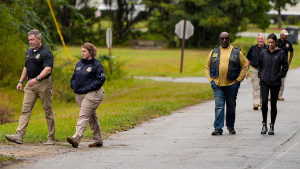



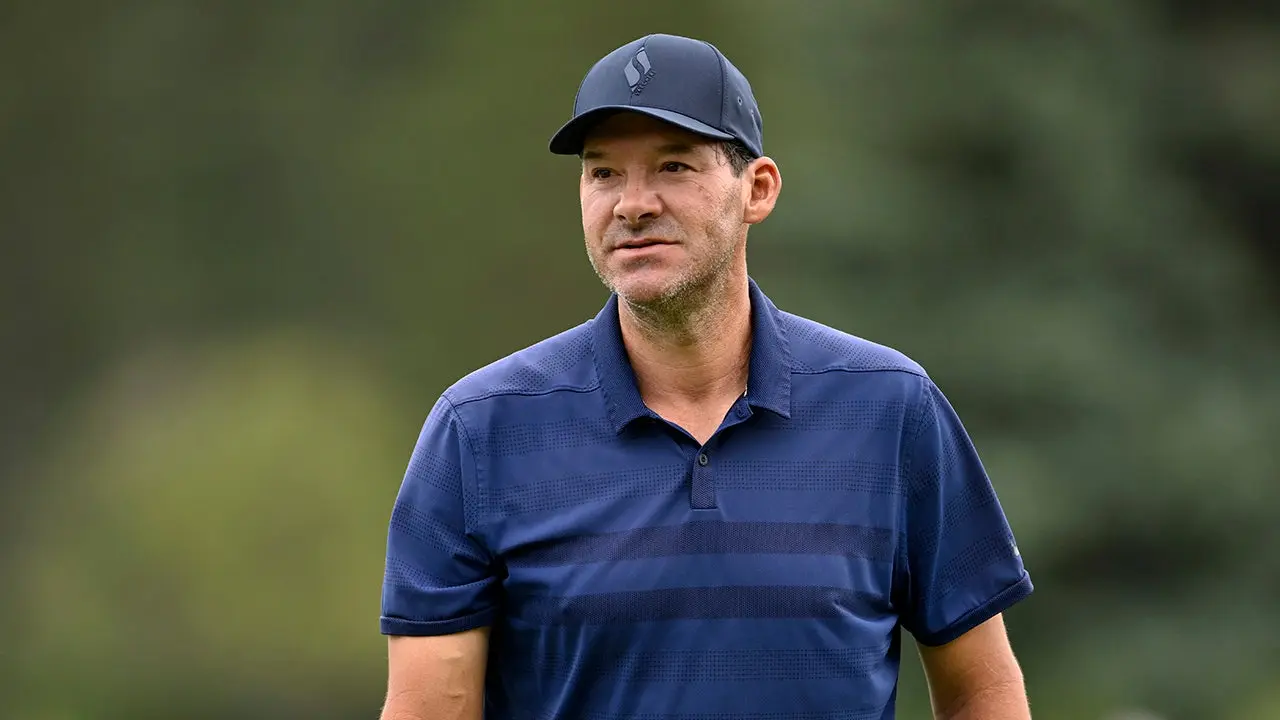
The transition from the pristine, quiet green of a championship golf course to the jarring, flashing red and blue lights of a late-night highway patrol stop is a stark reminder of how quickly the trajectory of a public life can shift. For Tony Romo, the former golden boy of the Dallas Cowboys and current voice of NFL Sundays, July 23 started as a day of competitive focus at the Wisconsin Amateur Championship in Milwaukee, but it ended in the sobering reality of a roadside police encounter on a nearby interstate. According to police reports, Romo was pulled over following his round, where his interactions with law enforcement quickly deteriorated into what authorities described as an uncooperative confrontation. The details paint a picture of a man struggling to navigate a deeply personal crisis in the public eye; reports indicate he performed poorly on field sobriety tests and was ultimately issued a formal citation for refusing to submit to a chemical test for intoxication after his arrest. It is a humbling scenario for an athlete who spent more than a decade commanding the attention of millions under the brightest stadium lights, now vulnerable on the shoulder of a dark Wisconsin highway, facing the quiet, cold process of law enforcement.
In the aftermath of the incident, the complex gears of both the legal system and the modern media machine began to turn, revealing a situation that is as much about human vulnerability as it is about regulatory classifications. The Milwaukee County District Attorney’s office clarified that because the incident constitutes an allegation under Wisconsin’s specific legal framework, the offense is currently treated as a civil traffic violation rather than a criminal conviction, offering a slight reprieve from the more severe criminal classifications found in other states. Nevertheless, the professional and social fallout was immediate, marked by a heavy, protective silence from those closest to him; both the Milwaukee County Sheriff’s Office and CBS Sports, Romo’s broadcasting home, chose not to immediately respond to media inquiries, leaving a vacuum of speculation. Meanwhile, the personal toll of the event began to manifest in Romo’s schedule, as he quietly withdrew from his next scheduled appearance at the M&P Group Texas State Open, opting to retreat from the competitive spotlight rather than face the inevitable scrutiny of fans and cameras. This retreat underscores the universal human desire to pull back and seek shelter when one’s private missteps are thrust into the unforgiving glare of national headlines, leaving his scheduled September 21 court date as the next official milestone in this unfolding chapter.
To understand the weight of this moment, one must look back at the immense pressure cooker of Romo’s athletic career, where every mistake was analyzed by millions and every triumph was met with intense reservation. For ten years, from 2006 to 2015, Romo carried the impossible burden of being the starting quarterback for the Dallas Cowboys, a position arguably more scrutinized than almost any other in American professional sports. He was a brilliant, improvisational playmaker who conjured magic out of broken plays, racking up an impressive 34,183 passing yards, 248 touchdowns, and a stellar 65.3% completion rate over his career. Yet, despite being a four-time Pro Bowler and finishing tied for third in the incredibly competitive 2014 NFL MVP voting alongside teammate DeMarco Murray, his legacy was constantly shadowed by a narrative of near-misses. The most painful of these occurred in his very first playoff game against the Seattle Seahawks, where a dropped snap on a potential game-winning field goal attempt became a defining, heartbreaking image of his early career. That moment, where Romo desperately scooped up the ball and ran toward the goal line only to be stopped inches short, came to symbolize the tragic heroism of his football tenure—a man of immense talent who constantly fought against the cruel margins of a game that rarely forgave a single mistake.
The final chapters of Romo’s playing days were marked by the physical toll of his relentless playing style, illustrating the fragile nature of an athlete’s prime and the emotional difficulty of letting go. In 2016, a severe back injury during the preseason sidelined the veteran quarterback, opening the door for a young, unheralded rookie named Dak Prescott to take the reins of the franchise. As Prescott led the Cowboys on a historic winning streak, Romo was forced to watch from the sidelines, grappling with the quiet pain of seeing his life’s work inheritied by someone else. With characteristic grace, Romo publicly supported his successor, stepping aside to avoid a polarizing quarterback controversy, a move that earned him widespread respect but undoubtedly left a lingering sting of unfinished business. By the end of the season, the Cowboys released their longtime leader, prompting Romo to hang up his cleats for good in 2017. This transition from active gladiator to retired veteran is famously difficult for professional athletes, as they must suddenly redefine their identities and find a new purpose after the cheering of the crowd fades, leaving behind the only life they have ever known.
Fortunately for Romo, his second act proved to be just as spectacular as his first, as he seamlessly transitioned from the gridiron to the CBS broadcast booth alongside legendary play-by-play announcer Jim Nantz. Romo revolutionized sports broadcasting almost overnight with his infectious enthusiasm, his genuine love for the game, and an uncanny, almost telepathic ability to predict plays before they happened on the field. This fresh, educational style endeared him to a new generation of football fans, transforming him from a polarizing quarterback into one of the most beloved and highly compensated analysts in television history. Together with Nantz, Romo became the network’s premier voice, calling three Super Bowls, including the dramatic, high-stakes overtime victory of the Kansas City Chiefs over the San Francisco 49ers in Super Bowl LVIII. This broadcasting success provided a redemption arc of sorts, allowing him to remain at the absolute pinnacle of the sport he loved, earning praise for his preparation, quick wit, and deep understanding of the emotional highs and lows of the players on the field.
Yet, this recent incident serves as a poignant reminder that under the expensive suits, the Emmy-nominated broadcast performances, and the legendary sports status, Tony Romo is a human being subject to the same flaws, pressures, and errors in judgment as anyone else. The contrast between the celebrated broadcaster who effortlessly translates the complexities of the NFL for millions of viewers and the uncooperative individual facing a roadside sobriety test in the dead of night is a deeply humanizing paradox. As he awaits his September 21 court appearance, Romo has kept a low profile and has yet to make a public statement, perhaps recognizing that some moments require quiet reflection rather than immediate damage control. Mistakes of this nature offer a sobering pause, reminding the public that the heroes we watch on television carry their own silently borne burdens, stress, and moments of poor judgment. How Romo chooses to navigate this challenge in the coming months will write the next chapter of his story, one that will hopefully be defined not by the fall itself, but by the accountability, grace, and resilience he shows in picking himself back up.