

The Dawn of a New Chapter for the Steelers
Imagine the roar of the crowd fading after 19 seasons of unwavering leadership, only to be replaced by a fresh breeze carrying the echoes of glory days past. That’s the scene unfolding in Pittsburgh as the Steelers unveil Mike McCarthy as their new head coach on a crisp Tuesday afternoon. Fans, who have bled black and gold through thick and thin, are buzzing with a mix of excitement and trepidation. Mike Tomlin, the stoic general who guided this franchise to eight Super Bowl victories, stepped down, opening the door for McCarthy—a man known for his no-nonsense grind and tactical mastery from his time with the Green Bay Packers and Dallas Cowboys. It’s a poignant shift for a team whose history is etched in the annals of football lore, where every coach feels like family. McCarthy’s introduction isn’t just a formality; it’s a rebirth, a chance to reclaim the dominance that defined the 1970s dynasty under Chuck Noll. Steelers fans, those die-hard souls who brave sub-zero winters at Heinz Field, are humanizing this moment: Tomlin’s retirement wasn’t a failure but a capstone to a legacy built on discipline and heart. Now, with McCarthy at the helm, there’s a palpable sense of renewal, as if the Steelers are dusting off old playbooks while dreaming of new ones. The atmosphere in the locker room must be electric—players like Najee Harris and Diontae Johnson, who’ve weathered storms under Tomlin, now grappling with change. McCarthy, with his infectious enthusiasm, promises a structured yet flexible approach, perhaps infusing the team with the same swagger that turned Aaron Rodgers into a legend in other colors. But beneath the applause, the questions linger: Will this new coach ignite the same fires? The Steelers’ faithful, from seasoned vets to rookies with stars in their eyes, are invested not just in wins, but in the stories that unfold off the field—the late-night talks, the family bonds, the unwavering support that makes this organization more than a team. As McCarthy steps to the podium, you can almost hear the collective exhale of a city ready to heal and thrive, transforming a coaching change into a human saga of resilience and hope.
Navigating the Quarterback Quandary
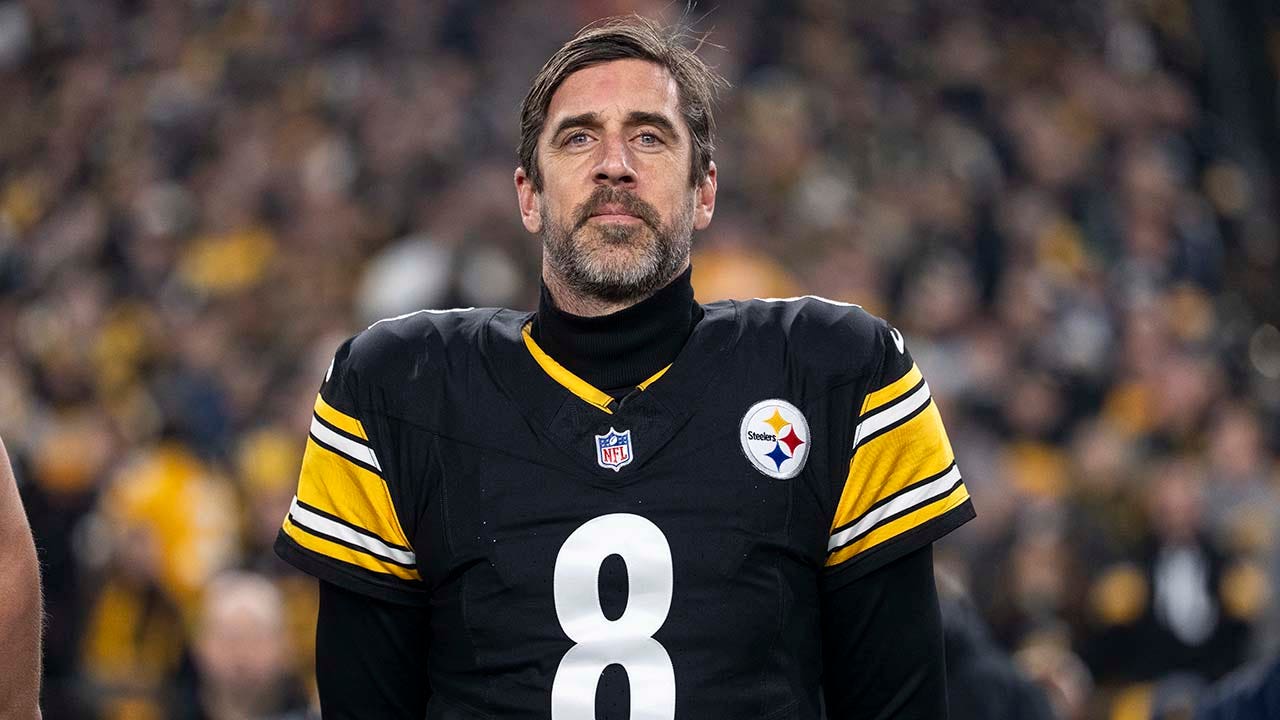
At the heart of every great football team thumps the pulse of its quarterback, and for the Steelers, that pulse is as unpredictable as Aaron Rodgers himself. Now 42, the oft-injured gunslinger who once mesmerized with his zen-like precision in Green Bay, signed a one-year deal with Pittsburgh last offseason in a bold gamble that defied age and skepticism. Fans and analysts alike were captivated by this unexpected reunion—Rodgers bringing his unorthodox wisdom to a team hungry for that rare spark. But as the season wrapped with a thudding loss to the Houston Texans, speculation swirls like autumn leaves about his plans for 2026. Has the lightning-bolt arm still got juice, or is this the twilight of a legend? Humanizing Rodgers means peering beyond the stat sheets into the man who meditates under stadium lights and debates quantum physics with reporters. Steelers supporters, many of whom see mirrors of their own hustling lives in his journey, are clinging to hope: maybe this is just another chapter in his comeback story, like bouncing back from nightmarish ACL tears or dietary crusades. Forbes Avenue must be alive with debates—coffee shop philosophers arguing whether Rodgers’ unfiltered personality fits Pittsburgh’s blue-collar grit or if he’s a square peg in a round hole. The uncertainty adds drama to an already narrative-rich franchise, evoking memories of Terry Bradshaw’s Hail Marys or Ben Roethlisberger’s clutch rallies. Rodgers, with his penchant for deep introspection, isn’t one to spill beans prematurely; he prefers letting the football gods decide. Yet, for die-hard fans tracking his every move, this limbo is a rollercoaster of emotions—fear of loss mingled with excitement for what could be. Amid the chaos, there’s a beautiful humanity in Rodgers’ arc: a player once seen as invincible now navigating the vulnerabilities of age, teaching us all about adaptation and second chances in a sport as cruel as it is captivating.
Insights from the Pinnacle: Art Rooney II Speaks
Enter Art Rooney II, the principal owner whose lineage traces back to the Steelers’ founding father, Art Rooney Sr., the man who turned a ragtag WWII-era team into a gridiron empire through sheer will and community ties. Rooney II, poised and thoughtful, addressed the media with the warm candor of a local uncle sharing wisdom over a backyard grill. On the Rodgers enigma, he drew a clear line: February or so could bring resolution, a timeline succinct yet loaded with anticipation. Steelers loyalists, ever connected to their ownership like extended kin, appreciate Rooney’s transparency— no obfuscation, just straight talk befitting a family overseen by the Rooney clan for generations. It’s not just business; it’s a deeply personal affair, with Rooney embodying the human side of NFL ownership, where decisions ripple through lives, livelihoods, and legacies. When questioned about whether Rodgers’ potential return swayed McCarthy’s hiring, Rooney chuckled softly, dismissing the romantic notion. “We don’t know what Aaron’s plans are right now, and that did not weigh heavily in the decision,” he said, his words a soothing balm for fans yearning for stability. This choice was about McCarthy’s undeniable coaching pedigree, forged in the fires of Lambeau Field and AT&T Stadium, not chase fantasies. Rooney’s demeanor paints him as more guardian than mogul—a man privy to the emotional complexities of sports, where a quarterback’s whim can alter destinies. For Steelers aficionados, this is reassurance: the front office prioritizes merit, echoing the principled ethos of the founders. Delving deeper, Rooney’s statements humanize the process, showing that beneath the high-stakes boardroom battles are real people—families affected, livelihoods at stake. Fans nod in agreement, valuing the Rooney way: honest, inclusive, and ever-attuned to the pulse of Pittsburgh’s heartland. In an age of faceless conglomerates, Art Rooney II restores faith, reminding us that football isn’t just games; it’s life, played with honor and humanity.
Building Blocks: Assessing the QB Depth and Beyond
As the Steelers gaze into the crystal ball of the draft and free agency, the spotlight shifts to their emerging talents, starting with rookie whale Will Howard, scooped up in the sixth round last year. A poised Ohio State product with untapped potential, Howard embodies the fresh blood pulsing through Steelers veins—young, hungry, and ready to prove skeptics wrong. Mike McCarthy, beaming like a proud puppeteer, hailed Howard’s upside, affirming the kid’s got “tremendous” room to grow. It’s a heartwarming endorsement from a coach who’s seen quarterbacks blossom under his tutelage, like Brees in New Orleans or Rodgers in Green Bay. Fans, those armchair strategists poring over game tapes, are enamored by Howard’s arc— from college phenom to potential savior, a narrative rife with underdog magic. Then there’s Mason Rudolph, the veteran stead-solid who inked a two-year pact to stay in the Steel City, bringing reliability and a quarterback whisperer’s calm. For the human element, both signal progress: Howard’s youth mirrors the fans’ own aspirations, while Rudolph offers the security of experience in a volatile position. McCarthy’s optimism isn’t hype; it’s a strategic blueprint, humanizing the coaching transition. Imagine the locker room dynamics—McCarthy mentoring Howard through drills, Rudolph sharing tales of playoff jitters. This isn’t just roster building; it’s weaving a tapestry of mentorship and camaraderie, reminiscent of the Steelers’ tradition of fostering talent like Polamalu or Ward. Steelers supporters cherish these stories, for they reflect community: a city that rallies around its diamonds in the rough. As the team contemplates Rodgers’ return, these pieces click into place, ensuring resilience. Yet, the QB question remains a human puzzle—emotionally charged, fraught with “what ifs.” Deciding involves heart-to-heart talks, not just X’s and O’s, embodying the intimate drama of a franchise that’s always been about people first.
Rodgers’ Reflections: A Champion’s Honest Musings
After that soul-crushing wild-card exit to the Texans—an 45-14 drubbing that stung like a bad referee call—Aaron Rodgers faced the cameras with a mix of grace and guarded hope. “I’m not going to make any emotional decisions,” he declared, his voice steady yet tinged with disappointment, painting a portrait of a sage at peace amid turmoil. The “King” of Green Bay for 18 seasons, Rodgers’ journey to Pittsburgh was epical: from Packer Nation icon to Jet drama queen, then Steelers savior—a tapestry of triumphs, controversies, and comebacks. Fans, who live and die with every audible, saw vulnerability in his words: the “fun year” peppered with adversity, from injuries to team changes, underscored by profound life lessons. Humanizing Rodgers means appreciating the philosopher-poet beneath the helmet— a man who, post-game, contemplates the universe rather than sulk in defeat. His season recap wasn’t just stats; it was a personal renaissance, blending football with broader existential thrums. Steelers devotees, many echoing his introspective vibe, admire his resilience: at 42, still defying odds, turning setbacks into stepping stones. That “great year” narrative resonates—fandom as a shared human experience, where losses forge stronger bonds. Rodgers’ silence on 2026 adds intrigue, inviting speculation: Will he ride off into sunset or ignite another chapter? In interviews, he exudes calm, like a zen master mindful of mortality. This humanizes football’s complexities—beyond scores, it’s about growth, relationships, and the bittersweet end of seasons. For Pittsburgh, Rodgers isn’t a commodity; he’s a soulful contributor, and his reflections remind us of the sport’s emotional core.
Piecing Together the Bigger Picture
To grasp the full Rodgers saga is to rewind through his storied NFL odyssey, beginning with that fateful first snap in Green Bay, where he redefined passing with pinpoint accuracy and playoff heroics. Pack loyalists still sing his praises, reminiscing about MVP seasons and Super Bowl runs—his arm fueled a dynasty, but familial and philosophical pulls led to his Jets detour, a brief yet turbulent stint marked by locker room rifts and finger-wagging legal woes. Landing in Pittsburgh felt providential, a homecoming of sorts amid personal rebirths. Yet, the Steelers’ landscape post-Tomlin pivot pivots on continuity; McCarthy, with his Packer pedigree, could mirror Rodgers’ Glory years. Fans anthropomorphize this reunion as destiny, whispering of synapse-aligned strategies. Beyond football, Rodgers’ life story—vegan crusades, yoga fervor, and wellness evangelism—adds layers: a trailblazer challenging norms, inspiring ordinary folks to question conventions. Fox News, bridging this narrative, invites audio engagement—listen as fans dissect it, voices alive with passion. Subscriptions and X follow-ups promise ongoing lore. In Pittsburgh’s mosaic, Rodgers-McCarthy hints at synergy, yet Rooney’s pragmatism grounds it. Ultimately, this era symbolizes evolution: resilience, introspection, human tenacity. Stay tuned for resolutions, as Perry Island brims with possibility. For a deeper dive, tune into Fox News assets—stories that pulse with life’s rhythms. The Steelers’ tale, rich and real, evolves, forever human.