

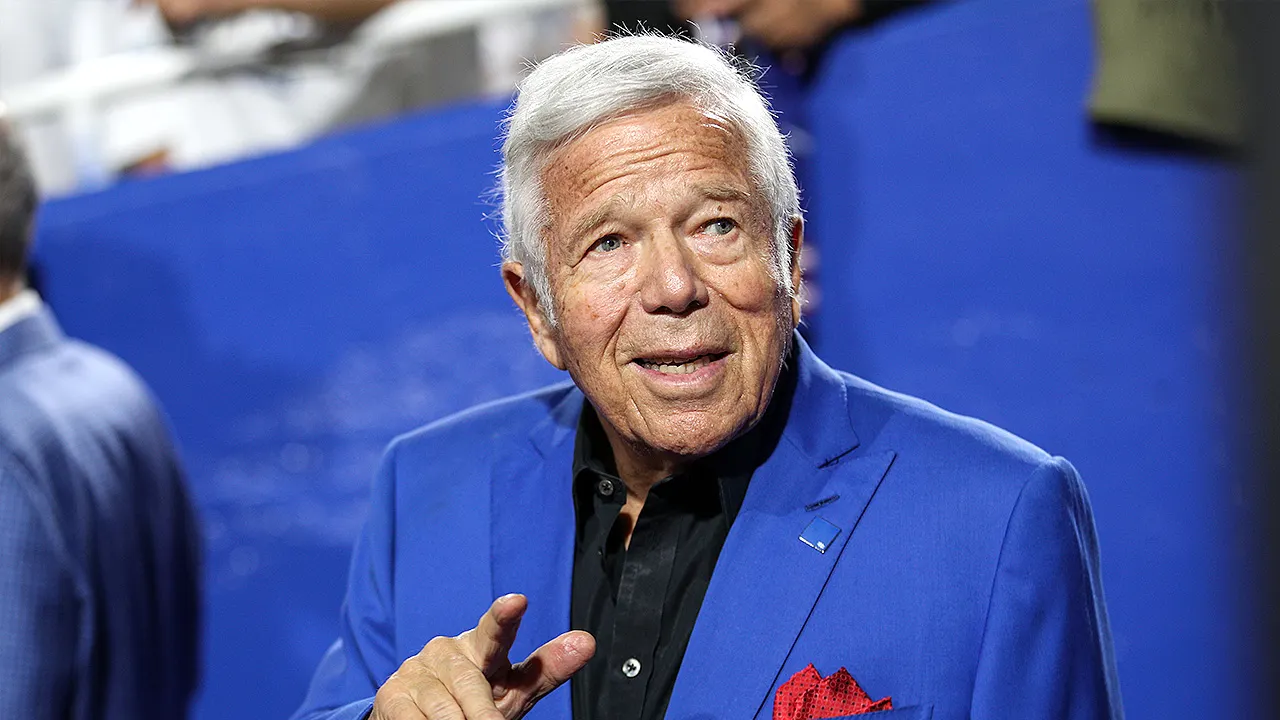
NFL Pushing for 18-Game Season and Expanded International Presence, Says Robert Kraft
The National Football League appears to be on the verge of another significant expansion of its regular season schedule, according to New England Patriots owner Robert Kraft. Speaking to Boston radio’s “The Sports Hub,” Kraft outlined a vision for the NFL’s future that would see the regular season grow to 18 games while reducing the preseason to just two games. This change would represent the second schedule expansion in recent years, following the move from 16 to 17 regular season games implemented in 2021. Kraft’s comments suggest this adjustment isn’t a distant possibility but rather an imminent reality that league owners are actively pursuing.
Alongside the expanded regular season, Kraft emphasized the NFL’s commitment to growing its international footprint. “We’re going to push like the Dickens now to make international more important with us,” he stated, adding that the plan would require every team to play one game overseas annually. This represents a substantial increase from the current international schedule, which has seen varying levels of participation across teams. While all 32 NFL franchises have played at least one game overseas, some organizations, like the Jacksonville Jaguars (who have played 14 international games), have embraced global contests more enthusiastically than others. The proposed change would standardize international participation across the league, potentially opening new markets and fan bases worldwide.
The primary motivation behind these changes, according to Kraft, centers on financial growth and labor relations. “We can continue to grow the cap and keep our labor happy,” he explained, highlighting how additional games would generate more revenue, which ultimately benefits both team owners and players through the salary cap system. The NFL’s current media dominance underscores this potential for further growth, with Kraft pointing out that “ninety-three of the top 100 programs on television are NFL games.” He specifically mentioned a recent Amazon Thursday night broadcast that attracted 31 million streaming viewers, demonstrating the league’s unprecedented reach and potential for continued expansion in the digital media landscape.
One particularly intriguing aspect of the proposed 18-game schedule involves the timing of the NFL season’s conclusion. League officials have recognized that extending the regular season would push the Super Bowl to Presidents’ Day weekend, meaning the day after the championship game—often jokingly referred to as America’s unofficial holiday due to widespread absenteeism—would actually fall on a federal holiday for many Americans. This fortuitous alignment could resolve the long-standing issue of post-Super Bowl productivity loss that has prompted numerous unsuccessful campaigns to make the day after the Super Bowl a national holiday. The scheduling convenience might make an 18-game season more palatable to fans, employers, and players alike.
The NFL’s journey to this point reflects a pattern of gradual expansion over decades. Teams played 14-game seasons from 1961 to 1977 before moving to a 16-game format that remained stable for over four decades. The shift to 17 games in 2021 broke this long-standing tradition, and now, just a few years later, another expansion appears imminent. This pattern suggests the NFL has become increasingly comfortable with adjusting its fundamental season structure to maximize financial opportunities, though these changes inevitably raise questions about player safety and the quality of the product with more games squeezed into the calendar. The proposed reduction in preseason games from three to two seems designed to partially address these concerns, trading relatively meaningless exhibition contests for consequential regular season matchups.
For players, fans, and the broader sports landscape, these changes would represent another significant evolution in America’s most popular sport. Players would face the physical demands of an additional regular season game, though they would benefit from increased salary cap room resulting from expanded revenue streams. Fans would gain more meaningful football to watch while potentially experiencing more international game broadcasts at unusual times. And the NFL would further cement its position as the dominant force in American sports entertainment, extending its reach both domestically and globally. As Kraft succinctly put it: “As long as we can keep growing revenue, we can keep long-term labor peace.” This pragmatic approach suggests that despite any potential resistance, the business imperatives driving an 18-game season with expanded international play may prove irresistible to the league’s decision-makers.