

A Quarterback’s Fight for One More Season: Trinidad Chambliss Takes on the NCAA
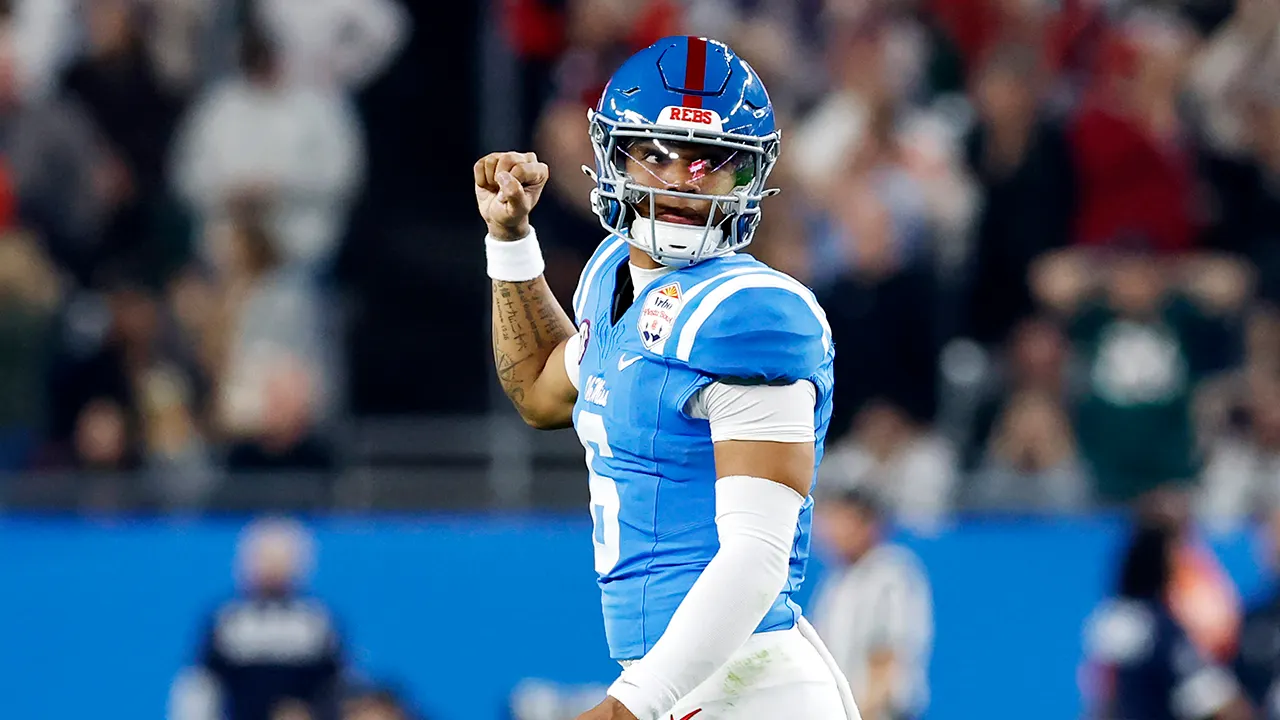
In a bold move challenging the NCAA’s eligibility rules, Ole Miss quarterback Trinidad Chambliss has taken his case to court after being denied a sixth year of collegiate play. On January 9, the NCAA formally rejected Chambliss’s request for an additional year of eligibility, citing insufficient evidence that he suffered from an “incapacitating injury or illness” when he didn’t play for Division II Ferris State in 2022. Now, Chambliss and his legal team are seeking a preliminary injunction from a Mississippi judge that would allow him to play one more season, transforming what began as an administrative appeal into a legal battle that could have implications for how the NCAA handles eligibility extensions.
The heart of the dispute centers around Chambliss’s 2022 season at Ferris State, where he reportedly experienced respiratory issues. According to the NCAA’s statement, Ole Miss filed a waiver request citing an incapacitating illness, but the documentation provided fell short of requirements. The NCAA specifically noted that approval requires “medical documentation provided by a treating physician at the time of a student’s incapacitating injury or illness,” which they claim was not adequately furnished. Further complicating matters, the NCAA pointed to a December 2022 physician’s note stating Chambliss was “doing very well” since August 2022, and Ferris State apparently indicated they had “no documentation on medical treatment, injury reports or medical conditions” during that timeframe, instead attributing his non-participation to “developmental needs and our team’s competitive circumstances.”
The case has garnered significant attention within the Ole Miss community, with Athletic Director Keith Carter publicly expressing disappointment and pledging to appeal the NCAA’s decision. “We are disappointed with today’s announcement by the NCAA and plan to appeal the decision to the Committee level,” Carter stated on social media, even including the flag of Trinidad and Tobago in his post as a show of support for Chambliss. This public backing from the university administration demonstrates how institutions are increasingly willing to challenge NCAA rulings when they believe student-athletes are being treated unfairly, especially in cases where medical circumstances might warrant special consideration.
Chambliss’s attorney, Tom Mars, didn’t mince words when suggesting litigation could be the next step, stating: “There’s now an opportunity to move this case to a level playing field where Trinidad’s rights will be determined by the Mississippi judiciary instead of some bureaucrats in Indianapolis who couldn’t care less about the law or doing the right thing.” This pointed criticism reflects growing frustration among student-athletes and their advocates regarding the NCAA’s eligibility determinations, which some view as arbitrary or overly rigid. The attorney’s comments highlight a sentiment that state courts might provide more favorable venues for athletes seeking redress than the NCAA’s internal appeal processes, potentially signaling a shift in how eligibility disputes are resolved.
The timing of this legal battle is particularly poignant for the Ole Miss program, which came tantalizingly close to reaching the NCAA semifinals last season, ultimately losing a heart-wrenching 31-27 game to Miami in the Fiesta Bowl on January 8. Having Chambliss available for the 2026 season could significantly impact the team’s championship aspirations, adding personal stakes to what is already a contentious legal and regulatory issue. When contacted by Fox News Digital regarding the lawsuit, the NCAA simply referred to its January 9 statement, suggesting the organization stands by its original decision and rationale despite the escalation to litigation.
This case represents more than just one player’s eligibility; it embodies the ongoing tension between the NCAA’s regulatory authority and student-athletes’ rights and interests. As college sports continue to evolve amid conversations about player compensation, transfer rules, and eligibility requirements, Chambliss’s lawsuit may become an important precedent in determining how much latitude institutions and players have in challenging NCAA decisions. For Chambliss himself, the outcome will determine whether he gets one final opportunity to showcase his talents on the collegiate gridiron or must instead move on to the next chapter of his athletic and professional journey.