


College Football Playoff Controversy: Notre Dame’s Exclusion Sparks Debate
The unveiling of the College Football Playoff bracket on Sunday ignited a firestorm of controversy when Notre Dame was left out despite having only two losses. What made the decision particularly contentious was that both teams who defeated the Fighting Irish – Miami and Texas A&M – made the 12-team field. In a surprising twist, Miami leapfrogged Notre Dame in the final rankings despite the Irish being included in the penultimate rankings released earlier. The head-to-head victory by Miami over Notre Dame early in the season ultimately became the deciding factor, according to the selection committee.
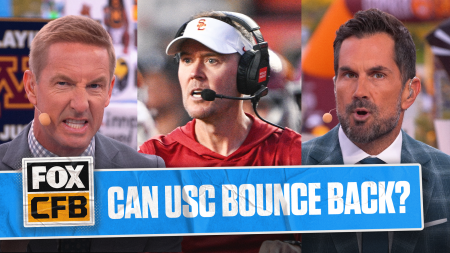
Former Notre Dame quarterback Joe Theismann expressed his disbelief at the decision, questioning not just his alma mater’s exclusion but also the inclusion of Alabama. “How could they be so wrong? I just find it hard to believe that you’re gonna put a three-loss team in the playoffs,” Theismann remarked. He pointed to an apparent inconsistency in the committee’s reasoning: if head-to-head competition was the decisive factor for Miami over Notre Dame, then why didn’t Florida State’s early-season victory over Alabama carry similar weight? The Irish’s losses to Miami and Texas A&M came by a combined four points, while Alabama suffered more decisive defeats, including a 21-point loss to Georgia in the SEC Championship. Theismann’s frustration was palpable as he stated, “Alabama being in this makes no sense.”
The committee’s decision-making process was explained by its chair, Hunter Yurachek, who also serves as the athletic director at Arkansas – notably an SEC school. Defending Alabama’s inclusion as the ninth-ranked team, Yurachek cited their “body of work” as sufficient justification despite their poor performance in the conference championship. Regarding the Notre Dame-Miami decision, he explained that after BYU lost to Texas Tech in the Big 12 Championship, the committee moved Miami ahead of BYU, creating the opportunity for a direct comparison between Miami and Notre Dame. When comparing these teams, Yurachek noted they appeared nearly equal across metrics including schedule strength and results against common opponents, which left the head-to-head result as the tiebreaker that favored Miami.
The playoff field included some surprise entries and notable exclusions. Tulane and James Madison made the cut as conference champions, while ACC champion Duke was left out. This underscores the evolving and sometimes confusing criteria used by the committee, where conference championships don’t automatically guarantee inclusion. The four-point total margin in Notre Dame’s two losses suggests they were competitive in every game, unlike some teams that made the field. This inconsistency in applying selection criteria has left many observers questioning the transparency and fairness of the process, especially when teams from certain conferences seem to receive preferential treatment.
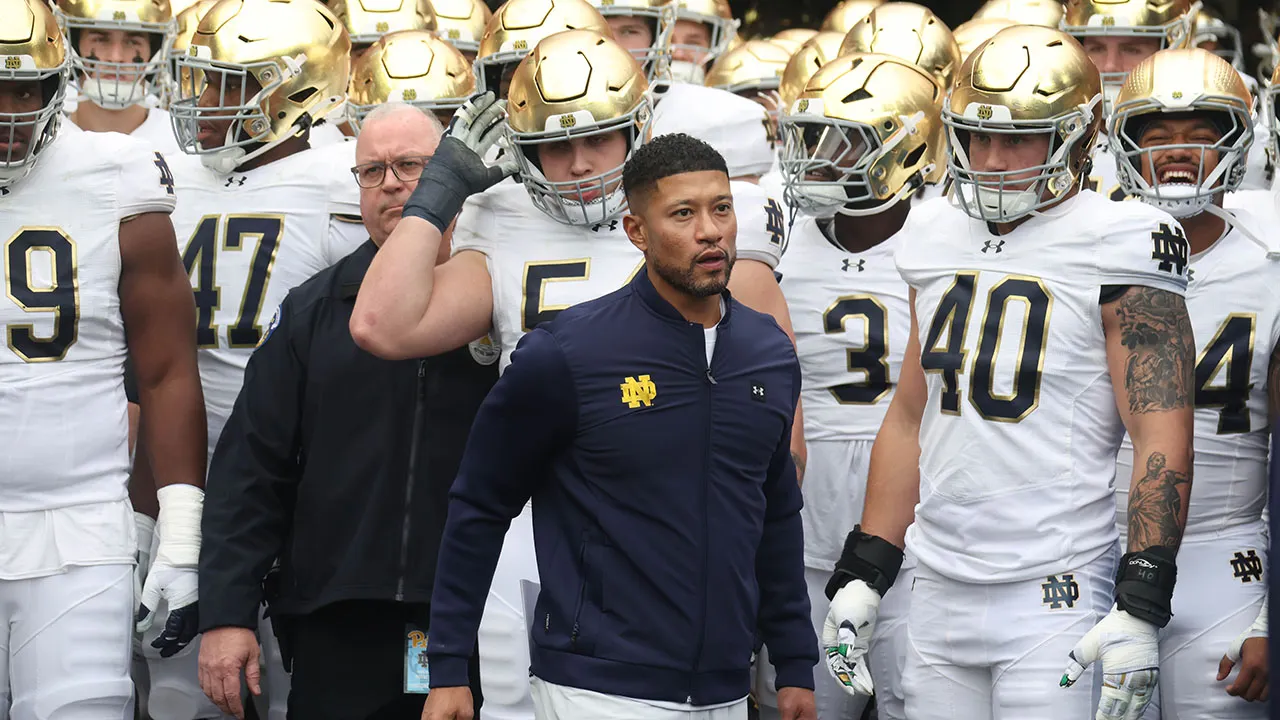
In response to their exclusion, Notre Dame made the uncommon but resolute decision to decline participation in any bowl game. This choice reflects both the program’s disappointment and their view that anything short of a playoff opportunity would be unsatisfying after their 9-3 season. Theismann fully supported this decision, stating, “I respect and admire the decision.” The move highlights the growing sentiment among top programs that non-playoff bowl games have diminished in significance, particularly for teams who feel they deserved a shot at the national championship. Notre Dame’s stance may represent a shifting attitude toward the traditional bowl system in the playoff era.
The controversy surrounding this year’s College Football Playoff selection illustrates the ongoing challenges in creating a fair and transparent system for determining the nation’s best teams. The expansion to 12 teams was intended to provide more opportunities and reduce controversies, but this year’s selections suggest that subjective judgments and potential conference biases remain influential factors. As college football continues to evolve with conference realignments and changing playoff formats, the debate over who deserves a chance to compete for the national championship will likely persist. For Notre Dame and their supporters, this year’s exclusion represents what they see as a flawed process that failed to properly value their season’s accomplishments, while raising questions about consistency in the application of selection criteria across all conferences and teams.