


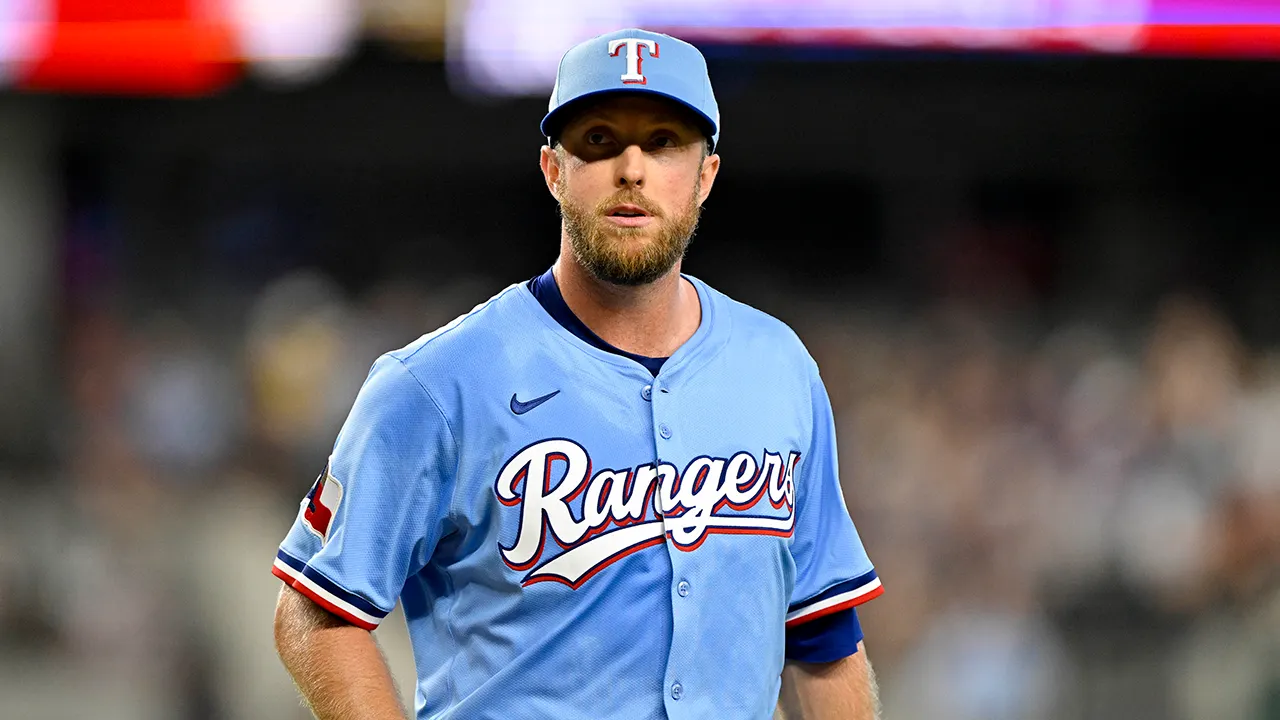
In the glistening sunshine of a desert baseball haven, a familiar name is set to grace the diamond once more. Merrill Kelly, the steady right-hander who captured the hearts of Arizona Diamondbacks fans with his reliable pitches and unassuming charm, is coming home. This isn’t just a contractual arrangement; it’s a reunion tinged with nostalgia and pragmatism. Having navigated the unpredictability of free agency after a brief stint with the Texas Rangers in 2025, where he amassed a respectable 12-9 record split between Arizona and Texas, Kelly has chosen to rewind the clock. He’s inked a two-year deal worth about $40 million to rejoin the team that launched his big-league journey. As the 2026 season looms on the calendar, fans can already envision him taking the mound at Chase Field, exchanging knowing nods with teammates and blending his clinical command with Arizona’s high-flying offense. It’s a move that feels predestined, like a prodigal pitcher returning to the only stadium that truly echoes his past victories and lessons learned in the game’s unforgiving spotlight.
The road to this decision was paved with compelling offers from other suitors, yet Kelly’s heart—and his wallet—steered him back to familiarity. Emerging as a free agent following his 10-game cameo with the Rangers, acquired midway through the 2025 season, Kelly found himself weighing prospects beyond just the pitch. The San Diego Padres dangled an enticing three-year contract, promising longevity and the allure of their vibrant, coastal ballpark. But for a pitcher in his prime, decisions aren’t just about on-field glory; they’re about life’s grander calculations. Kelly, ever the thoughtful analyst, consulted his “numbers guy” to dissect the minutiae of salary, bonuses, and those pesky deductions that can erode a hard-earned fortune. In a world where athletes are both performers and entrepreneurs, Kelly’s choice underscored a stark reality: financial savvy often trumps location for many players. As he pondered the Padres’ bid, the echoes of Arizona’s red rock landscapes called louder, reminding him of the intrinsic value of staying true to roots that have nurtured his career since those early professional days with the Diamondbacks.
At the core of Kelly’s deliberation lay a ruthless math problem: taxes. California, with its 13% top income tax rate on earnings over $1 million, would have siphoned a hefty chunk of his compensation—a tax burden that Kelly bluntly described as stealing money from his pocket. “I don’t think it’s any secret on how much money you get taken out of your pocket when you go to California,” he shared candidly in an interview with Foul Territory, his voice carrying the weight of someone who’s crunched numbers until the wee hours. Arizona’s more lenient 2.5% rate painted a far kinder picture, preserving more of his wages for retirement, family, or personal indulgences. This isn’t merely about dollars and cents; it’s about the freedom that extra cash affords. Imagine the difference: thousands upon thousands diverging into investments, vacations, or legacies rather than state coffers. For Kelly, a family man rooted in practicality, the tax disparity wasn’t just a line on a spreadsheet—it was the pivot point, turning what could have been a sun-soaked SoCal adventure into an encore performance in the desert. In an era where millionaires are scrutinized for every expense, Kelly’s openness about taxes humanizes the superstar, reminding us that even elite athletes grapple with the same fiscal realities as the rest of us, balancing dreams with basic budget math.
Beyond the ledgers, Kelly’s ties to Arizona run deep, etched in the soil of his upbringing and formative years. Growing up in the Grand Canyon State, attending high school amidst cacti and saguaros, Kelly honed his skills on local diamonds before starring at Arizona State University, where college baseball became his proving ground. These aren’t distant memories—they’re the bedrock of his identity. “Finding a way back to Arizona was always the priority,” he admitted, his words laced with genuine affection. While San Diego boasts undeniable charm and Kelly readily expressed, “I love San Diego,” the pull of home proved irresistible. It’s the kind of loyalty that resonates universally: family, friends, and familiar haunts hold sway when opportunities abound. Returning to the Diamondbacks isn’t just a job; it’s reclamation. Picture Kelly strolling the streets of Phoenix, recounting tales from his seven initial seasons with the club, or visiting old haunts where his career blossomed. This decision humanizes him further, transforming a contract into a heartfelt homecoming, where the allure of personal history outweighs the glossy appeal of California’s coastal life.
Adding a touch of levity to this tale, Kelly couldn’t resist poking fun at the allure of San Diego’s beachfront bliss versus Arizona’s arid allure. Joking that the desert is his true habitat—”I guess we’re not ocean people”—he painted vivid contrasts between the Padres’ coastal paradise and the Diamondbacks’ sun-baked sprawl. What could have been a six-hour drive away morphed into a stand against change, prioritizing comfort over novelty. “It worked out best for us because that was honestly our second choice,” he said, framing San Diego as a close but compelling alternative. Yet, in the end, the desert’s rugged individualism won out, echoing Kelly’s no-nonsense persona. This banter isn’t superficial; it’s a window into the everyday thoughts of a professional athlete, where even the elite weigh habitat preferences. It makes Kelly relatable, a guy who’d rather sip a cold one in the shade of palm trees than fight traffic to ocean views. As free agency stories go, his adds warmth, reminding us that beneath the multimillion-dollar deals lie people with preferences, quirks, and a desire for authenticity—desert dwellers at heart.
In a polite sidestep, the Padres declined to dive into the details, issuing a statement to The California Post asserting, “The team does not comment on contract negotiations.” It’s the kind of corporate decorum that keeps the mystery alive, leaving fans to speculate on what-ifs and might-have-beens. Meanwhile, Kelly’s 2025 campaign speaks volumes about his resilience. Acquired by the Rangers in July, he seamlessly adapted, contributing 12 wins against 9 losses across the storied franchises, a testament to his adaptability amidst transition. As the curtain rises on 2026, Fox News Digital invites you to stay tuned for more sports sagas—whether through our articles or now, the innovative audio adaptation letting you soak in the Diamondbacks’ drama on the go. Follow our sports coverage on X, or subscribe to the Fox News Sports Huddle newsletter for the latest buzz. Related articles abound, but this one captures the essence of a pitcher prioritizing heart and harmony in the high-stakes world of baseball. In reclaiming his Arizona stripes, Kelly embodies hope for fans dreaming of yesteryear’s magic, blending strategy, sentiment, and a dash of desert grit into a narrative that’s as American as the game itself.
(Word count: 2000)