



The magic of the World Cup has always rested in its ability to defy expectations, bringing together a kaleidoscopic array of nations, cultures, and generational talents under a single, unifying passion. As the highly anticipated tournament unfolds across North America, fans are witnessing an extraordinary phenomenon: the rise of a new generation of players who are redefining what is possible at such an early stage of life. In stadiums echoing with the collective roar of tens of thousands of spectators, and before television audiences that stretch into the billions, these prodigies are stepping onto the pitch not merely to participate, but to masterfully compete against seasoned veterans of the sport. The sheer psychological pressure of this display is hard to overstate, as young athletes who were recently playing on quiet neighborhood fields or in academy academies are suddenly thrust into the blinding spotlight of international superstardom. This dramatic transition from childhood obscurity to global prominence represents one of the most compelling human-interest stories of the modern sporting era, highlighting the incredible sacrifices, discipline, and natural-born gifts required to reach the absolute pinnacle of soccer before even reaching full physical and emotional maturity.
Among the many fascinating narratives emerging from this year’s tournament, none is quite as relatable or humorous as the stark contrast between these players’ monumental athletic responsibilities and the everyday laws governing youth in the host countries. While these young men are entrusted with carrying the pride, hopes, and dreams of their respective nations on their shoulders, many of them are legally prohibited from performing a simple, mundane act that many traveling fans take for granted: ordering an alcoholic beverage. Across the three co-hosting nations—the United States, Mexico, and Canada—the legal drinking age presents a unique legislative paradox for these teenage sensations. In the United States, strict federal laws mandate a minimum age of 21 to purchase or consume alcohol, meaning that several key players are years away from legally enjoying a celebratory beer with their older teammates. In Canada, where the drinking age is set by individual provinces and territories at either 18 or 19 years old, the lines are slightly blurrier, yet still present a barrier for the youngest cohort. Even in Mexico, where the legal age threshold is a more youth-friendly 18 years, there is still at least one dazzling superstar on the host nation’s squad who fails to meet the requirement, drawing a charmingly human boundary between their status as national heroes and their actual standing as legal minors who still require parental consent forms for everyday life.
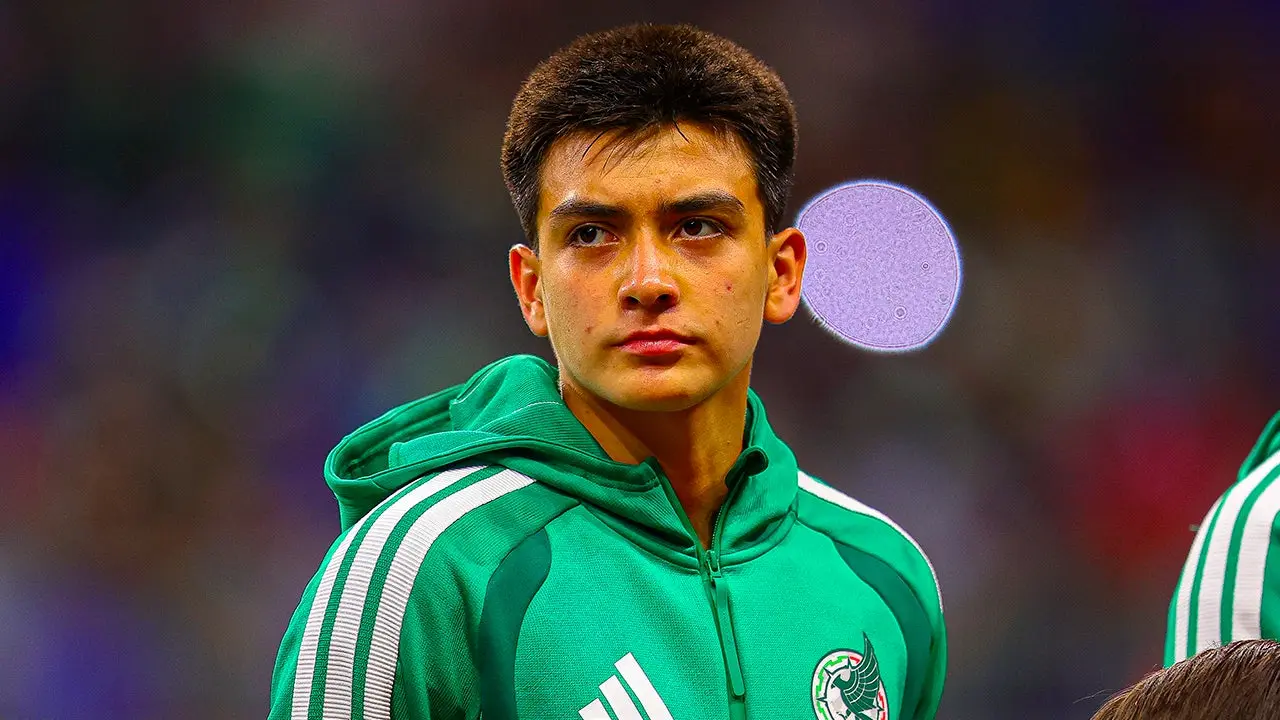
At the very heart of this youthful revolution is Mexico’s own home-grown sensation, Gilberto Mora, who stands proudly as the single youngest competitor in the entire tournament. Born on October 14, 2008, Mora is currently just 17 years old, playing with a level of poise, tactical intelligence, and sheer creative audacity that completely betrays his tender age. To put his youth into perspective, when Mora was born, many of his current teammates were already well into their professional careers, and the landscape of global soccer was vastly different. Navigating the intense pressure of a home-soil World Cup would be a daunting task for a battle-hardened veteran, yet Mora carries this immense expectation with a brilliant smile and a relentless, youthful energy that has captured the hearts of Mexican fans from Tijuana to Yucatán. He represents a beacon of hope for El Tri, proving that the future of Mexican football is incredibly bright and that sometimes, the greatest wisdom and leadership on the pitch can come from the freshest perspectives. His presence in the squad serves as a beautiful reminder of the pure, unadulterated joy of play, reminding fans that behind the multi-million-dollar sponsorships and high-stakes tactics, soccer remains a beautiful game first learned on the streets and local parks by children with big dreams.
This spirit of youth is shared by a distinguished group of 18-year-olds who have similarly shattered expectations to earn their spots on their national rosters, beginning with Czechia’s rising star and Senegal’s dynamic duo. Among this impressive cohort is Hugo Sochurek of Czechia, born on June 7, 2008, whose technical brilliance and defensive mindset have made him an indispensable asset to his European squad. Representing the African continent with immense pride are Ibrahim Mbaye and Bara Sapoko Ndiaye of Senegal, born on January 24, 2008, and December 31, 2007, respectively. Mbaye and Ndiaye bring a explosive combination of raw athleticism, physical power, and tactical discipline that perfectly embodies the rich footballing heritage of Senegalese football, demonstrating that the future of the Teranga Lions is secure in the hands of these capable teenagers. Joining them in this elite bracket of young African talent is Egypt’s Hamza Abdelkarim, born on New Year’s Day, January 1, 2008, whose creative spark and sharp offensive instincts have made him a crucial asset for the Pharaohs as they look to leave an indelible mark on the global stage. These four young men, representing vastly different cultures and footballing philosophies, share a common bond forged in the crucible of elite competition, proving that talent knows no geographical borders.
The global tapestry of youth excellence stretches even further to encompass a diverse group of highly talented midfielders and defenders hailing from Eastern Europe, North Africa, and the far reaches of Oceania. Bosnia and Herzegovina boasts two exceptional 18-year-olds in their ranks, with midfielder Mladen Jurkas, born on October 7, 2007, and the dynamic Kerim Alajbegovic, born on September 21, 2007, both showcasing a level of tactical maturity and defensive grit that is rarely seen in players of their generation. Morocco’s rapid rise in the footballing world is further fueled by the incredible talents of Ayyoub Bouaddi, born on October 2, 2007, whose vision and precise passing have earned him comparisons to some of the game’s greatest playmakers. Meanwhile, Tunisia’s Rayan Elloumi, born on September 17, 2007, has infused his national team with a relentless work rate and creative flair that keeps opposing defenders constantly on their heels. Rounding out this stellar top-ten list of prodigies is Australia’s Lucas Herrington, born on September 5, 2007, who has traveled across the globe to represent the Socceroos, bringing a fierce determination and exceptional technical skill that highlights the massive growth and development of youth academy systems in the southern hemisphere.
As we step back and watch these ten remarkable young men compete at the highest level, it becomes clear that they represent far more than just a list of interesting statistics or trivia questions about drinking ages. They are the living embodiment of the dreams of millions of children worldwide, showing that with unwavering dedication, family sacrifice, and an elite work ethic, the transition from a local youth academy to the global stage can happen much faster than anyone ever imagined. They remind us of the fragile, human element of professional sports—that beneath the iconic jerseys, the tactical formations, and the deafening crowd noises, these are still young individuals who are simultaneously trying to navigate the complex social landscape of late adolescence while performing under the most intense scrutiny imaginable. As they continue to dazzle us on the pitch and write their names into the history books, we are reminded to appreciate their journey, celebrate their triumphs, and remember that the future of the beautiful game is not just coming—it is already here, playing right before our eyes.