



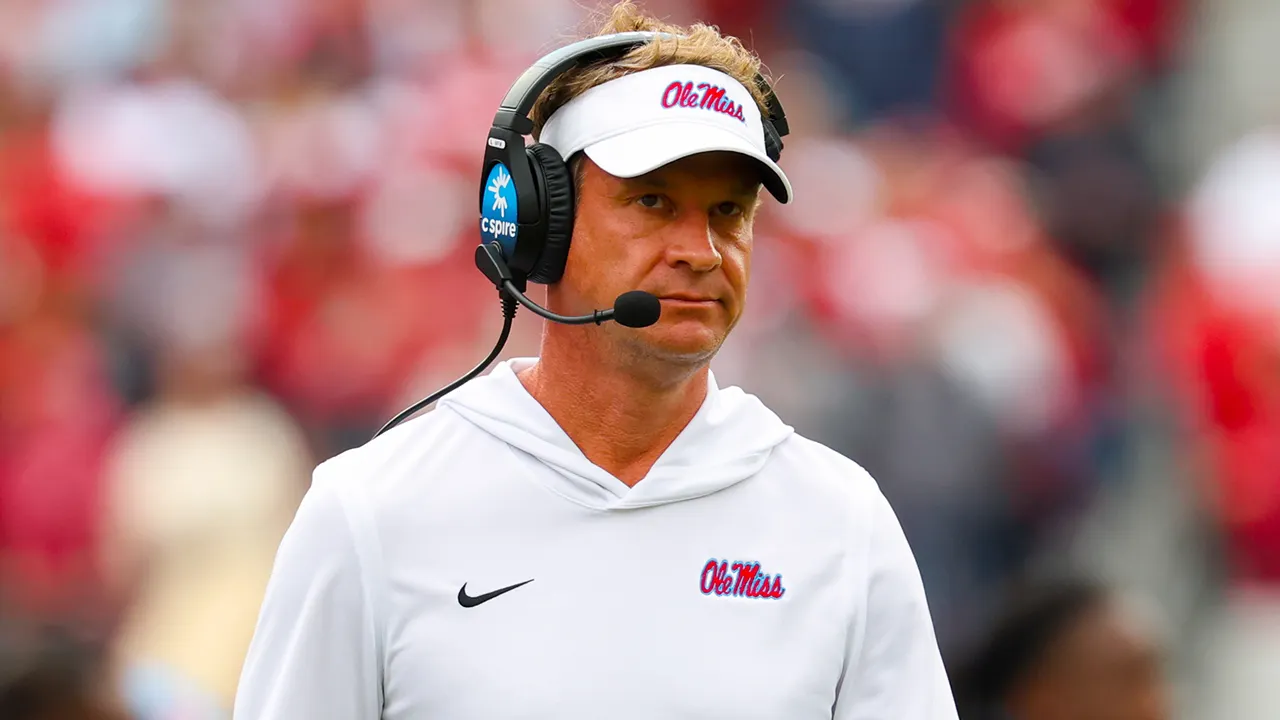
The Journey of Lane Kiffin: From Ole Miss to LSU
Lane Kiffin has officially been named the next head coach of the LSU Tigers, a significant move in college football that comes with both personal and professional implications. Despite leading the Ole Miss Rebels to a potential College Football Playoff appearance this season, Kiffin won’t be finishing what he started with the team. The transition speaks volumes about the business side of college athletics, where opportunities and timing don’t always align with the natural conclusion of a season. In an interesting financial arrangement, LSU has reportedly agreed to honor the bonus structure Kiffin would have received at Ole Miss for playoff success. This means if his former team makes it to the CFP bracket, Kiffin will still receive the $150,000 bonus for the first round appearance. The arrangement continues with escalating payouts: $250,000 for reaching the quarterfinals, $500,000 for a semifinal appearance, and $750,000 if Ole Miss reaches the national championship game. Should his former team win it all, Kiffin would receive a $1 million bonus – all paid by his new employer, LSU.
The coaching transition hasn’t been without emotional complications. Kiffin expressed his desire to finish the season with Ole Miss, especially with their playoff hopes still alive, but this request was denied by Ole Miss athletic director Keith Carter. While clearly disappointed by this decision, Kiffin publicly stated his respect for Carter’s authority in the matter, saying: “We went through a lot last night with Keith Carter trying to figure out a way to make this playoff run work and be able to coach the team. And at the end of the day, that’s his decision and I totally respect that.” This professional acknowledgment, coupled with his expressed wish for Ole Miss to “win the national championship” without him, reveals the complex emotions involved when career advancement intersects with team loyalty.
Before making his decision to accept the LSU position, Kiffin sought counsel from coaching legends Pete Carroll and Nick Saban, both significant mentors in his career development. The conversation with Carroll proved particularly meaningful, with Kiffin recounting: “My heart was here. But I talked to some mentors — coach Carroll, coach Saban. Especially when coach Carroll said, ‘Your dad would tell you to go. Take the shot.'” This reference to his father Monte Kiffin, a respected defensive coach, adds a deeply personal dimension to the career move. Kiffin also expressed regret about his brief one-year stint at Tennessee earlier in his career, suggesting that his four years at Ole Miss represented a more committed chapter that he could leave with greater pride, having achieved “the best regular season in the history of the school.”
The spiritual dimension of Kiffin’s decision-making process also emerged in his comments, with the coach stating that he “talked to God, and he told me it’s time to take a new step.” This reference to faith-based guidance offers insight into how many coaches approach major career decisions that impact not just themselves but entire university communities, staff members, and student-athletes. As Kiffin departs, Ole Miss has named defensive coordinator Pete Golding as his replacement, ensuring continuity for a program that still has significant achievements within reach this season, even as they navigate the emotional and practical challenges of a mid-season coaching change.
The financial details of Kiffin’s new position at LSU underscore the extraordinary economics of elite college football. Reports indicate he’ll earn approximately $13 million per season with the Tigers, making him the second-highest-paid college coach in America, behind only Georgia’s Kirby Smart. This represents a significant pay increase from his Ole Miss compensation and includes performance incentives that could make him the highest-paid coach in the country should he lead LSU to a national championship. Such figures reflect both the commercial value of college football and the immense pressure and expectations that accompany these high-profile positions. The structure of his contract—linking compensation to team success—aligns Kiffin’s personal interests with the competitive goals of the university.
This coaching transition highlights the evolving nature of loyalty and commitment in modern college athletics. While players remain restricted by transfer rules and eligibility limitations, coaches increasingly move between programs when opportunity calls, often regardless of season timing or competitive situations. Kiffin’s journey from Ole Miss to LSU exemplifies both the professional realities of coaching and the personal calculations involved in career advancement. As Ole Miss continues its season without him and LSU prepares for his arrival, fans and observers are reminded that college football exists at the intersection of education, business, sport, and personal ambition—a complex ecosystem where success is measured not just in wins and losses but in program building, financial growth, and the continuous pursuit of competitive advantage. The next chapters for both Kiffin at LSU and Ole Miss under new leadership will be closely watched as the consequences of this mid-season change unfold.