

The Shadows of Conflict Loom Over Iran’s World Cup Dream
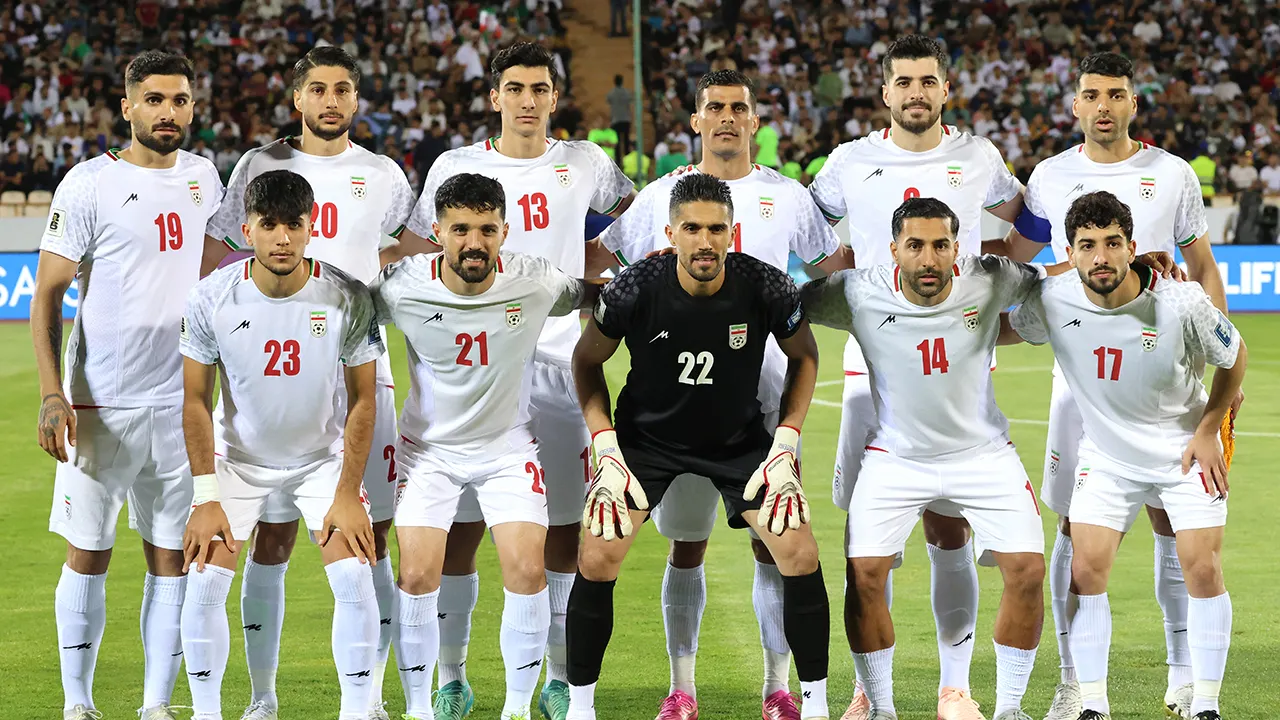
In the heart of a nation still reeling from the echoes of a devastating strike, Iran’s football federation is grappling with the harsh reality of an impending World Cup, scheduled to kick off amid geopolitical tensions. Iran, after qualifying for the 2026 FIFA World Cup hosted across the United States, Mexico, and Canada, was slated to begin its campaign in Group G against New Zealand at the iconic SoFi Stadium in Inglewood, California, on June 15. Yet, the excitement of participating in this global sporting extravaganza—where fans from around the world would unite under the banner of football—has been overshadowed by the pain of recent events. The United States-assisted Israeli airstrikes, which targeted Iranian military assets and infrastructure, have left a palpable sense of fear and anger in the air. Iran’s football federation president, Mehdi Taj, articulated this sentiment poignantly during an interview with sports portal Varzesh3, expressing how the strike on their homeland has robbed the nation of any optimistic outlook toward the tournament. “What is certain is that after this attack, we cannot be expected to look forward to the World Cup with hope,” Taj said, his words carrying the weight of a leader whose team represents a proud people caught in the crossfire. It’s a human story here—the dreams of young Iranian athletes, training for months to represent their country on a world stage, now tinged with uncertainty and sorrow. Families watching from afar, imagining the glory of their sons and daughters lifting the trophy, instead face the grim possibility of an event marred by bitterness. The World Cup, once a beacon of unity and joy, has become a symbol of division, reminiscent of how past conflicts, like those in previous tournaments, have tested the spirit of sportsmanship. Taj’s statement also hinted at the lingering fury, declaring that such an attack “will not go unanswered,” echoing the collective thirst for justice and retribution that often fuels national narratives during times of crisis. As ordinary Iranians mourned the losses—civilians and soldiers alike—the football community felt the reverberations, with players questioning whether their pitch could ever feel safe again, away from the ironies of playing in a country perceived as complicit.
This geopolitical storm intensified when Iran retaliated against Israel and regional allies, launching missiles and drones that struck not just military targets but also rattled the nerves of neighboring countries like Bahrain and Qatar. The cycle of violence has created a chain reaction, affecting lives far beyond the combatants—athletes, coaches, and fans now navigating a world where sports and security intertwine uncomfortably. Andrew Giuliani, director of the White House World Cup task force, attempted to lighten the mood on social media platform X, stating, “We’ll deal with soccer games tomorrow—tonight, we celebrate their opportunity for freedom.” His words, meant to showcase American resolve, contrast sharply with the Iranian perspective, where such rhetoric might sound insensitive to those burying loved ones or rebuilding shattered homes. FIFA, the global football governing body, announced it would closely monitor the situation with Iran, emphasizing safety protocols that could allow the team to participate as an exception under U.S. visa restrictions, especially since President Trump had previously referenced potential waivers for athletes and officials. Yet, for Iranians, this feels like a cruel irony—qualifying for a tournament in a host nation whose government played a role in the strikes that killed and displaced their people. Imagine the Iranian players, who embody the resilience of their culture through sheer determination on the field, now having to contemplate travel visas amidst a mourning period for Supreme Leader Ayatollah Ali Khamenei, a revered figure whose death has plunged the nation into 40 days of grief. During this time, no soccer training occurs, no drills or matches to hone skills; instead, the focus shifts to funerals and remembrance, underscoring how personal loss amplifies professional challenges. Stories emerge of Iranian families whose daily lives have been upended, from shopkeepers in Tehran closing early for safety to mothers in rural villages worrying about sons conscripted into service, all while trying to hold onto the simple joys of watching football as a distraction from war.
Amid Iran’s responses, the human cost unfolds dramatically, with Israeli families experiencing their own turmoil. The strikes claimed at least eight lives, including two children in a barrage that landed near Jerusalem, a heart-wrenching reminder of how warfare spares no one. One such incident in Beit Shemesh left communities in shock, shattering the false sense of security that many in the region cling to. Israel’s national gymnastics team, poised at the start of their international season, found themselves thrust into this chaos, suspending all training and activities. The Israel Gymnastics Federation released a somber statement, acknowledging that the ongoing security threats had led to “unavoidable disruptions,” forcing gymnasts to seek refuge in bomb shelters rather than perfecting their routines on mats. Picture the dedication of young Israeli athletes, who have sacrificed countless hours for jumps, twists, and landings—now huddled in shelters, the roar of sirens replacing the applause of crowds. A team source shared with reporters how the gymnasts are constantly on the move, their physical conditioning tested not by competition but by survival, highlighting the fragility of lives dedicated to excellence in sports. This disruption isn’t just logistical; it’s emotional, with coaches motivating through fear and parents sending anxious messages from far away, echoing themes of vulnerability that transcend borders. Gymnastics, often seen as an elegant pursuit of human potential, mirrors football in its demand for precision and courage, yet these athletes now face an adversary far more formidable than judges’ scores. The wider Israeli society feels the impact too—schools closing, businesses shuttered, and a collective exhaustion from years of tension, reminiscent of past conflicts like the 1973 Yom Kippur War, where arts and sports grounded people in normalcy. In these moments, sports become a lifeline, a way to reclaim humanity amidst devastation, but here, even that sanctuary is under siege, making one wonder how long the cycle of retaliation can continue without eroding the very spirit it aims to protect.
Delving deeper, the World Cup’s allure as a platform for diplomacy clashes with the harsh realities on the ground. For Iranian football fans, the tournament represents national pride—a chance to showcase their talent against the world’s best, from Messi-inspired Argentina to Brazil’s samba flair. Players like Sardar Azmoun, exiled after political fallout at home, symbolize the diaspora yearning for victory despite external pressures. Yet, Taj’s words unveil a deeper grief: families ensuring players travel safely, knowing U.S. borders remain restrictive for Iranian nationals, adding layers of anxiety. Stories abound of past Iranians at World Cups, like in 2022, where they cheered defiantly against England, their anthems a defiant cry for identity. Now, with mourning for Khamenei—whose policies shaped modern Iran—that defiance mingles with sorrow, as public gatherings, including soccer events, are paused. FIFA’s oversight, while reassuring, feels inadequate, with questions about travel waivers under Trump-era policies that once barred Iranians outright. Humanize this by considering the coaches and staff: men and women whose livelihoods depend on guiding young talent, now advising players on geopolitics as much as formations, turning strategy sessions into therapy for unresolved trauma. Acquaintances shared tales of Iranian expatriates in the U.S. preparing homemade welcomes, blending cultural fusion with calls for peace, proving that sports can foster unlikely connections even in enmity. Yet, the shadow of retaliation looms—missile exchanges that could escalate, potentially delaying travel or forcing cancellations—reminding us that in times of war, even the global stage of football isn’t immune to bullets.
Conversely, Israel’s gymnastics plight paints a parallel narrative of disrupted dreams. Athletes like Artem Dolgopyat, vying for Olympic glory, now navigate uncertainty, their federations balancing safety with ambition. The IGF’s admission of disruptions isn’t just about missed practices; it’s about mental health, as gymnasts cope with adrenaline-fueled fear rather than competitive thrills. Sources described makeshift gyms in shelters, where flips are rehearsed under dim lights, a testament to human adaptability. This ordeal connects to broader Israeli resilience—from Holocaust survivors rebuilding to innovators in tech—yet it exacts a toll, with reports of athletes suffering nightmares, family separations prolonged. Celebrities like gymnast Neta Rivkin, adored globally, expressed solidarity, humanizing the crisis through personal stories of loss during retaliation. The barrage near Jerusalem claimed innocent lives, prompting vigils and debates on how to protect the next generation—children now too scared to play outside, their innocence stolen by adult hostilities. Psychologists note the long-term effects: anxiety among youth, echoed in Iran’s mourning rituals, where collective grief binds communities but isolates individuals. In both nations, sports emerge as coping mechanisms, yet the current unrest threatens to break that illusion, forcing a reckoning with reality. Giuliani’s tweet, celebrating “freedom,” rings hollow here, as it overlooks the lived experiences of those under fire, underscoring how narratives can divide rather than unite.
Finally, as preparations halt and the world watches, one can’t help but ponder the hope buried beneath hostility. If Iran fields a team,exceptions could allow entry, offering a sliver of normalcy amid chaos. Taj’s resolve suggests the team might proceed, driven by the unbreakable spirit of their people—families rallying around athletes, sharing meals and stories to bolster morale. FIFA’s monitoring ensures pressure for diplomacy, potential allies urging restraint for the sake of sport. Yet, true resolution lies in dialogue, not arenas. Imagine a future where World Cups don’t just entertain but heal divides, where Iranian gymnasts and Israeli footballers compete collegially, their shared humanity prevailing over hatred. For now, though, the tales of strain persist: Israeli athletes seeking stability, Iranian players postponing pursuits, all yearning for peace. This isn’t just geopolitics; it’s lives intertwined, where one strike ripples into unanswered futures, begging the question—can sports ever transcend the very conflicts they aim to distract from? As tensions simmer, the human cost mounts, urging empathy and action before the next volley silences the applause for good.