



Controversy Overshadows Indiana’s Strong First Half in Championship Game
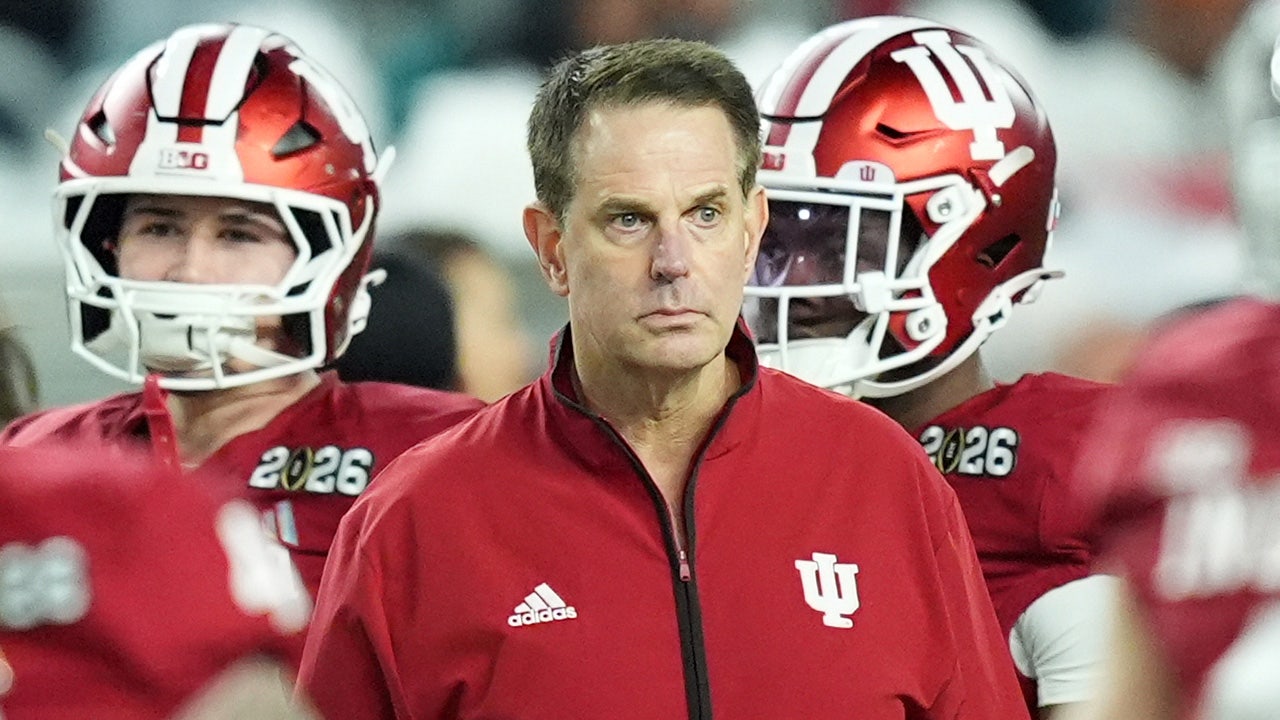
In a tense national championship showdown between the Indiana Hoosiers and Miami Hurricanes, head coach Curt Cignetti voiced significant frustration during his halftime interview with ESPN’s Holly Rowe. His concerns centered on what he perceived as clear officiating oversights regarding his star quarterback Fernando Mendoza, who was visibly bloodied following several hard hits from Miami defenders. “There’s three personal fouls on the quarterback not called in one drive,” Cignetti stated emphatically. “They need to be called because they’re obvious personal fouls. I’m all for letting them play, but when you cross the line, you gotta call it. They were black and white calls.” The coach’s passionate defense of his Heisman Trophy winner highlighted the physical nature of the championship contest and raised questions about player safety in high-stakes college football games.
Despite absorbing multiple punishing hits that Cignetti believed crossed the line into penalty territory, Mendoza demonstrated remarkable resilience and composure. The quarterback’s gritty performance helped establish Indiana’s 10-point advantage heading into halftime, as he completed 12 of 17 passing attempts for 116 yards. This efficiency in the face of intense defensive pressure showcased the mental toughness that helped earn Mendoza college football’s most prestigious individual honor. While the officiating controversy threatened to overshadow the game itself, Mendoza’s ability to maintain his focus and effectiveness despite the physical challenges demonstrated the qualities that had propelled Indiana to this unexpected championship appearance.
The Hoosiers built their lead methodically, beginning with a field goal in the first quarter that gave them an early advantage. Their offensive execution reached its peak midway through the second quarter when Mendoza orchestrated a scoring drive culminating in a touchdown run by Riley Nowakowski with approximately 6:13 remaining before halftime. This sequence extended Indiana’s lead to 10-0 and energized their sideline, giving the Hoosiers growing confidence that they could complete their improbable championship run. The controlled, deliberate offensive approach reflected Cignetti’s coaching philosophy and the disciplined game plan that had carried Indiana through their surprising season.
While Indiana established control on the scoreboard, Miami struggled to find offensive rhythm throughout much of the first half. The normally explosive Hurricanes offense managed just three first downs despite possessing the ball for nearly 12 minutes, highlighting the effectiveness of Indiana’s defensive strategy. Miami’s frustration peaked late in the second quarter when kicker Carter Davis’s field goal attempt struck the upright, leaving the Hurricanes scoreless at halftime. This missed opportunity seemed to encapsulate Miami’s first-half struggles and added to the mounting pressure they faced heading into the locker room trailing by double digits on college football’s biggest stage.
The championship matchup attracted considerable attention beyond the sports world, including the presence of former President Donald Trump among the spectators. This high-profile attendance further elevated the game’s visibility and underscored the cultural significance of college football’s premier event. While political figures regularly attend major sporting events, Trump’s appearance at this particular championship game added another layer of spotlight to an already intensely watched contest between two programs seeking their first national title in the modern era of college football.
As the teams headed into halftime with Indiana leading 10-0, the game remained very much in the balance despite the Hoosiers’ advantage. The officiating controversy introduced an additional storyline to monitor in the second half, particularly regarding how the referees would handle similar physical plays against Mendoza moving forward. For Indiana, the challenge would be maintaining their composure and execution while protecting their star quarterback, while Miami needed to find offensive solutions quickly if they hoped to mount a comeback. With thirty minutes of football remaining to determine the national champion, both coaching staffs faced crucial adjustments that would likely determine which program would claim college football’s ultimate prize and complete their fairy-tale season with the sport’s most coveted trophy.