


Heisman Runner-Up’s Frustration Sparks Controversy
In a contentious aftermath to the Heisman Trophy ceremony, Vanderbilt quarterback Diego Pavia’s explicit social media post directed at voters has ignited debate about sportsmanship at college football’s highest level. After finishing second to Indiana’s Fernando Mendoza in the prestigious award voting, Pavia expressed his disappointment with a profanity-laced Instagram story caption alongside a photo of his teammates, writing “F— all the voters.” This emotional outburst from a player who had boldly proclaimed himself “undoubtedly the best player in college football” throughout the season has drawn criticism from various corners of the sports world, including from at least one Heisman voter who publicly addressed Pavia’s conduct.
Chase Goodbread of The Tuscaloosa News didn’t mince words in his column responding to Pavia’s comments, calling it a “punk move” and suggesting the 6-year college veteran should have learned some humility during his extended collegiate career. Goodbread’s rebuke emphasized that Pavia’s maturity and accomplishments—including his legal victory against the NCAA for additional eligibility and subsequent NIL earnings—should have equipped him with better judgment. The columnist characterized Pavia’s reaction as “jackassery” and contrasted it with what he described as his own genuine congratulations for Mendoza, who secured a decisive victory with 643 first-place votes compared to Pavia’s 189, reflecting a substantial gap in voter support despite Pavia’s impressive season leading Vanderbilt to a 10-2 record.
Vanderbilt’s athletic director Candice Lee quickly addressed the situation with a measured statement acknowledging Pavia’s contrition while maintaining institutional standards. “Diego knows his actions were unacceptable, and he has apologized,” Lee told The Tennessean, adding that while the university has “nurtured and celebrated” Pavia’s authentic competitive nature, it “does not change the responsibility that comes with representing Vanderbilt University.” Her statement balanced support for the player with clear boundaries about acceptable behavior, emphasizing the institution’s commitment to “growth and accountability” as Pavia navigates the aftermath of his comments ahead of the team’s appearance in the ReliaQuest Bowl.
Pavia himself issued a formal apology on social media platform X, acknowledging his emotional mishandling of the situation and expressing “much love and respect for the Heisman voters and the selection process.” His statement included congratulations to Mendoza, whom he called “an elite competitor and a deserving winner,” while also recognizing finalists Jeremiyah Love and Julian Sayin. Pavia’s apology offered context for his reaction without excusing it, noting his lifelong experience of being doubted: “Every step of my journey I’ve had to break down doors and fight for myself, because I’ve learned that nothing would be handed to me.” He concluded by expressing gratitude for his support system and redirecting attention to his upcoming bowl game appearance.
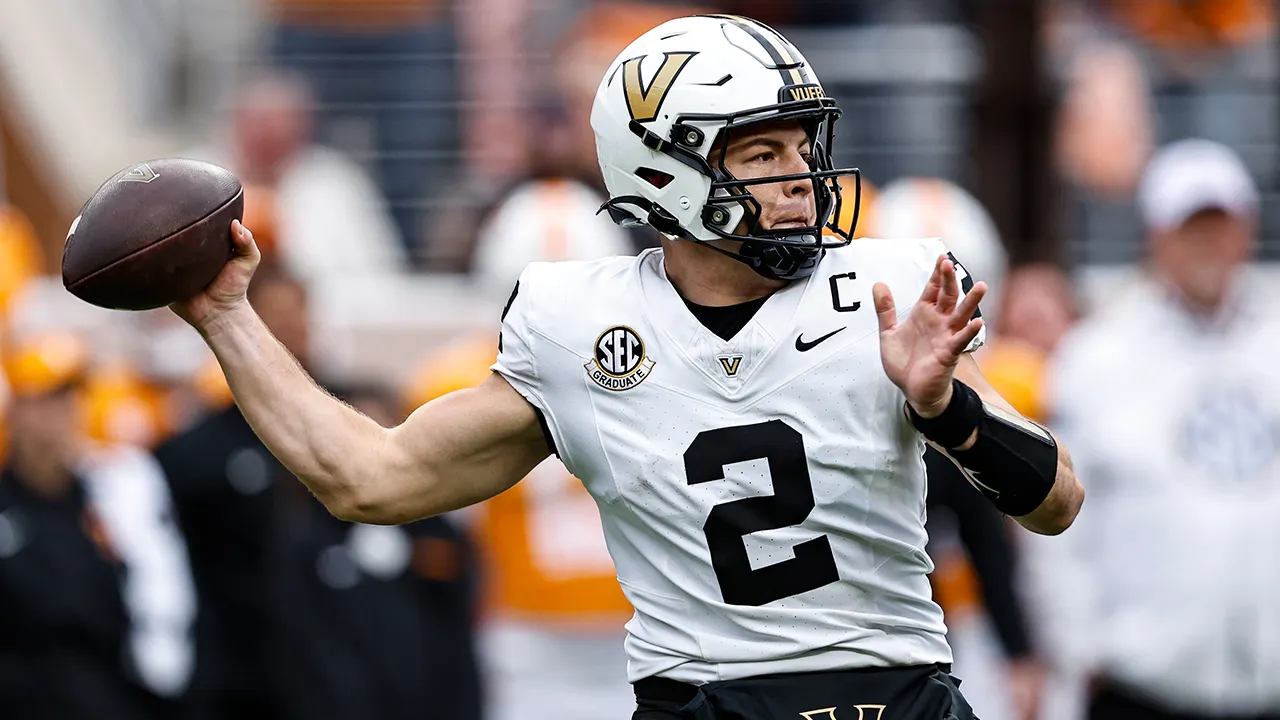
The quarterback’s journey to Heisman contention itself represents a remarkable story of perseverance. After transferring to Vanderbilt from New Mexico State, Pavia put together a standout season that saw him lead the SEC with a 71.2% completion rate while amassing 3,192 passing yards, 27 touchdown passes, and nine rushing scores. He added 826 rushing yards on 152 attempts, demonstrating dual-threat capabilities that helped elevate Vanderbilt to national prominence with a No. 14 ranking to end the regular season. Throughout the campaign, Pavia never lacked confidence, repeatedly stating his case for Heisman consideration in media appearances including an OutKick interview where he boldly asserted his self-perceived superiority, saying, “There’s two things that don’t lie to you: Numbers and tape.”
This controversy highlights the emotional investment athletes make in pursuing collegiate sports’ highest individual honor and the challenges of handling public disappointment in the social media age. While Pavia’s initial reaction revealed raw frustration inappropriate for the moment, his subsequent apology demonstrated awareness of his responsibility as a representative of his university. The incident serves as a reminder that even as college athletes gain unprecedented recognition, compensation, and platform through NIL opportunities and increased media exposure, the expectations for sportsmanship and professional conduct remain firmly in place. As Pavia prepares for his final collegiate game, this experience likely offers valuable lessons about handling both success and disappointment that will serve him beyond his playing career.