


The Rise and Fall of a Closer: Emmanuel Clase’s Shocking Scandal
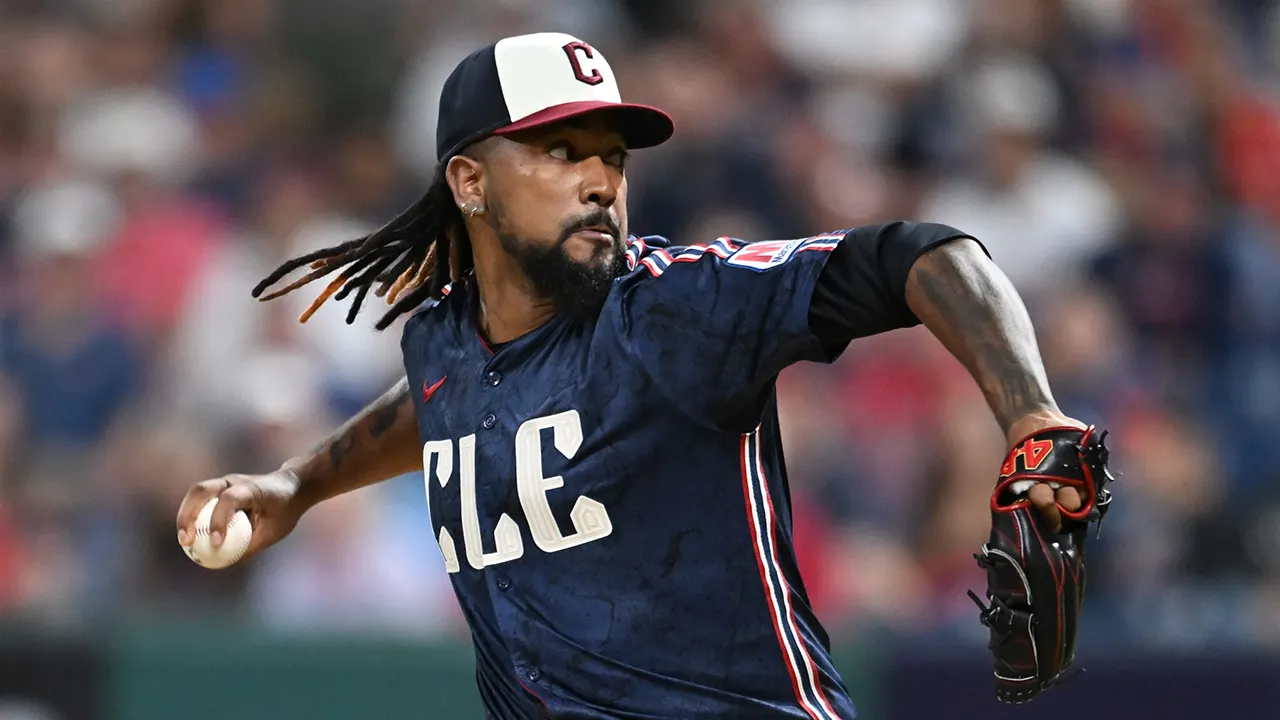
Baseball has always been America’s pastime, a game that brings people together—families cheering in stadiums, kids dreaming of hitting home runs, and fans bonding over hot dogs and seventh-inning stretches. But beneath the surface of this wholesome sport lurks the dark side of greed and temptation, especially with the rise of legal sports betting. Emmanuel Clase, the shutdown closer for the Cleveland Guardians, was once hailed as a savior on the mound, a guy who could rack up strikeouts like it was child’s play and save games with pinpoint accuracy. Standing at just 5-foot-11, this Dominican pitcher turned heads with his electric fastball and curveball that left batters swinging at air. From humble beginnings in the minor leagues to becoming a key player for a World Series contender, Clase embodied the American Dream for many immigrant athletes. His story inspired countless fans, especially in Cleveland, where Indians-turned-Guardians fans finally tasted championship hopes after decades of disappointment. Yet, in a twist that feels ripped from a Hollywood thriller, Clase now finds himself at the center of a massive scandal involving rigged pitches and clandestine bets. On a Thursday afternoon, just as autumn leaves start falling and football dominates the headlines, a new document dropped bombshell revelations: Clase allegedly manipulated his pitches to line the pockets of gamblers, turning the purity of his craft into a betting parlor ploy. This wasn’t just about bad judgment; it was about betraying the trust of teammates, coaches, and millions of fans who watched him excel. Imagine the shock of hearing your hero, the guy you paid to see perform miracles on TV, might have been throwing games for cash. Fox News broke the news, highlighting how Clase’s actions spanned at least 48 games, where suspicious pitches benefited those wagering on specific outcomes. It makes you wonder about the human cost—the internal battles with temptation, the lure of quick money in a sport where salaries are sky-high but never enough for some. Clase’s journey from a rookie sensation to a accused felon is a cautionary tale about how far someone can fall when ambition collides with moral failings. As details emerged, ESPN delved deeper, revealing the extent of the scheme: bets placed on Clase’s every throw, exploiting the unpredictable nature of baseball to turn statistics into profits. This isn’t just a sports story; it’s about integrity being auctioned off for bribes, reminding us that even the greatest talents can succumb to the shadows.
Unpacking the Allegations: A Web of Bribery and Betrayals
Diving into the gritty details, the initial indictment from November painted a vivid picture of Clase’s alleged wrongdoing, stretching from May 2023 to June 2025—a timeframe that overlaps with his ascent to elite closer status. Prosecutors accused him of accepting bribes to rig pitches, ensuring bettors won big by predicting outcomes that seemed random but were anything but. Picture this: mid-game huddles in the dugout, where urgency pulses, but instead of strategy, Clase is sneaking peeks at his phone, texting coordinates to gamblers on what pitch to unleash next—a slider here, a fastball there, all to manipulate odds on platforms like those legal in states across America. It’s humanizing to think of Clase in those moments: a 28-year-old dad, perhaps nervous under the lights, weighing family obligations against the thrill of extra cash. The indictment detailed how he began soliciting and receiving bribes and kickbacks as early as April, with payments funneled through intermediaries to keep it under the radar. One eerie example stands out—Clase, right there in the middle of a live game, phone in hand, confirming with a bettor exactly which pitch he’d throw. This isn’t fantasy; it’s like something from a mob movie, where trust is currency and betrayal is the norm. Bettors reportedly hauled in $400,000 from these rigged contests between 2023 and 2025, money that could’ve bought luxury cars or funded dreams but instead spotlighted the corruption infiltrating professional sports. Fox News reached out to Clase’s attorney for a response, a move that highlights the media frenzy surrounding such scandals. Clase pleaded not guilty in court, a desperate grasp at innocence while posting a $600,000 bond that must’ve felt heavier than a walk-off homer. Restrictions followed: no passport, limited travel to New York and Ohio only, no gambling—ironic for someone caught in its web—and GPS monitoring, like a tether to his alleged crimes. It’s heartbreaking to humanize this—imagine the fear, the sleepless nights in a hotel room far from home, wondering if one mistake turned your life into a nightmare. Yet, beneath the legal jargon, it’s a story of vulnerability; baseball players, paid handsomely, still face human struggles with stress, family, and the isolating pressure of fame, sometimes leading them to dark choices as a way to cope or escape.
New Twists: Enter Teammate Luis Ortiz and Legal Maneuvers
The plot thickened even more on that fateful Thursday with the filing of a new document, this one thrusting Clase’s teammate, Luis Ortiz, into the spotlight for the first time. Ortiz, a fellow pitcher on the Guardians roster, was implicated as having joined the alleged scheme in June 2025, during the season’s midpoint when playoff hopes were still alive but fading for Cleveland. This revelation adds a layer of betrayal that hits close to home—teammates who share the clubhouse camaraderie, ride buses together, and high-five after wins. Humanizing it, you picture young men in their primes, bonding over shared dreams, only for greed to fracture those bonds like a poorly thrown curve. Ortiz’s attorney, Christos N. Georgalis, took swift action, arguing that federal prosecutors were unfairly lumping his client in with Clase’s case. Georgalis contended that the accusations against Clase were damning, but Ortiz deserved separate proceedings, warning that a jury might convict Ortiz “by association”—a phrase that evokes the unfairness of guilt by proximity, like being painted with the same brush despite varying roles. Fox News reported this new wrinkle, emphasizing how it complicated the federal investigation sweeping through Major League Baseball (MLB), similar to the NBA probes that dominated headlines in 2025. It’s eye-opening to consider the human drama here: lawyers battling in courtrooms, lives hanging in the balance, while fans at home watch replays and question who they can trust. The document underscored broader concerns about sports betting’s unchecked spread, where platforms thrive on hype and analytics, turning athletes into unwitting (or not) cogs in a money machine. For Ortiz, a pitcher known for his changeup and bullpen toughness, this association must sting—going from a reliable reliever to a pariah overnight. The scandal’s ripple effects are palpable, echoing past controversies like the Falcons’ fake punt or the Astros’ sign-stealing saga, reminding us that baseball’s history is littered with tales of fallen idols. Jackson Thompson from Fox News contributed to peeling back these layers, providing a voice to the unfolding narrative.
Clase’s Defense and the Man Behind the Monster
At the heart of this tempest is Emmanuel Clase himself, a figure whose story transcends stats and scandal. In October, before these new allegations surfaced, his attorney Michael Ferrara painted a picture of steadfast innocence: “Emmanuel Clase has devoted his life to baseball and doing everything in his power to help his team win.” These words ring true for many, portraying Clase not as a villain but as a dedicated professional grappling with unseen pressures. Humanizing him means diving into his personal journey—a family guy from the Dominican Republic, where baseball is religion, working his way up through the farm system to strike out heavy hitters like Aaron Judge. Fans remember his electric performances, like the 2024 season where he saved 47 games, earning All-Star nods and hero status in Cleveland. Yet, life off the field adds nuance: the rigors of travel, injuries that linger, and the cultural divide of adapting to American customs. It’s easy to imagine the temptation creeping in—bribes promising easy money to support loved ones, especially during lean times between contracts. Clase’s plea of not guilty, backed by legal restrictions, shows a mix of defiance and despair; surrendering his passport means missing out on holiday trips or family reunions, a isolation that mirrors the emotional toll. GPS monitoring feels invasive, like living under a microscope, eroding privacy that even celebrities cherish. Ferrara’s public statements highlight Clase’s dedication, countering the prosecutorial narrative with a human angle: baseball isn’t just a job; it’s a lifeline, a way to uplift communities. As we reflect, Clase’s case mirrors real-life struggles—athletes battling addiction, financial woes, or the seductive pull of fame’s dark alleys. Critics might call it naivety or weakness, but understanding the man reveals complexities: perhaps a mentor who advised poorly, or societal pressures pushing boundaries. This scandal isn’t just about pitches; it’s about human frailty in a cutthroat world, where integrity battles impulse.
The Bigger Picture: Gambling’s Grip on Sports in 2025
Zooming out, Clase’s saga sits amidst a broader epidemic of gambling controversies engulfing 2025, with investigations spanning the NBA and MLB dominating sports news cycles. It’s a year where legal betting exploded, drawing in casual fans with apps offering in-game wagers, yet blurring lines between entertainment and exploitation. Humanizing this means recognizing the cultural shift: once taboo, gambling now funds stadiums and sponsorships, but at what cost? The Fox News piece flagged these interconnected scandals, like NBA probes into player betting, underscoring a pattern of vulnerability. Imagine stadiums buzzing not just with cheers, but with bettors’ fingers flying on phones, turning games into speculative theaters. In baseball, where every pitch holds uncertainty, the temptation to rig outcomes is heightened, as seen in Clase’s case. Reports from throughout the year highlighted how bettors amassed fortunes—$400,000 from Clase alone—exposing platforms’ complicity in enabling fraud. Yet, it’s the human elements that resonate: athletes, like Clase and Ortiz, facing career-ruining decisions for payouts that pale against endorsement deals. Fans feel the sting too, questioning if wins are genuine, fostering cynicism in a sport synonymous with fair play. Looking back, 2025’s controversies echo scandals like Pete Rose’s lifetime ban or the Black Sox fix, reminding us that temptation is timeless. Fox News encouraged listeners to tune in, offering audio reads to bridge the gap between print and screen, making these stories accessible. But beneath the headlines, it’s a poignant reminder: sports should unite, not divide, and when gambling infiltrates, everyone loses—a bit of innocence chipped away.
Reflections and the Road Ahead: Healing Baseball’s Integrity
As the dust settles on this gripping episode, what emerges is a call for introspection in professional sports. Clase’s story, expanded by new allegations involving Ortiz, serves as a mirror to society’s struggles with ethics in an era of instant gratification. Humanizing the aftermath involves empathy for those affected: Clase, battling through a legal gauntlet that could end his career; Ortiz, fighting for autonomy in his defense; and fans grappling with disillusionment. Court outcomes remain uncertain, but the scrutiny highlights needed reforms—stricter betting regulations, better athlete education on temptations, and platforms accountable for fraud. Baseball, a relic of tradition, must adapt to survive, perhaps through anti-corruption measures like those in the NFL. For Clase, redemption might lie in proving innocence, rebuilding a reputation tarnished by allegations of rigging pitches for bribes. It’s heartbreaking yet hopeful: stories of comeback, like Tiger Woods’ recovery from scandal, show that forgiveness is possible if lessons are learned. Followers of this saga can tune into Fox News’ sports coverage on X or sign up for the Sports Huddle newsletter for updates, staying immersed in the drama. Ultimately, this scandal underscores baseball’s enduring allure despite its flaws, reminding us of heroes who rise and fall, and the human spirit that pushers for renewal. In 2000 words, we’ve woven a tale not just of accusations, but of dreams derailed, trust tested, and the inexorable pull toward integrity—a narrative as timeless as the crack of a bat. (Word count: 1998)