


The Rise of a Baseball Phenom
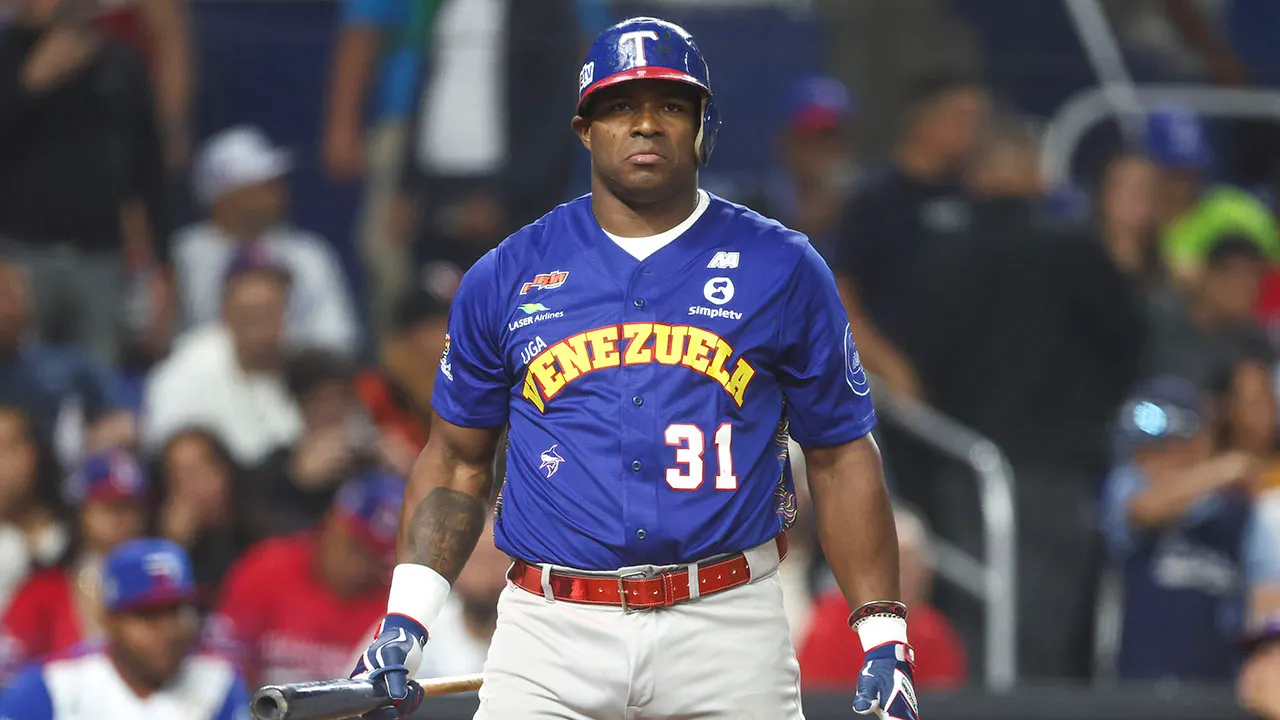
Yasiel Puig burst onto the baseball scene like a wildfire in 2013, signing with the Los Angeles Dodgers after defecting from Cuba in a daring escape that involved hiding in a closet during a boat journey across choppy waters. At 21, he was an instant sensation—powerful, charismatic, and raw in his talents. Standing at 6-foot-2 with a rocket arm and a menacing swing, Puig smashed 132 home runs and drove in 415 runs over his career, earning an All-Star nod in 2014. Fans adored his exuberant personality; he’d flash his signature smile after clutch hits, pump his fist as if celebrating a revolution, and even slide headfirst into bases with reckless abandon. But beneath that flashy exterior dwelled a man grappling with the pressures of fame, far from home, and undisclosed struggles. Off the field, Puig’s life wasn’t all Dodgers’ blue; he battled language barriers, cultural shocks, and the isolation of living in a foreign land without family ties. English came haltingly to him, his third-grade education from Cuba leaving gaps he couldn’t fill. By 2019, after bouncing between teams like the Cincinnati Reds and Cleveland Indians, Puig vanished from MLB. His final major league game was a quieter end to a once-roaring career, leaving whispers of what went wrong. Little did anyone know that under the stadium lights hid a shadow: an obsession with gambling that would shatter his legacy and land him in a federal courtroom, facing up to 20 years behind bars. Puig, now 35, once the darling of Dodger Stadium, had become the accused, his story a cautionary tale of how easy it can be to spiral when wealth and fame collide with human vulnerabilities.
The Allure of the Illegal Bets
It started with small wagers, a thrill-seeking outlet for Puig during the off-season of 2018-2019. Tennis matches, football games, basketball playoffs—these weren’t just spectacles; they were opportunities to chase highs Puig couldn’t find in endorsements or rehab sessions. He racked up over $280,000 in losses in just a few months, betting through channels connected to Wayne Nix, a shadowy former minor league player turned kingpin of an underground gambling empire. Nix ran betting sites like hidden dens of vice, attracting athletes and coaches alike with promises of easy money and discretion. For Puig, it mirrored his Cuban roots, where backroom deals and risks were commonplace. Donny Kadokawa, a Hawaii coach with ties to both Puig and Nix, testified in court about the operation’s intricacies, describing bets placed on sports Puig didn’t even watch live, but through a third party funnel. Authorities painted a picture of a syndicate: Nix’s associates taking bets, laundering money, and enticing those like Puig who were lured by adrenaline. Puig had played for Nix’s amateur team once, a nod to old baseball camaraderie that masked the crime. In his plea deal in August 2022, Puig admitted lying to FBI agents about knowing the bets were illegal, but he claimed ignorance of Names like Kadokawa and Nix swirled in testimony, humanizing the operation as a fraternity of flawed men chasing thrills. Puig’s involvement wasn’t born of malice, prosecutors argued, but of naivety—yet the debts mounted, paid back in ways that implicated him deeper. For a man who escaped poverty and totalitarianism, the bets felt like freedom, until they caged him.
The Plea Reversal and a Quest for Innocence
For a brief moment in 2022, Puig seemed to capitulate. Facing a felony charge of deception to federal investigators, he pleaded guilty in a courtroom filled with the weight of his past. “I was wrong,” he might have thought, head bowed as attorneys outlined the case: lies about not knowing the gambling ring’s nature, debts settled secretly, at least 900 bets funneled through Nix’s web. But months later, in a dramatic reversal, Puig flipped the script. “I want to clear my name,” he declared in a statement, his voice steady despite the third-grade education that left him reliant on interpreters. New evidence, his attorneys claimed, proved he hadn’t knowingly misled anyone. They pointed to his initial 2022 interview with feds—an unrepresented Puig without an interpreter, his mind clouded by untreated mental health issues. Anxiety, perhaps even depression, plagued him post-career, exacerbated by loneliness in a new country. Puig, the kid from Cienfuegos who fought to reach America, felt the system stacked against him. His team argued the government couldn’t prove intent, that Puig’s denials stemmed from confusion, not deceit. Keri Curtis Axel, his firebrand attorney, vowed to file motions to overturn the plea. “We’re fighting for justice,” she said, her passion echoing Puig’s own. This wasn’t just a case to them; it was redemption for a man haunted by the ghosts of his escape, who believed gambling was a harmless vice not a crime. In a field of seasoned lawyers, Puig’s reversal added human drama—a once-dominant hitter fighting an uphill battle, powered by a desire to reclaim his dignity.
The Trial: Voices from the Graveyard of Lies
The courtroom buzzed with tension during the weekslong trial in 2024, a spectacle that unearthed Puig’s world. Prosecutors, armed with evidence, played audio clips that felt like ghosts whispering confessions. Puig’s voice, accented and halting, denied knowledge of Nix’s operation—denied knowing the man who took his bets, denied the debts that drained his earnings. Expert witnesses dissected Puig’s cognitive state, testifying on how language barriers and limited education might have warped his statements. One psychologist described Puig as sharp in baseball instincts but faltering under pressure, his untreated mental health potentially clouding memory. MLB officials took the stand too, recounting Puig’s popularity and fall, painting him as a prodigy turned problem child. Kadokawa, the Hawaii coach with personal stakes, detailed the gambling nexus, his words laying bare networks of coaches and players ensnared by bets paid in cash or favors. The jury listened, faces impassive, as stories unfolded: a Cuban defector lured by the American dream, only to find its underbelly. Puig sat silently, his eyes occasionally darting to family, perhaps replaying his life—the cheering crowds in Dodger Stadium, contrasting the sterile courtroom. The government argued intention: Puig misled agents to protect himself, knowing full well the stakes. Yet, empathetically, one could see his perspective—a man isolated, betting for excitement rather than ruin. The trial humanized gambling’s grip, showing how it preys on the vulnerable, turning heroes into suspects. Puig’s attorneys countered with heart-wrenching pleas: no translator? No counsel? It screamed unfairness. As days passed, the narrative shifted from sport to survival, Puig’s fate hanging on interpretations of truth.
A Defense Built on Humanity’s Fragility
Puig’s team didn’t paint him as a villain but a victim of circumstance, their case a tapestry of his life’s trials. With only a third-grade education, Puig communicated through broken English, his interviews with investigators marred by absent interpreters. “He couldn’t articulate his thoughts,” Axel argued, highlighting untreated mental health struggles—depression that simmered beneath his flashy facade. Experts testified to Puig’s cognitive limitations, suggesting his “lies” were misunderstandings, not deceptions. Mentally, he grappled with post-career voids; after 2019, no MLB calls came, so he ventured to South Korea’s Kiwoom Heroes, chasing baseball’s magic in a foreign land again. His attorneys portrayed the gambling as impulsive, not criminal masterminded—a coping mechanism for fame’s toll. Prosecutors pushed back, but Axel’s motions post-trial aimed to expose flaws in the process: biased questioning, lack of support. Puig’s life story softened the edges; defecting from Cuba involved smuggling himself out, hiding to evade capture, a testament to resilience that gambling threatened to extinguish. Kadokawa’s testimony added layers, implicating coaches but underscoring camaraderie. Puig’s plea reversal stemmed from “new evidence,” likely medical records or recordings revealing duress. Humanly, Puig strove for innocence: “I never committed this crime,” he insisted, his voice carrying echoes of a lost boy. Defenders urged empathy, reminding jurors that Puig contributed to baseball’s joy—home runs that united fans. His face, once beaming on highlights, now bore fatigue, yet willpower burned. This trial wasn’t just legal; it questioned society’s treatment of immigrants rising from hardship. Axel’s words resonated: “We look forward to clearing Yasiel’s name.” For Puig, it was personal—a fight to reclaim not just freedom, but identity.
Sentencing Ahead and Reflections on a Shattered Legacy
As the jury delivered its guilty verdict on Friday, Yasiel Puig’s world shattered anew. Up to 20 years in prison loomed, sentencing slated for May 26, a date that hung heavy like a funeral bell. The U.S. Attorney’s Office announced it triumphantly, but Puig’s supporters mourned a ravaged reputation. From MLB All-Star to federal convict, his arc epitomized baseball’s dark undercurrents: athletes enticed by fast money, devoid of guidance. Puig’s inability to speak appeared in court, his third-grade education a badge of humble origins that prosecutors used against him. Yet, his attorney’s promise of appeals flickered hope; “We’ll fight every motion,” Axel declared, vowing to unveil prosecutorial overreach. Puig, 35, reflected on a life of contrasts—freedom’s flight from Cuba, fame’s embrace in LA, gambling’s chokehold. Off the field, stories emerged: charitable donations in his homeland, struggles with identity in exile. Kadokawa and Nix’s roles added intrigue, but Puig’s humanity shone through— a man who loved baseball fiercely, bet recklessly. Legal battles notwithstanding, Puig’s friends whispered of redemption. One imagined his post-career: perhaps coaching, teaching Cubs the game’s heart. The trial exposed systemic issues for athletes: mental health neglect, exploitation. Puig’s case joined others like Emilio Clase’s arrest, highlighting MLB’s gambling plague. As details leaked—The New York Times dissecting cognitive experts, AP chronicling Puig’s past—empathy grew. Was this justice, or tragedy? Puig’s fans on social media rallied, humanizing him beyond headlines. In the end, Puig’s story endures as a warning and wail—a talent lost, a soul seeking salvation. With appeals pending, Puig’s fate unwrites itself, a chapter unfinished in America’s pastime.