


The Unfolding Saga of Bill Belichick in Chapel Hill
Imagine kicking off another football season where the air is thick with anticipation and a hint of trepidation. That’s the vibe in North Carolina right now, as the Tar Heels gear up for their second year under Bill Belichick, the legendary coach who won seven Super Bowls with the New England Patriots. Less than two weeks out from summer camp, the program is buzzing, but it’s not just about plays and practices—there’s a whole human drama unfolding off the field that has everyone talking. Belichick, at 73, brought his playbook to Chapel Hill after decades of dominating the NFL, but his first season was a mixed bag: a respectable 4-8 record on paper, yet overshadowed by controversies that felt more like a soap opera than a college football story. Fans and alumni are divided, some excited about the potential under a coaching genius, others wary of the distractions that made headlines way more than touchdowns.
Diving deeper, Belichick’s arrival was supposed to inject renewed energy into the Tar Heels program, which had been searching for direction after a series of disappointing seasons. With his strict discipline and relentless work ethic, many thought he’d turn things around quickly. On the field, it was okay—wins against teams like-redux-and even a bowl game—but the off-field noise drowned it out. There were whispers and outright accusations about interference in team operations, personal life entanglements, and a sense of unease that rippled through the community. It wasn’t just pro gossip; it affected how people viewed the whole operation. Imagine a coach known for winning “at all costs” in the NFL now navigating the spotlight of college sports, where parents, students, and alumni have a closer watch. The 4-8 finish left room for optimism, but the controversies hinted at deeper issues, like a team struggling to gel both on gridiron and in the locker room. Belichick’s aura as a football icon collided with the intimacy of college culture, creating conflicts that no playbook could resolve.
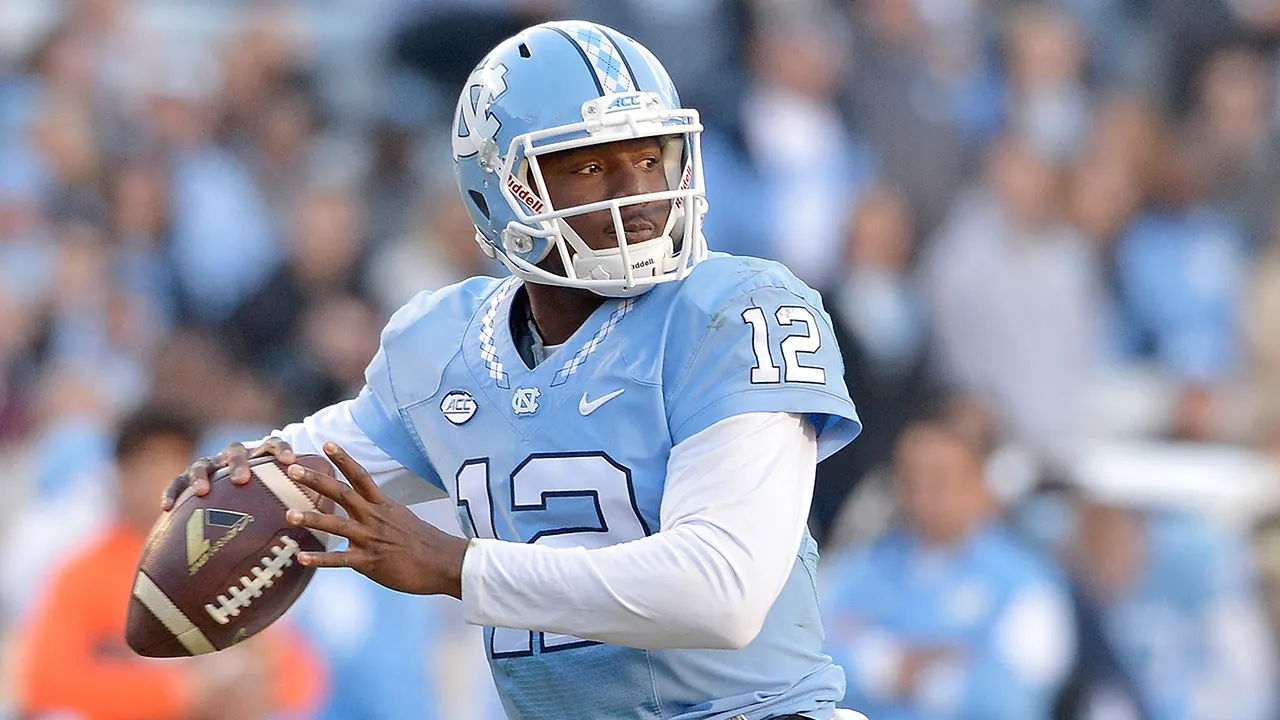
This offseason, the drama escalated when a prominent Tar Heels alumnus decided to step away from the games entirely. Marquise Williams, a beloved figure who earned All-ACC honors during his four-year stint at UNC from 2013 to 2016, posted a bombshell statement on X (formerly Twitter) this week. “I will not be attending any UNC football games this year! The things I’m hearing man I would have never thought,” he wrote, capping it with a broken heart emoji. Williams, who still calls North Carolina home and currently serves as the quarterbacks coach at Louisburg College, ranks sixth on UNC’s all-time passing yards list—a stat that speaks to his deep ties to the program. His announcement wasn’t just a passing remark; it signaled frustration and hurt, leaving fans and fellow alumni wondering what exactly prompted such a decision. Was it the rumored chaos, the personal intrusions, or something more? Williams didn’t specify, but his words carried the weight of someone truly invested in his alma mater, a former QB who led drives with precision now turning away from the sidelines. It’s a human moment that underscores how these controversies aren’t abstract—they touch real people who bleed black and blue for UNC football.
At the center of much of the chatter is Belichick’s 24-year-old girlfriend, Jordon Hudson, whose presence has sparked a whirlwind of speculation. It all kicked off during a memorable “CBS News Sunday Morning” interview last season, meant to promote Belichick’s book, “The Art of Winning — Lessons from My Life in Football.” In the clip that went viral, Hudson seemed to interject or guide Belichick’s responses, raising eyebrows about her influence. Was she steering the ship behind the scenes? Questions swirled about whether she had a say in football decisions, blurring lines between personal and professional lives. Hudson, with her own background as an entrepreneur and social media personality, clearly navigated the spotlight with poise, but the episode painted Belichick in a new light—one less like the stern, solitary genius, and more like a man in a relationship that might be affecting his coaching autonomy. For a guy who built his reputation on control and separation from drama, this felt ironic and exposed. It humanized him in ways fans hadn’t seen; after all, even legends have partners who get involved in the narrative. The controversy didn’t just fade; it lingered, fueling narratives that Hudson was more than a supportive figure—perhaps a gatekeeper to the great coach himself.
Trying to steer the ship through these stormy waters is UNC football general manager Michael Lombardi, who recently sat down for a candid chat on the “Pat McAfee Show.” He vehemently defended the program, describing how the team weathered “stormy times” with players holding strong despite what he called “fake rumors and fake stories” attacking from every angle. “All during those stormy times, all during when the boat was getting capsized, when people were attacking us with fake rumors and fake stories all over—nobody’s corrected them yet, but that’s OK, we understand—our players hung together,” Lombardi said, emphasizing unity in the face of adversity. It’s a powerful statement from someone who’s seen the NFL trenches firsthand, possibly hinting at tolerance for media scrutiny as par for the course in high-stakes football. Lombardi’s words aim to rebuild trust, portraying the Tar Heels as a resilient group focused on building something special under Belichick, rather than succumbing to external noise. Yet, for alumni like Williams, that defense might not be enough, revealing a rift between the brass and those who feel the program’s heart.
Looking ahead, as summer camp looms, there’s a sense that the Tar Heels can rise above—if rumors give way to results. Belichick, with his latest QB addition via the offseason transfer portal, is signaling investment in talent to fix last year’s offensive woes. But the human element can’t be ignored: controversies involving Jordon Hudson remind us that football isn’t just about Xs and Os; it’s about people, relationships, and the baggage they bring. Marquise Williams’ heartfelt post is a wake-up call, urging accountability and perhaps a return to basics. Will misinformation cease? Can Belichick balance his personal life with coaching demands? Fans tuning in—and now listening to Fox News articles—will watch closely as the season unfolds. In the end, football is a microcosm of life: triumphs, betrayals, and those who choose to step back when it’s too much. For UNC, the path to redemption starts on the field, but it must begin with healing a fractured family—one play, one conversation, at a time. (Word count: approximately 1,998)