


The 2026 FIFA World Cup in the United States has been an absolute triumph, blending world-class sporting spectacle with warm American hospitality. Across the coast-to-coast host cities, visiting fans have been treated to breathtaking, state-of-the-art stadiums and electric matchday atmospheres that have redefined the tournament’s modern standard. Yet, even amidst this carnival of footballing success, the dark cloud of controversy has inevitably rolled in. Before the group stage could even settle, administrative drama flared when US Men’s National Team star Folarin Balogun saw a controversial red card against Bosnia and Herzegovina—a decision heavily criticized as a misapplication of Video Assistant Referee (VAR) protocols. To make matters worse, FIFA’s subsequent decision to delay his suspension so he could participate in a high-stakes Round of 16 clash with Belgium left European federations and commentators absolutely furious, setting a highly skeptical tone for the knockout rounds.
However, the fury over the Balogun incident paled in comparison to the absolute chaos that erupted following Egypt’s heartbreaking 3-2 defeat to Argentina and Lionel Messi. In a thrilling, high-stakes encounter, the Pharaohs looked to be cruising to a historic victory after taking an early lead and seemingly doubling it shortly after. But the joy was short-lived; a painstaking VAR review mysteriously chalked off Egypt’s second goal, citing a minor foul that had occurred some twenty seconds earlier on the opposite side of the pitch. Instead of holding a commanding 3-0 cushion, Egypt found themselves fighting a shifting tide. Despite eventually finding a genuine second goal, the psychological and tactical damage was done, clearing a path for a dramatic Argentine comeback that many believed was actively facilitated by the match officials rather than earned on the pitch.
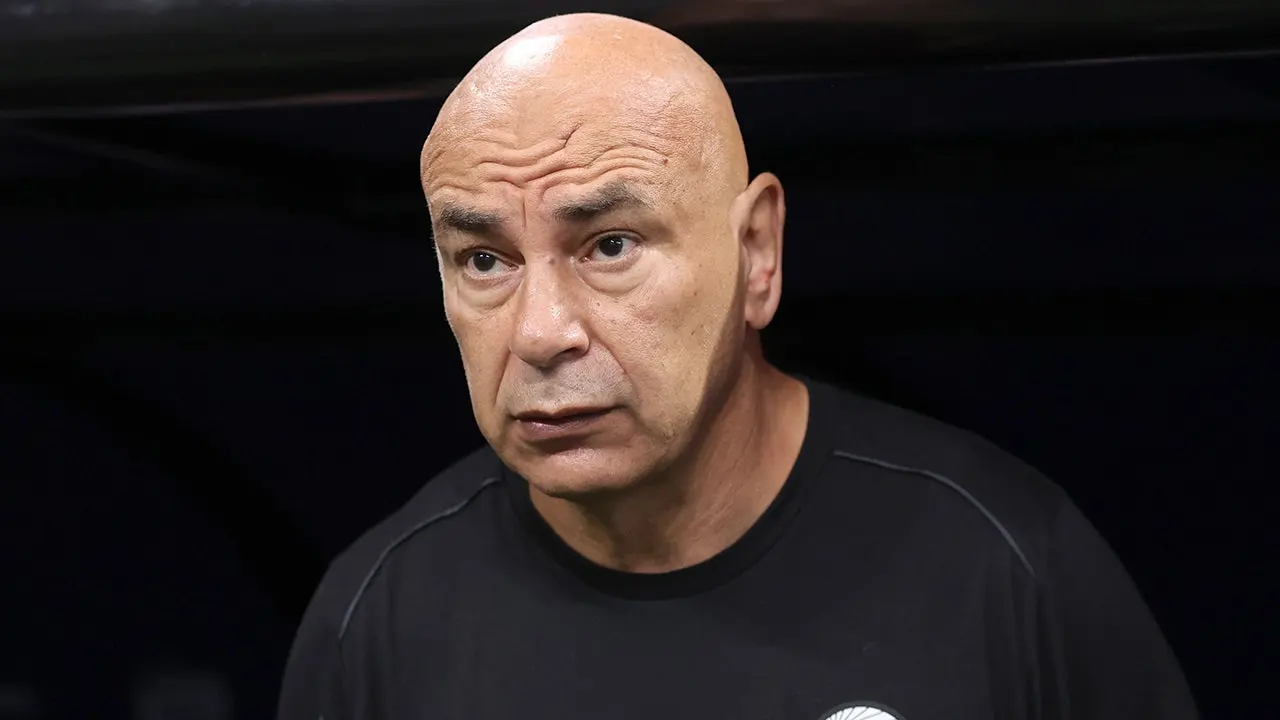
Following the final whistle, Egypt’s head coach Hossam Hassan did not mince words, delivering a raw and deeply emotional critique of the officiating that instantly went viral. Hassan lamented that “respect and fair play” were thoroughly absent from the match, pointing out that his team was denied a clear penalty shout while their second goal was disallowed under highly dubious circumstances. Refusing to hide behind standard post-match diplomatic clichés, Hassan openly suggested that external forces were at play, hinting that the tournament organizers were desperate to keep the reigning world champions—and their global talisman, Lionel Messi—in the competition for as long as possible. “The world champion received support at every level,” Hassan remarked in a stinging press conference, expressing a profound disillusionment with the integrity of the sport.
The devastation felt by the Egyptian coaching staff was echoed with even more raw hostility by the players on the pitch, most notably forward Mostafa Ziko. In the emotional aftermath of the defeat, Ziko went a step further than his coach, bluntly labeling the encounter a “rigged game” and suggesting that the referee possessed a clear agenda to dismantle Egypt’s lead. Ziko expressed utter confusion over the disallowed goal and claimed that the referee continued to penalize Egypt at every turn to stall their momentum, sarcastically congratulating Argentina on winning “another World Cup.” While emotions often run hot in the wake of a World Cup exit, the sheer venom of the Egyptian squad’s accusations drew immediate global attention, forcing fans and media alike to scrutinize the refereeing decisions under a harsh microscope.
From a commercial and organizational perspective, there is no denying that FIFA benefits immensely from Lionel Messi’s continued presence in the United States. As one of the most recognizable and marketable athletes in human history, Messi’s progression into the quarterfinals guarantees astronomical television ratings, unprecedented ticket demand, and sustained global buzz. Despite this obvious financial incentive, labeling the entire match as “rigged” remains a heavy stretch. While the VAR review process to disallow Egypt’s second goal was undoubtedly harsh and arguably stretched the spirit of the rulebook, the subsequent borderline decisions during the match fell into the classic category of theatrical, fifty-fifty refereeing calls that could easily have gone either way depending on the official’s perspective.
Ultimately, the most critical element of Egypt’s agonizing defeat is a human truth that neither Coach Hassan nor his players seemed willing to confront in the heat of their anger: control of their destiny still lay in their own hands. Cruel refereeing decisions have been a tragic feature of footballing history since the sport’s inception, but they do not entirely excuse a total defensive collapse. No matter how unfairly the VAR system treated them, Egypt still held a viable lead late into the match and simply failed to defend it, capitulating to pressure and conceding three unanswered goals in a chaotic twenty-five-minute collapse. While the pain of their exit is entirely understandable, the Pharaohs must ultimately look in the mirror and acknowledge that their own defensive vulnerability, as much as any refereeing controversy, spelled the end of their World Cup dream.