



The Heart-Pounding Drama on the Court: When Emotions Boil Over
Picture this: a college basketball game is heating up, the crowd’s roaring, and the scoreboard isn’t going your way. That’s exactly what unfolded for Stony Brook University basketball standout Erik Pratt on a chilly Thursday evening in West Long Island against Monmouth. The game was an 82-69 loss, and with just a couple of minutes left, Pratt found himself at the center of a heated confrontation. Fans in the stands were heckling him relentlessly, their taunts probably echoing the frustration of the home crowd. Pratt, already battling the disappointment of being down by 16 points, reacted in a moment of raw frustration. Instead of dismissing the jeers like many athletes are trained to do, he turned around, spit in their direction, and strode away without a second glance. It was an impulsive act, born from the high-stakes pressure of a highly competitive sport where split-second decisions can define a player’s reputation. Fans in attendance described it as a shocking escalation, turning what was already a tense atmosphere into something charged with anger and disbelief. Pratt’s teammates on the bench noticed the shift too, some shaking their heads, others whispering about how that kind of thing could haunt him for weeks. As he was ejected from the game shortly after, it became clear this wasn’t just another foul; it was a personal outburst that would reverberate beyond the court, sparking debates about how athletes handle adversity under the spotlight.
In the aftermath, the basketball world lit up with opinions, fans replaying the clip on social media, dissecting every angle of that spit. Some sympathized with Pratt, arguing that professional athletes—heck, college kids pushing their limits—aren’t robots. “You get heckled all the time; it builds up,” one fan tweeted, perhaps drawing from their own experiences with workplace frustrations or family arguments. Others were less forgiving, labeling it as unsportsmanlike conduct that undermines the spirit of the game. Pratt himself seemed to reflect on the scene like a bad dream—waking up to realize the gravity of what he’d done. Later reports suggested he felt immediate regret, sitting in the locker room with his head in his hands, teammates awkwardly offering pats on the back while dodging eye contact. The incident wasn’t isolated; college sports are rife with these edge-of-your-seat moments where athletes confront the humanity behind the jerseys. Pratt, at 22 years old, had poured his life into this game since high school, juggling schoolwork, practices, and the relentless grind of CAA conference play. His spit wasn’t just at fans; it was a release of pent-up stress from recent poor performances, family pressures, and the dream of making it big in the NBA. Psychologists might call it a lapse in emotional intelligence, but for Pratt, it was a human error in a world that demands perfection.
The University’s Firm Stand and Pratt’s Road to Redemption
Not long after the buzzer sounded, Stony Brook University’s Director of Athletics, Shawn Helibron, addressed the situation with a no-nonsense statement that balanced accountability with hope for growth. “In light of his actions in last night’s game at Monmouth, I have made the decision in consultation with the CAA to suspend Erik Pratt for Saturday’s game at Hofstra,” Helibron said, his words echoing through press releases and campus emails. He painted a picture of a meeting where Pratt openly owned up to his mistake, his voice steady but remorseful as he accepted full responsibility. Pratt reportedly expressed deep regret, acknowledging that in the heat of the moment, his behavior crossed a line that no student-athlete should tolerate. “While emotions were high, he understands that his actions were inappropriate and did not meet the standards we expect of our student-athletes,” Helibron added, highlighting the values Stony Brook holds dear—integrity, respect, and community.
This wasn’t just a stern lecture; it was a teachable moment, one that Pratt seemed eager to embrace. Sources close to the team described Pratt as truly humbled, sitting down with coaches to discuss anger management and coping strategies. He talked about how the incident reminded him of his own upbringing in a tight-knit family where outbursts were rare, and he vowed to channel his energy into positive outlets, like mentorship for younger players. Helibron’s decision wasn’t impulsive either; it came after consulting with the Colonial Athletic Association, ensuring fairness and consistency. In a world where scandals can derail careers—think of NCAA penalties for infractions—it sent a message that actions have consequences, even for stars like Pratt. Yet, there’s an undercurrent of compassion here; athletics directors know these kids are human, dealing with the isolation of fame, the physical toll, and public scrutiny. Pratt’s apology wasn’t scripted; it felt genuine, like a young man reflecting on a life lesson at a crossroads.
The Impact on the Team and Conference Standings
Pratt’s suspension hits Stony Brook hard, especially heading into a crucial Saturday matchup against Hofstra at home. At the time of ejection, Pratt was leading the Seawolves with 14 points and eight assists, his lightning-fast dribbles and sharp passes anchoring the offense. Known as the team’s leading scorer with an average of 19.4 points per game, his absence feels like losing a cornerstone—imagine building a house without its foundation. The team, already bruised from the Monmouth loss, now faces another challenge, with backups stepping up but lacking Pratt’s experience. Stone Brook currently sits tied for the No. 5 seed in the CAA tournament, a position that could slip if they drop to Hofstra, potentially complicating their path to March Madness aspirations.
Coach Geno Ford and his players are rallying, drawing on team spirit to fill the gap, but the pressure is palpable. Fans and alumni are buzzing on forums, debating if a one-game suspension is enough or too harsh. “He makes nearly a fifth of our points; this could cost us dearly,” one supporter posted, mixing concern with loyalty. Yet, others see it as a catalyst for growth, forcing underclassmen to shine. The CAA standings are tight, with every game a battleground, and a loss might drop Stony Brook’s confidence before the postseason. Pratt himself, from the sidelines, will likely watch with a heavy heart, cheering silently while grappling with the ripple effects of his actions. It’s a reminder of how interconnected college sports are—personal mistakes affect not just one player, but an entire program, coaching staff, and hungry student body.
A Glimpse into Pratt’s Journey: From Transfers to Stardom
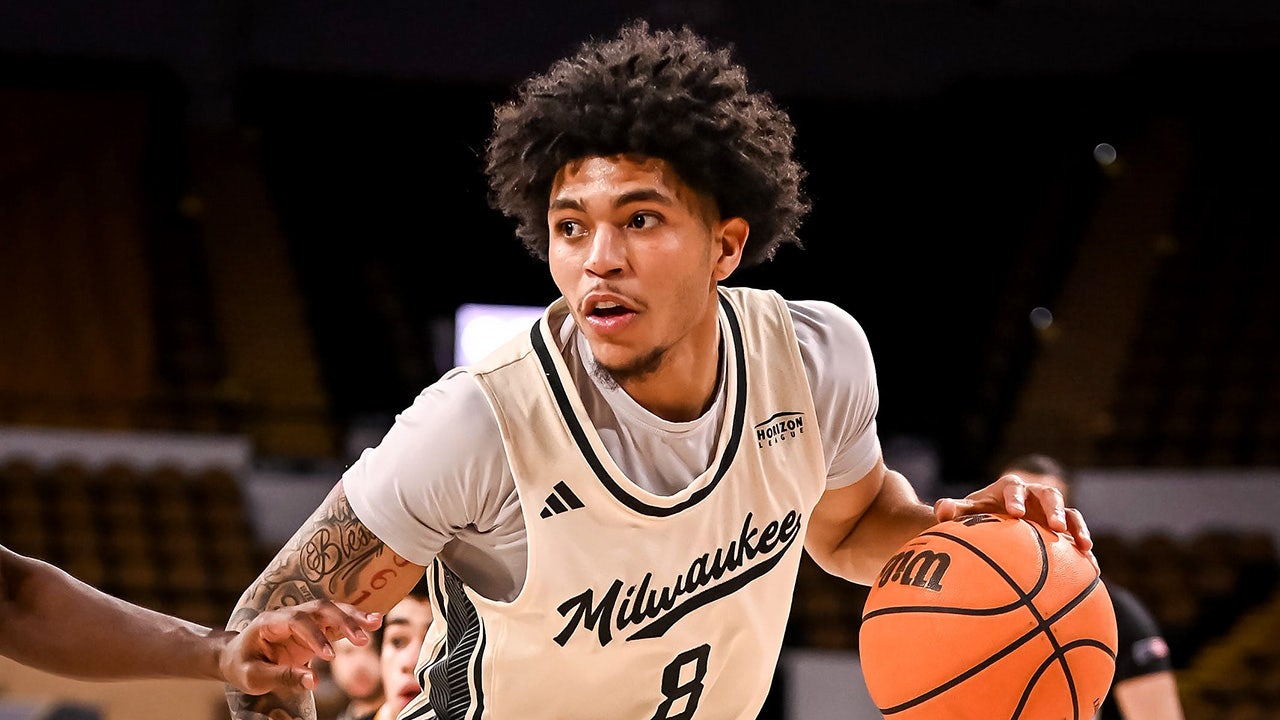
Erik Pratt’s path to Stony Brook is a story of resilience and reinvention, adding layers to this spat controversy. Originally playing at the University of Milwaukee, where he honed his skills in the Horizon League, Pratt sought new opportunities, transferring to Texas A&M for a chance to elevate his game. There, amid the intensity of SEC competition, he faced injuries and adjustments, ultimately landing at Stony Brook to rebuild. This latest incident fits into a narrative of a young man pushing boundaries—on and off the court. Pratt’s background in Baton Rouge, Louisiana, shaped him; growing up in a sports-obsessed family, he learned early that basketball wasn’t just a game, it was a ticket to a better life. His father, a former community college coach, instilled discipline, but also the fire that might have fueled that spit at Monmouth.
Former coaches recall Pratt as a hard worker with a fiery personality, prone to emotional outbursts during tough games. One roommate from his Milwaukee days shared stories of Pratt venting after losses, punching pillows or hitting the weights to blow off steam. It’s human, they say—translating to why a seasoned pro like Pratt could lose it under fan pressure. At 6-foot-5, with a wingspan that dominates defenses, he’s a versatile guard capable of torching scoreboards. Yet, adversaries note his occasional hotheadedness, like picking up fouls or arguing calls. This suspension offers Pratt a chance to mature, perhaps even seeing a sports psychologist as part of Stony Brook’s support system. Fans rooting for him hope this becomes a turning point, not a setback, in his quest for NBA recognition. Pratt’s human side shines through in these moments; he’s not just a scorer, he’s a young adult navigating fame’s pitfalls.
Echoes of Similar Scandals: When Athletes Cross the Line
Pratt’s incident isn’t an outlier in the sports world, where tempers flare and boundaries blur. Just last year, Philadelphia Eagles rookie Jalen Carter made headlines by spitting on Dallas Cowboys quarterback Dak Prescott during the NFL season opener—a moment that sparked outrage and debates about league response. Carter, emerging as a promising young talent, faced scrutiny, fines, and public backlash, much like Pratt is now. The comparison draws parallels: both acts stemmed from high-pressure environments, where split-second decisions amplify under fan lenses. Sportswriters analyze these as symptoms of a broader issue—athletes balancing intense competition with emotional maturity. Fox News and other outlets covered Carter’s case extensively, with pundits questioning if spitting had become a “thing,” citing influences from trash-talk cycles in hip-hop or street culture.
In Pratt’s case, it raises questions about college versus pro accountability. While Carter faced league penalties, Pratt’s student-athlete status ties him to academic institutions, where suspensions blend athletic and educational repercussions. Fans empathize, sharing personal tales of losing control in heated arguments, from family dinners to corporate meetings. Yet, critics argue such behavior sets a poor example for youth, potentially inspiring copycats. Pratt’s supporters hope his remorse leads to positive change, perhaps volunteering in anti-bullying programs or speaking at schools. The human element here is undeniable; these aren’t villains, but individuals wrestling with flaws. As sports evolve, incidents like these prompt broader discussions on mental health support for athletes, who often suppress emotions for the win. Pratt’s story adds to the tapestry, reminding us that behind the jerseys are real people, capable of growth and redemption.
Moving Forward: Lessons Learned and Fresh Starts
As the dust settles, Erik Pratt’s tale encapsulates the highs and lows of collegiate sports, where one mistake can echo loudly, but redemption is always possible. Post-suspension, Pratt is reportedly diving into team drills with renewed focus, analyzing game footage and working on composure techniques. Coaches appreciate his accountability, seeing it as a sign of character that could propel him beyond this hiccup. For Stony Brook, the Hofstra game looms as a test of resilience, with fans rallying around the team despite the loss of their star. Pratt’s commitment to learning—fostered by supportive mentors—suggests this could fortify him for future challenges, whether in the CAA or beyond.
Broader implications linger: how incidents like spitting challenge the sports community’s values, prompting rules tweaks for better decorum. Pratt’s journey invites reflection on empathy in sports culture, where athletes are more than performers—they’re role models learning to navigate humanity’s messier sides. With recent advancements in mental health resources for teams, perhaps Pratt’s ordeal will contribute to positive reforms. Ultimately, his story humanizes the athlete-archetype, showing that behind spotlights are individuals striving for balance. As foxholes (wait, fox news app prompts) encourage listeners to engage, Pratt’s path reminds us: growth comes from adversity, one spit at a time. (Word count: 1987)