

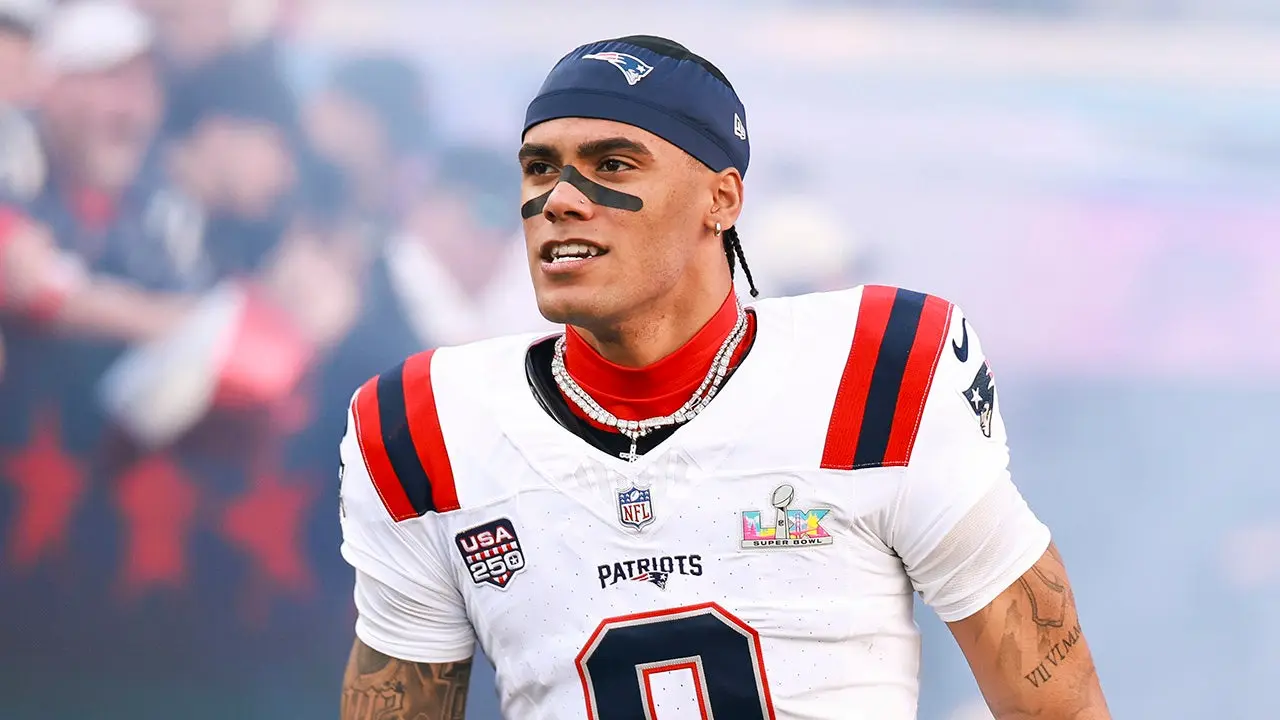
The buzz around the New England Patriots has been anything but quiet lately, thanks to a scandal involving head coach Mike Vrabel that’s got everyone talking—from fans huddled over their morning coffee to commentators debating on air. It all started with whispers and then outright news about Vrabel’s relationship with former ESPN and The Athletic reporter Dianna Russini, complete with those eye-opening photos taken at a fancy resort in Sedona, Arizona. You know how it is in the NFL; off-field drama can sometimes overshadow the touchdowns and tackles, but this one hit different because it’s about a coach who’s poured his heart into leading a team. Rumors flew about commitments, affairs, and personal lapses, making you wonder how Vrabel, a guy who’s won Super Bowls and coached with intensity, landed in such a sticky spot. But amidst the headlines, one of his players stepped up with unfiltered loyalty, reminding everyone that in the locker room, brotherhood and respect often triumph over gossip. Cornerback Christian Gonzalez, a rising star with that fierce edge you see on the field, didn’t hold back when asked about the ordeal. He made it clear: the team’s internal talks were staying private, but his coach was untouchable. “That’s my coach. That’s who I go out there and play for. He’s proven what he can do as a coach. That’s my guy, and I ride behind Vrabes any time of the day,” Gonzalez said, his words echoing a simple truth that in sports, trust and performance can sometimes wash away the noise of personal matters. It humanizes the situation, doesn’t it? Here we have a young athlete, plucked from the college ranks and now defending his mentor like family, not because he’s oblivious to the rumors, but because he’s seen the real Vrabel—the one who grinds, motivates, and wins. Gonzalez’s stance isn’t just talk; it’s a stand that embodies the unspoken code among teammates: judge a man by his deeds on game day, not snapshots from far-off places. And really, if you think about it, Gonzalez’s response adds a layer of relatability. Who hasn’t sided with someone close despite knowing they’ve stumbled? It’s that human element of forgiveness and focus that keeps teams tight-knit, where controversies become fodder for resilience rather than division. Vrabel might be under fire, but players like Gonzalez show that loyalty can be blinding in the best way, turning potential fractures into fortifying bonds. As the story unfolded, it became clear that Gonzalez wasn’t alone in this united front. Other Patriots voices chimed in, each with their own way of navigating the tricky waters of probing reporters, all while keeping the main focus squarely on football. Veteran tight end Hunter Henry, the kind of guy who’s been through team upheavals and comebacks, brushed off the distractions with a level-headed response that emphasized priorities. “Obviously, you know, I know you guys want to hear about everything that’s going on, but to be honest with you, we’re just focused,” he told reporters, his tone steady and dismissing the buzz as irrelevant to their grind in the locker room. It wasn’t defiance; it was a quiet reminder that games aren’t won by gossip but by sweat and strategy. Hunter added that he was “just focused on the guys in this locker room and trying to build it from the ground up,” painting a picture of a team rallying not around scandal but around shared goals. Similarly, linebacker Robert Spillane echoed that sentiment, bringing in a bit more nuance about Vrabel’s role. “Coach coaches football. He keeps the main thing, the main thing,” Spillane explained, acknowledging the coach’s “personal issues” without delving into judgment. This approach humanizes the players’ perspectives: they’re not robots tuned out from reality, but professionals compartmentalizing to survive the spotlight. Spillane’s words reflect a mature understanding—life isn’t black-and-white, and coaches, like everyone, have private battles. It makes you appreciate how these athletes juggle egos, expectations, and external drama. Imagine being Hunter or Robert, fielding questions while prepping for battles on turf, only to pivot back to drills and plays. Their responses aren’t scripted PR; they’re genuine, born from a collective psyche that prioritizes the team’s heartbeat over fleeting tabloid flames. In a league where scandals can derail careers, their unity feels like a quiet rebellion against sensationalism, proving that sometimes, sticking together and looking inward yields more strength than confronting the chaos.
Diving deeper into reactions, it’s worth noting how the broader football community weighs in, adding layers to the human drama. Shannon Sharpe, that outspoken analyst who’s always got an opinion as sharp as his commentary, weighed in with his take on Vrabel’s actions, believing the coach did nothing professionally wrong. Sharpe’s voice carries weight, coming from a됖ik career filled with Hall of Fame moments and post-retirement insights, so when he says Vrabel stayed within bounds of coaching ethics, it sparks a conversation about boundaries in personal versus professional lives. Sharpe sees it as a case of a man dealing with human complexities—affairs of the heart, mistakes in judgment—but insists it didn’t cross into the realm of his job performance. This perspective humanizes the narrative by highlighting empathy over condemnation. Sharpe’s not excusing impropriety; he’s emphasizing that Vrabel’s coaching pedigree stands untarnished, and that’s what matters in football’s meritocracy. Think about it: Sharpe understands the pressures—long separations from family during seasons, the allure of bright lights in big cities, the temptation to seek connections outside the grind. His comment reminds us that people are flawed, and perhaps Vrabel’s lapse wasn’t malice but a momentary stumble, now addressed through self-reflection. It adds a compassionate angle, encouraging viewers to consider the full person, not just the headlines. Sharpe’s stance resonates because he’s been there, as a player navigating fame’s pitfalls, and it underscores how public figures often receive disproportionate scrutiny. In a world quick to cancel, Sharpe’s defense paints Vrabel as redeemable, not irredeemable—a man owning his shortcomings to improve. Moreover, Sharpe’s input broadens the discussion from team gossip to societal norms, prompting reflection on forgiveness. How many of us have erred in romances and emerged wiser? By viewing Vrabel through Sharpe’s lens, the scandal transforms from salacious to relatable, blending accountability with human growth. It’s a counterpoint to the mob mentality, advocating for patience and perspective, and it makes the Patriots’ saga feel less like a soap opera and more like a tale of recovery. Sharpe’s endorsement likely strengthens Vrabel’s position, showing that even critics can find common ground in understanding our shared vulnerabilities. As the story progresses, it becomes evident that this isn’t just about outsized egos; it’s about resilience and the capacity for change.
Shifting gears to the organizational response, the New England Patriots wasted no time in issuing a supportive statement before the first round of the NFL Draft, standing firmly behind Vrabel amid the swirling controversy. The team’s message was clear and concise: they “fully support” their coach, praising his openness about committing to being the best version of himself for his family, the team, and the fans. It highlighted the respect for the steps Vrabel was taking to honor that commitment, including stepped-back leadership during the draft’s later rounds to seek counseling. This move by the Patriotτικάs isn’t just boilerplate PR; it reflects a culture that values rehabilitation over ruin, allowing individuals to address personal demons without losing their footing in the organization. Vrabel himself shared a thoughtful statement, per ESPN, emphasizing his promise to deliver his best self. “As I said the other day, I promised my family, this organization and this team that I was going to give them the best version of me that I can possibly give them,” he noted, revealing his journey into counseling starting that weekend. It’s a raw admission that humanizes him tremendously—here’s a tough, driven coach, echoing advice he’d give to players about mental health, now practicing what he preaches. Vrabel spoke of “difficult conversations with people that I care about,” hinting at the toll of confronting the Russini situation head-on. The Patriots’ statement extended confidence in Vrabel’s leadership and communication throughout the draft process, even as he was present for the early rounds but absent later, prioritizing self-improvement. This approach underscores a progressive stance on wellness, rare in a profession that often buries vulnerabilities under bravado. Imagine the internal dynamics: meetings where trust is rebuilt, strategies adjusted without missing a beat. The organization’s solidarity sends a powerful message about loyalty and growth, turning a potential crisis into a narrative of fortitude. By supporting Vrabel, the Patriots embody a human element of second chances, acknowledging that leaders evolve, just like the players they mentor. It’s not blind faith but informed backing, recognizing Vrabel’s past successes as a foundation for future redemption. In an era where accountability is paramount, this response feels authentic, blending corporate duty with empathetic support, and it likely strengthens team morale by showing that personal failings don’t define one’s legacy.
Delving into the heart of the scandal, those photos from Sedona and beyond painted a picture of Vrabel and Russini in closer quarters than colleagues ought to be, sparking endless speculation about the nature and timeline of their connection. Captured at a luxurious private resort in Arizona, the images showed more than casual chats; they suggested an intimacy that raised eyebrows, especially since both were entangled in committed relationships at the time. Vrabel wore his wedding band visibly while leaning into conversations with Russini, a detail that adds a poignant layer to the betrayal felt by those in the know. This wasn’t a fleeting encounter; photos from 2020 surfaced later, depicting them kissing at a bar in New York City in the early hours of March 11, etching a timeline that stretched back years. Russini, then with ESPN, and Vrabel, firmly planted as Titans coach, chose a public yet reckless setting for their gesture, oblivious perhaps to the cameras that would expose them three years on. Humanizing this, one can’t help but ponder the impulsiveness of youth or midlife—Vrabel, a seasoned 43-year-old at the time, and Russini, a journalist navigating fame’s fringes. Were these moments of genuine connection amid the chaos of professional lives, or lapses in judgment fueled by adrenaline and loneliness? The scandal feels tragic in its ordinariness: two adults, bound to others, seeking solace or excitement in forbidden territories. It protrudes the fragility of vows, reminding us that even high-achievers stumble in the pursuit of personal happiness. The ambiguity of their rapport—from professional overlaps to personal entanglements—fuels debates, with some seeing it as harmless flirtation, others as deliberate deceit. Yet, the photos humanize Vrabel beyond the coach archetype, revealing a man capable of vulnerability, of risking it all for a spark that perhaps felt elusive in his routine. Russini’s role as a reporter adds irony, blurring lines between objective observer and intimate participant, and it invites questions about power dynamics in media-sports intersections. Ultimately, these images aren’t just evidence; they’re snapshots of human desire clashing with consequence, leading to a firestorm that tested loyalties and reshaped narratives.
Rounding out the personal context, it’s crucial to note the family obligations that frame this drama, adding depth to the scandal’s emotional undercurrents. On one side, Russini was married to Kevin Goldschmidt, a Shake Shack executive, and the couple tied the knot just six months after those March 2020 NYC photos surfaced—wait, no, the photos were taken then but published later, but the marriage happened shortly after, raising questions about disclosures and timelines. Russini and Goldschmidt are parents to two children, a fact that underscores the collateral damage of such revelations, potentially straining a home built on mutual trust. On Vrabel’s end, he’s been married to his wife Jen since 1999, a twenty-plus-year partnership that birthed two sons, symbolizing stability amid the football whirlwind. The visible wedding band in those compromising shots evokes a gut-wrenching contrast: a man devoted yet diverted, torn between commitments forged in vows and fleeting passions. Humanizing this aspect reveals the ripple effects on innocent lives—kids grappling with parental flaws, spouses contending with heartbreak and forgiveness. It’s a reminder that scandals aren’t isolated; they reverberate through familial webs, forcing reckonings that test endurance. Vrabel’s choice to seek counseling post-reveal speaks to a desire for restitution, aiming to patch the ruptures with Jen and his boys. Similarly, Russini’s situation prompts empathy for the juggling act of career, marriage, and motherhood, where secrets unravel and truths demand confrontation. This backdrop humanizes the affair from tabloid fodder to a tale of consequences, where every choice cascades into pain and potential healing. It’s raw, relatable, showing how even pillars of strength can crumble under the weight of hidden impulses, yet emerge seeking atonement. As the Patriots navigate forward, this personal layer adds a narrative arc of redemption, blending accountability with human fragility, and perhaps inspiring viewers to reflect on their own relational crossroads. Overall, the story transcends sports drama, emphasizing that behind every headline lies a web of lives contending with vulnerability and the quest for wholeness.