





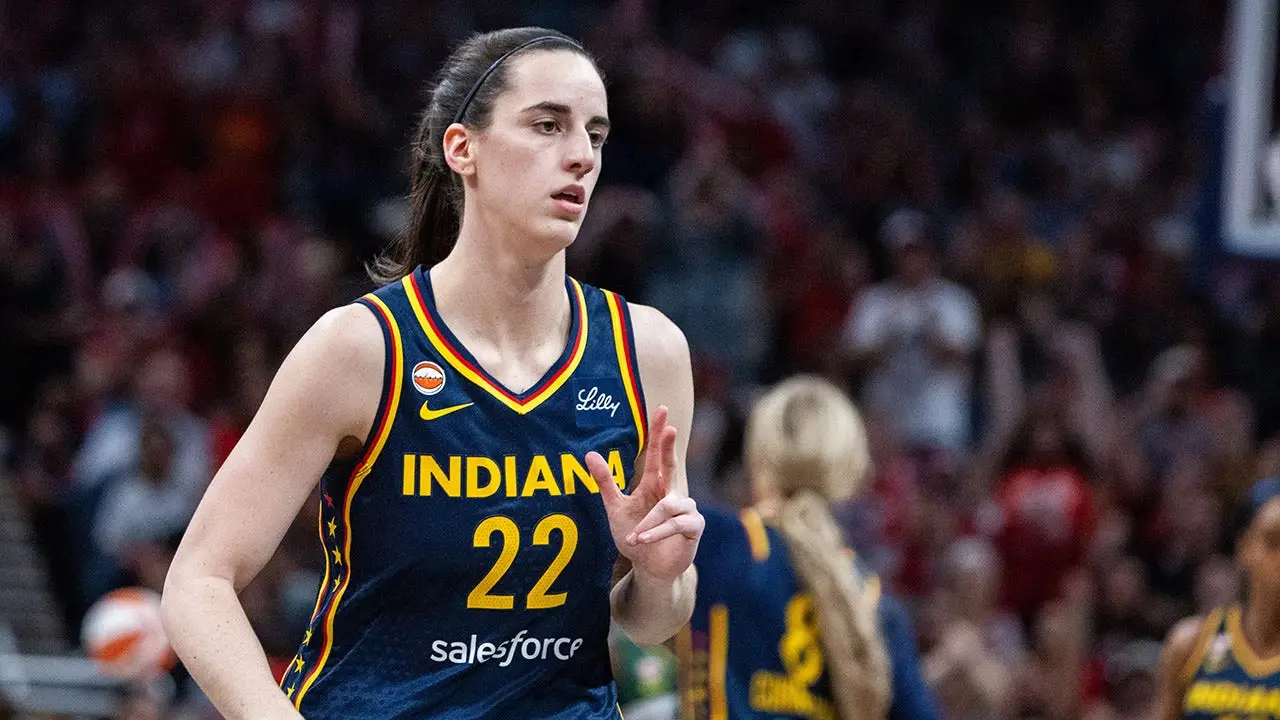
The weight of unprecedented expectations is a heavy mantle to carry, especially when every breath, stride, and physical setback is analyzed under a global microscope. This reality was once again thrust into the spotlight just twenty-four hours before the Indiana Fever’s highly anticipated matchup against the Golden State Valkyries, when superstar guard Caitlin Clark was listed as probable due to a nagging back injury. For a player whose transition to the professional ranks has been met with both rapturous adoration and intense physical pushback from defenders, an injury report is never just a routine medical update; it is an event that sparks collective anxiety among a sprawling fan base. The physical toll of the WNBA season is relentless, demanding a level of durability that tests even the most elite athletes, making the news of her probable status a vital storyline. Fortunately for the Fever, the roster seems to be finding its physical stride at the right moment, as signs also point to her reliable teammate Bree Hall being fully cleared and ready to suit up beside her. This impending reunion on the hardwood serves as a reminder of the delicate balance professional athletes must strike between pushing their bodies to the absolute limit and respecting the warning signs of fatigue, particularly for a young player carrying the future of a franchise on her shoulders.
Navigating these physical hurdles has forced both Clark and the Indiana Fever to discover a deeper level of resilience and collective trust. When the young star was a late scratch for her first missed game of the season on May 20 against the Portland Fire, skepticism loomed over how the squad would fare without their primary playmaker and cultural lightning rod. However, the Fever silenced their doubters by rallying together to secure an emphatic 90-73 victory, demonstrating that while Clark may be the gravitational center of the team, the roster possesses the grit and talent to rise to the occasion in her absence. This collective strength was on display again when the Fever crossed the ninety-point threshold in a thrilling victory over the Valkyries, proving that a potent, fast-paced offensive identity is beginning to crystallize in Indiana. Any lingering anxieties surrounding Clark’s physical limitations were decisively put to rest when she returned to the starting lineup, shaking off the rust to drop a team-high twenty-two points and spark a crucial third consecutive victory. For Clark, returning to the court and immediately delivering a dominant performance was not just about the box score; it was a powerful statement of her commitment to her teammates and a testament to her ability to perform under the compounding pressures of physical discomfort and immense public expectation.
To truly appreciate Clark’s current triumphs, one must look back at the arduous physical and emotional journey that defined her early professional career, particularly the painful lessons of the 2025 season. After an absolute whirlwind of a debut in 2024—where she played in all forty games, captured the Rookie of the Year award, and single-handedly altered the league’s economic and cultural trajectory—the basketball world watched in heartbreak as her momentum was violently derailed by injuries. The sophomore season that was supposed to be a victory lap was instead cut short, restricting her to a mere thirteen appearances due to a grueling combination of a deep groin strain and a stubborn ankle-bone bruise. The psychological warfare of rehab is often lonelier and more exhausting than the games themselves, as elite competitors are forced to exchange the roar of packed arenas for the quiet, repetitive monotony of training tables and physical therapy sessions. That challenging year forced Clark to confront her athletic vulnerability, shifting her perspective from an unstoppable college phenom who took health for granted to a mature professional who understands the vital importance of self-care, pacing, and listening to her body. It is this hard-earned wisdom that makes her current battles with back soreness feel less like a crisis and more like a manageable bump in a very long road, showcasing a seasoned athlete who knows how to navigate the marathon of a WNBA career.
Yet, what makes Caitlin Clark such a compelling and enduring human figure is her innate ability to completely step away from the suffocating pressure of her professional identity to find joy in the ordinary rhythms of life. During a precious mid-week off-day ahead of the team’s rematch against Golden State, Clark was spotted about a mile from the Valkyries’ arena, shedding the intense spotlight of the basketball court for the sunny, laid-back atmosphere of Oracle Park. Attending a Major League Baseball matchup between the San Francisco Giants and the Arizona Diamondbacks, she was accompanied by her boyfriend, Connor McCaffery—himself a former Iowa basketball player who intimately understands the unique pressures, triumphs, and sacrifices of high-level collegiate athletics. Sitting in the stands side-by-side, clad in matching Giants baseball caps, the couple looked like any other young pair enjoying a warm afternoon at the ballpark. This simple excursion highlights a beautiful, humanizing truth about Clark: despite being one of the most famous athletes on the planet, she actively seeks out spaces where she can just be a spectator, a girlfriend, and a fan, reminding us that her identity is deeply rooted in personal relationships and a simple, enduring love for sports.
This genuine, unvarnished love for sports becomes even more relatable when Clark openly discusses the eclectic, highly personal tapestry of her own athletic fandoms. While she wore a Giants hat in San Francisco out of sheer appreciation for the experience, she is quick to clarify that her true baseball allegiances are shaped by love, family history, and nostalgic memories rather than corporate sponsorships or regional bandwagoning. She has candidly admitted to adopting a fond affection for the Philadelphia Phillies largely because of her boyfriend Connor’s passionate, lifelong devotion to the franchise, pointing out that she couldn’t help but fall in love with the high-octane play of superstar Bryce Harper. Yet, her heart also contains room for the Chicago Cubs, the historic allure of the New York Yankees, and a deep-seated childhood loyalty to the Kansas City Royals, which was passed down to her by her father. This Midwestern sporting heritage extends to her football allegiances as well; she proudly defends her love for the Kansas City Chiefs, pointing out that she was cheering for them long before the Patrick Mahomes era turned them into a global dynasty, a point she uses to playfully defend herself against any accusations of being a bandwagon fan. These endearing, conversational insights reveal a young woman who views sports through the same nostalgic, relational lens as the millions of fans who watch her every single night.
Ultimately, Caitlin Clark’s journey is about far more than point totals, shoe deals, or injury reports; it is a living narrative of a young woman navigating an extraordinary life with remarkable poise, authenticity, and grace. In an era where modern sporting icons are often over-curated, distant, and shielded by layers of public relations, Clark remains wonderfully accessible, bridging the gap between an elite superstar and a down-to-earth Midwesterner who loves her family, her boyfriend, and a good afternoon at the ballpark. As she continues to push through physical setbacks like her recent back issues to lead the Indiana Fever back into national prominence, her resilience on the court is beautifully balanced by her groundedness off it. By embracing her vulnerabilities, celebrating her team’s collective victories, and maintaining a healthy perspective on her immense fame, she is redefining what it means to be a modern role model. Whether she is lacing up her sneakers to face down a fierce physical defense on the hardwood or laughing in the stands of a baseball stadium with a hot dog in hand, Caitlin Clark reminds us that the heart of sports lies not in the perfection of the athlete, but in the humanity of the person behind the jersey.