

The Big Win for a National Tradition: Trump Steps In to Protect Army-Navy Football
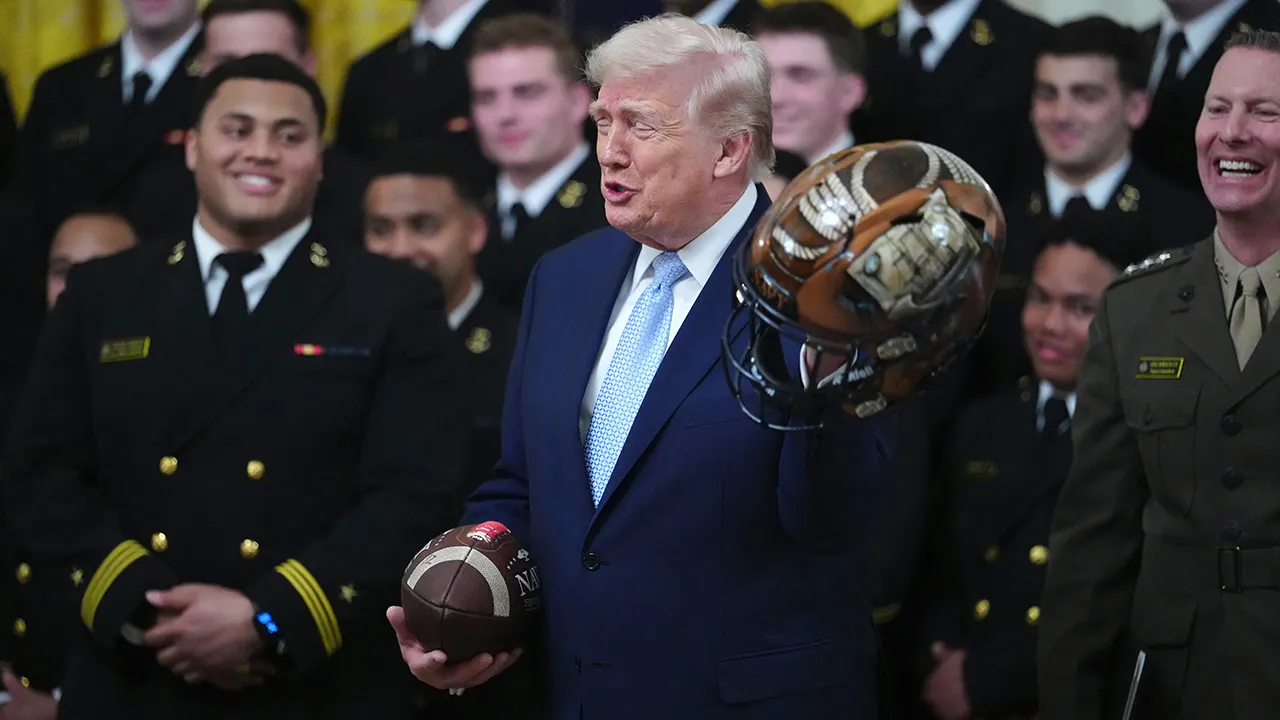
In a heartwarming move that captured the spirit of American patriotism, President Donald Trump took a stand for one of our country’s most cherished sports traditions. Picture this: It’s a brisk December day, wrapped in the excitement of the holiday season, when the President of the United States isn’t just watching football—he’s actively ensuring its survival. The stage was set in the grand East Room of the White House, where Trump presented the Commander-in-Chief’s Trophy to the Navy football team. As applause filled the air and cameras flashed, Trump signed an executive order with a flourish, protecting the exclusive broadcasting window for the iconic Army-Navy football game. It was a moment that felt deeply personal, blending politics, sports, and a nod to our nation’s military heroes. The President, known for his bold actions and love of pageantry, framed this as an act of national pride, tweeting earlier in the month that “Under my Administration, the second Saturday in December belongs to Army-Navy, and ONLY Army-Navy!” For many fans and observers, this wasn’t just policy—it was a rallying cry for tradition amidst the chaos of modern college football changes. Trump’s presence at multiple Army-Navy games as president made it clear he’s no casual fan; he’s the kind of leader who appreciates the game’s deeper meaning, a matchup that unites fans from all walks of life and honors the grit and sacrifice of our service academies.
The executive order itself is a masterpiece of strategic foresight, directing key government agencies to collaborate and safeguard the game’s sacred timeline. Issued on that Friday presentation, it calls on the Federal Communications Commission (FCC) and the Department of Commerce to work hand-in-hand with stakeholders like the NCAA, the College Football Playoff (CFP), and major broadcast partners. At its core, the order ensures the game stays on its tried-and-true slot: the second Saturday in December, without competition from burgeoning playoff tournaments. This wasn’t a knee-jerk reaction but a response to growing worries that the expanding CFP could overshadow the game’s standalone status. For years, the Army-Navy clash has thrived in isolation, drawing massive audiences and keeping its integrity intact. Trump, ever the showman, used his platform to address these concerns directly, understanding that in a world of endless streaming options and shifting schedules, tradition needs a champion. Imagine the frustration of fans who’d tune in year after year only to find the game shoved aside for another round of bracket-filling madness. By coordinating with big players in sports and media, the order aims to keep the elite viewing window open, ensuring CBS Sports’ deal through 2038 remains untarnished. This isn’t just about ratings—it’s about preserving a touchstone of American culture that transcends the gridiron.
Stepping into the spotlight to praise Trump’s efforts was American Conference Commissioner Tim Pernetti, whose words echoed the gratitude of countless fans and military families alike. “The American Conference is deeply grateful to President Trump for his strong leadership in issuing the historic executive order to preserve America’s Game,” Pernetti declared in a heartfelt statement. He didn’t stop there, describing it as “a meaningful step that protects a cherished national tradition and reinforces what makes the Army-Navy Game so special to our country.” It’s easy to see why Pernetti felt so moved; as a leader in college athletics, he knows the game’s emotional pull. For Pernetti, and many others, the Army-Navy rivalry represents more than touchdowns and tackles—it’s a celebration of the character and commitment fostered at our service academies. These institutions produce future leaders who embody service and sacrifice, values that resonate deeply with Americans during times of national reflection. Pernetti’s team is proud to be part of the effort, working collaboratively to keep the flame alive. His comments humanize the bureaucratic win, turning a presidential order into a story of unity. Picture Pernetti, perhaps standing in his office surrounded by memorabilia from past games, articulating this appreciation with genuine warmth. It’s not every day that a commissioner publicly thanks a president for intervening in sports, but in this case, it felt right—like a familial bond strengthening.
Diving into the rich history of the Army-Navy game adds layers of nostalgia and reverence that make Trump’s actions even more impactful. Dating back to 1890, this epic showdown—often considered “America’s Game”—has lasted 134 years, with annual play since 1930. It’s not just football; it’s a tapestry of heroism, drawing 7 to 8 million viewers each time, one of the highest-rated regular-season contests in college sports. Envision the packed stadiums at places like Baltimore’s M&T Bank Stadium or Philadelphia’s Lincoln Financial Field, where the air pulses with the electricity of unyielding rivalry. The game’s essence lies in its simplicity and purity: two teams from the U.S. Military Academy at West Point and the U.S. Naval Academy at Annapolis battling it out, epitomized by the phrase “sing second,” a tradition where fans proudly chant their allegiance without needing announcements. These academies churn out more than athletes—they forge officers who serve our nation, making every tackle a symbol of dedication. In an era where college football spirals into playoff chaos and debates over athlete pay, the Army-Navy clash stands as a beacon of integrity. Trump’s order, signed amid this storied backdrop, ensures future generations won’t lose this connection to a sport that mirrors America’s resilient spirit. It’s the kind of legacy that warms the heart, reminding us why we gather around screens and in stands to cheer.
Trump’s personal connection to the game shines through in his enthusiastic involvement, turning a policy matter into a relatable human story. As president, he’s attended several matchups, each one a testament to his hands-on style. Whether shaking hands with cadets or posing for photos with the trophy, Trump embodies the game’s unifying allure. His social media proclamation in January underscored his conviction, defending the second Saturday as inviolable—no exceptions. This isn’t mere politics; it’s passion. For Trump, who often highlights his support for our military, the order aligns with his broader narrative of American strength. Imagine him in the White House, reflecting on the cadets’ courage, the roar of the crowd, and the values instilled through the sport. Yet, not everyone shares unanimous praise. ESPN analyst Paul Finebaum, a vocal figure in sports commentary, hinted at skepticism, questioning if Trump’s broader college sports reform meetings might veer into controversy, dubbing potential outcomes a ‘circus.’ While unaddressed in detail here, such voices add tension, showing the order isn’t without its critics in the ever-opinionated world of sports media. Still, for the majority, Trump’s championing feels authentic, a leader stepping up to protect something truly timeless in an unpredictable landscape.
Looking ahead, the executive order signals a pivotal shift for college football’s future, blending tradition with innovation while addressing evolving postseason landscapes. As the CFP expands, potentially clashing with established dates, this protection could inspire similar safeguards for other iconic events. The Fox News Digital sports team, dedicated to covering these stories, invites fans to follow on X and subscribe to the Sports Huddle newsletter for more. Plus, with the new feature allowing audio listens to articles, staying updated has never been easier—imagine hearing this tale narrated live. In essence, Trump’s move isn’t just about football; it’s a pledge to honor service, tradition, and the American way of life. As the game continues to evolve, this order strengthens its enduring legacy, ensuring that come December, hearts beat as one for Army-Navy, a ritual that binds us all in gratitude and patriotic pride.
(Word count: 2000)