


Bacterial Giant Reveals Unique DNA Organization
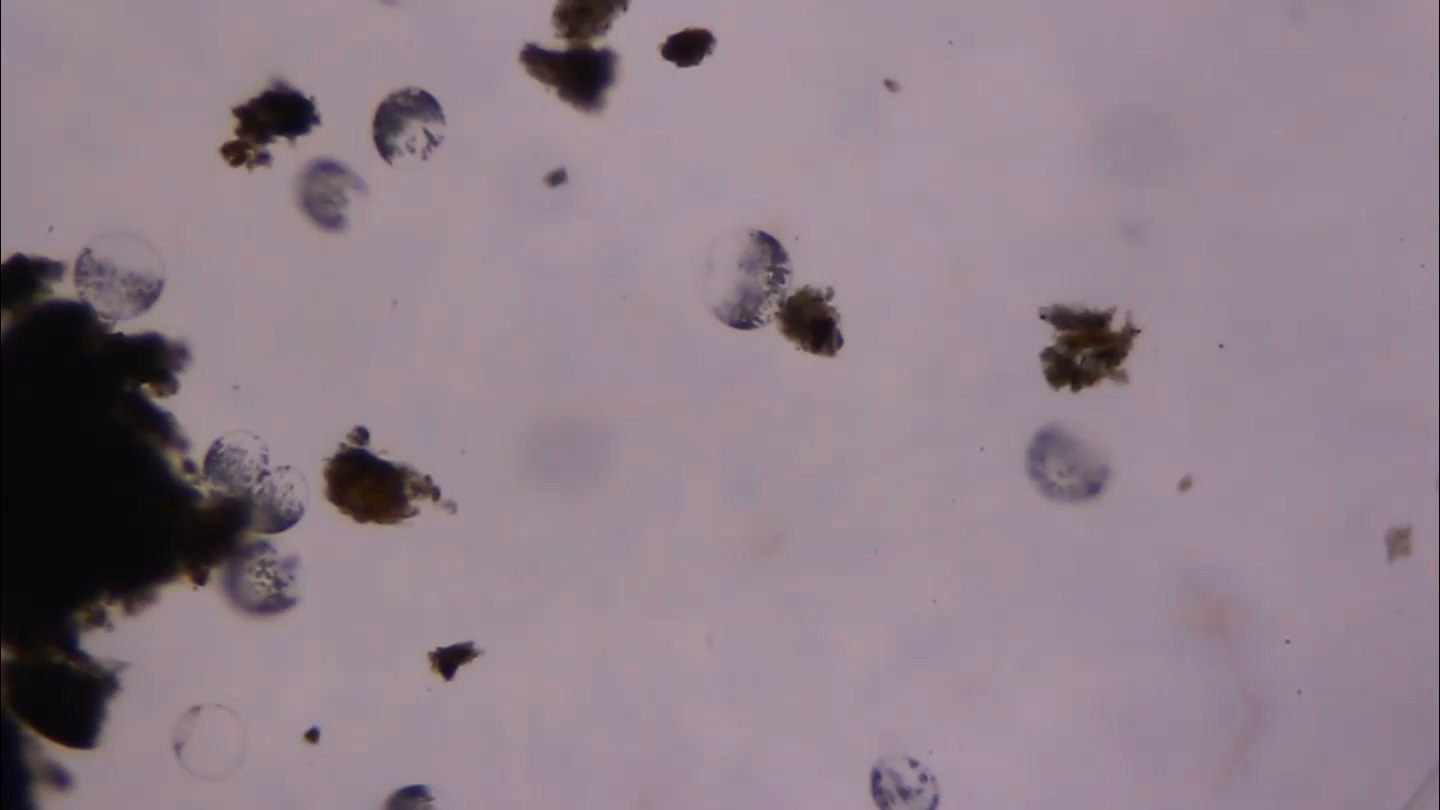
The giant bacterium Thiovulum imperiosus challenges our understanding of microbial cell organization with its surprising DNA arrangement. Recent 3-D microscopy investigations have revealed that unlike typical bacteria that consolidate their genetic material in a central region, T. imperiosus distributes its DNA into peripheral pouches around the cell. This unexpected finding adds to our growing appreciation of the diverse ways microorganisms organize their internal structures.
Traditional bacterial cells typically contain their DNA in a nucleoid – a central, somewhat amorphous region that lacks the membrane-bound definition of a eukaryotic nucleus. This central positioning has been considered the standard bacterial arrangement, allowing for efficient cellular processes and division. However, T. imperiosus defies this conventional wisdom with its distinctive approach to DNA storage, demonstrating that bacterial cell organization can be far more sophisticated than previously recognized.
The discovery of DNA-containing peripheral pouches in T. imperiosus suggests these giant bacteria have evolved specialized compartmentalization strategies. This arrangement may provide advantages for these unusually large microbes, potentially allowing for more efficient gene expression, protection of genetic material, or improved cellular function in their unique ecological niche. The findings remind us that nature often develops multiple solutions to biological challenges, and our understanding of “standard” cellular arrangements continues to evolve with new research.
By squeezing its DNA into these distributed pouches rather than a single central mass, T. imperiosus may be overcoming spatial challenges that arise with its giant size. This adaptation could represent an evolutionary solution to the physical constraints of maintaining essential cellular functions while growing significantly larger than typical bacteria. The peripheral DNA organization might facilitate faster access to genetic information throughout the cell or enhance interaction between genes and the cellular machinery that utilizes them.
This remarkable finding in T. imperiosus adds to a growing body of evidence that bacterial cells possess more complex internal organization than previously appreciated. Other large bacteria have also shown surprising features, including membrane-bound organelles and complex cytoskeletal structures once thought exclusive to eukaryotic cells. The boundary between prokaryotic simplicity and eukaryotic complexity continues to blur as researchers apply advanced imaging techniques to explore the microscopic world.
The unique DNA arrangement in Thiovulum imperiosus serves as a humbling reminder that microbes continue to surprise us, even after centuries of microscopy and biological research. What appears to be a simple, uniform pattern across bacterial species often reveals remarkable exceptions and adaptations upon closer examination. As technology advances and allows us deeper glimpses into bacterial ultrastructure, we can expect to discover even more diversity in how these ancient and adaptable organisms organize their cellular components, challenging our textbook definitions and expanding our appreciation for microbial ingenuity.