



Unearthing Humanity’s Wooden Past: Ancient Tools Reveal Our Ancestors’ Ingenuity
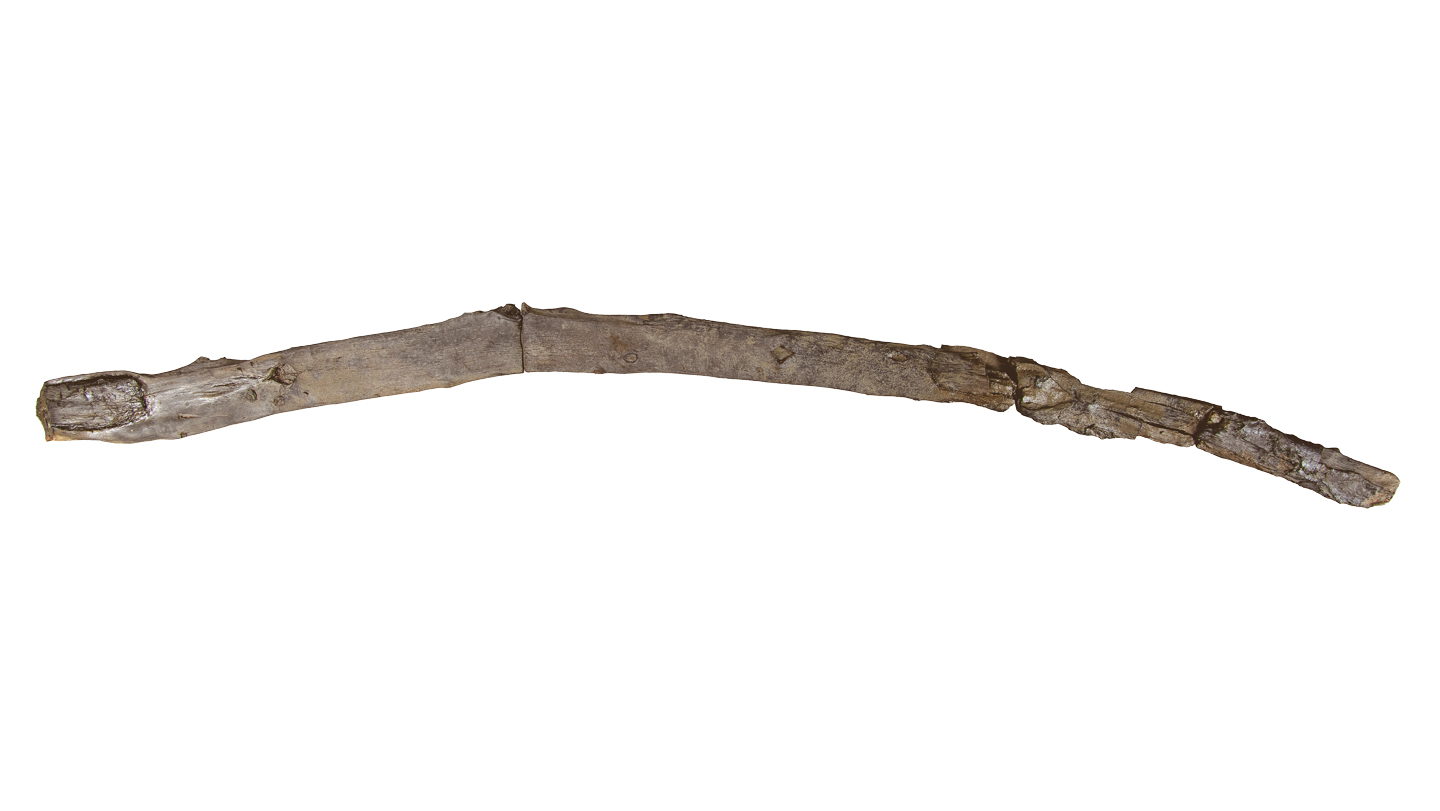
In an extraordinary archaeological discovery, researchers have unearthed some of the oldest handheld wooden tools ever found, dating back an astonishing 430,000 years. Found deep within what is now Greece’s Peloponnese Peninsula, these rare artifacts provide a remarkable window into how our early human ancestors utilized wood for practical purposes. The discovery includes a digging stick and a smaller mysterious tool, both preserved through a remarkable combination of waterlogged conditions and deep burial approximately 30 meters underground. “We were so lucky, incredibly lucky,” says paleolithic archaeologist Annemieke Milks from the University of Reading, highlighting the exceptional rarity of such well-preserved wooden implements from this distant era.
These ancient wooden tools were recovered from the Marathousa site, once an ancient lakeshore that has since dried up. Now a lignite mine, the area has yielded thousands of artifacts made from wood, bone, and stone, contributing significantly to our understanding of prehistoric technology. The larger of the two wooden implements—a digging stick measuring 81 centimeters (about two-and-a-half feet)—was found in four pieces and shows clear evidence of intentional craftsmanship. Analysis reveals that branches were deliberately removed and a handle was fashioned, indicating sophisticated woodworking skills. Although badly compressed over the millennia, researchers believe it was crafted from a slender alder trunk. Use-wear analysis confirms it was employed for digging, giving us insight into how our ancestors interacted with their environment to gather food or other resources.
The second artifact presents more of a mystery. Made from willow and measuring less than eight centimeters in length, this smaller tool shows clear signs of deliberate shaping, though its specific purpose remains elusive. Milks suggests it might have been used in conjunction with stone or bone tools found at the same site, possibly as a finishing tool for other objects. This uncertainty reminds us of how much remains unknown about our ancestors’ daily lives and technological capabilities, particularly regarding perishable materials like wood that rarely survive the passage of time. The meticulous analysis of these objects, including geomagnetic testing, has confirmed their extraordinary age, placing them among the earliest examples of human woodworking ever discovered.
These Greek artifacts join a small but growing collection of ancient wooden implements that are reshaping our understanding of prehistoric technology. In 2019, shaped logs dating back approximately 480,000 years were discovered at Zambia’s Kalambo Falls, while Neandertal wooden tools from Italy—including a wedge, a digging stick, and handles—have been dated to about 171,000 years ago. German sites have yielded Neandertal wooden spears from between 200,000 and 300,000 years ago. Perhaps most remarkably, a highly-polished piece of wood approximately the size of a book and dating back 780,000 years was found along the Jordan River in 1989, though its precise function remains debated. Naama Goren-Inbar, who led that excavation, believes it was part of a handheld tool, though damage to both ends makes definitive identification challenging.
These rare wooden artifacts hint at a vast technological world that has largely disappeared from the archaeological record. Bruce Hardy, an anthropologist at Kenyon College, notes that the Marathousa tools could have been crafted by either Neandertals or Homo heidelbergensis, suggesting that wooden technology might stretch even further back in human evolution. “We’re finding only a very small amount of the material culture that was made by these peoples, because it’s all perishable,” Hardy explains. His own research into Neandertal string, alongside studies indicating Neandertals used adhesives, further illustrates the sophisticated technologies our ancient relatives developed—technologies that typically leave little trace in the archaeological record.
The preservation of these wooden implements offers a precious glimpse into humanity’s lost technological history. As Larry Barham of the University of Liverpool, who made the Kalambo Falls discoveries, laments: “We are missing so much from the archaeological record of people’s day-to-day lives.” These wooden artifacts from Marathousa thus represent not only remarkable individual finds but also serve as ambassadors for countless similar tools that have vanished without trace. They remind us that our ancestors’ technological capabilities were likely far more advanced than the stone tools that typically dominate archaeological collections would suggest. By studying these rare wooden survivors, researchers continue to piece together a more complete picture of our evolutionary past—one that increasingly portrays our ancestors as resourceful, innovative toolmakers whose intelligence and adaptability helped shape the course of human development across hundreds of thousands of years.