


Imagine stepping back into the distant world of our ancient relatives, the Neanderthals—those sturdy, resourceful hominids who roamed Europe and parts of Asia during the Ice Age. Picture them around a flickering campfire, carefully gathering birch bark to craft something remarkable: a sticky, tar-like substance that they used to glue stones onto wooden handles, creating sharper tools for hunting or scraping hides. Now, a fascinating new study, published in PLOS One on March 18, suggests that this primitive glue wasn’t just for toolmaking—it might have doubled as an early antibiotic. For us modern humans, stumbling upon such a discovery is like finding out our ancestors had a secret first-aid kit tucked away in their caves. It raises the tantalizing possibility that Neanderthals, often portrayed as brute survivors in popular culture, were actually savvy enough to use nature’s bounty not only for survival but perhaps for healing wounds and staving off infections.
To grasp this breakthrough, let’s zoom in on the lead researcher, Tjaark Siemssen, an archaeologist at the University of Oxford. He’s the kind of scientist who gets his hands dirty—literally—to unearth clues about the past. Siemssen points out that Neanderthals burned birch bark to produce this tar through a process called pyrolysis, a slow, controlled burn that seals out oxygen to prevent the bark from turning to ash. Instead, it condenses into a viscous, dark substance perfect for hafting (attaching) tools. But here’s where it gets intriguing: in some modern human cultures, birch tar hasn’t been forgotten. Indigenous peoples in the Arctic incorporate it into wound dressings, where it acts like a natural bandage, sealing injuries while fighting off bacteria. Similarly, the Mi’kmaq people—also known as the L’nuk—in eastern Canada use a birch bark extract to combat skin infections. Laboratory tests have shown that these preparations can kill stubborn bacteria like Staphylococcus aureus, including the infamous MRSA strains that plague today’s hospitals. It’s almost poetic to think that what Neanderthals handled daily might have been their own version of an antiseptic wipe, perhaps smeared on cuts from flint blades or animal encounters in a harsh, unforgiving landscape.
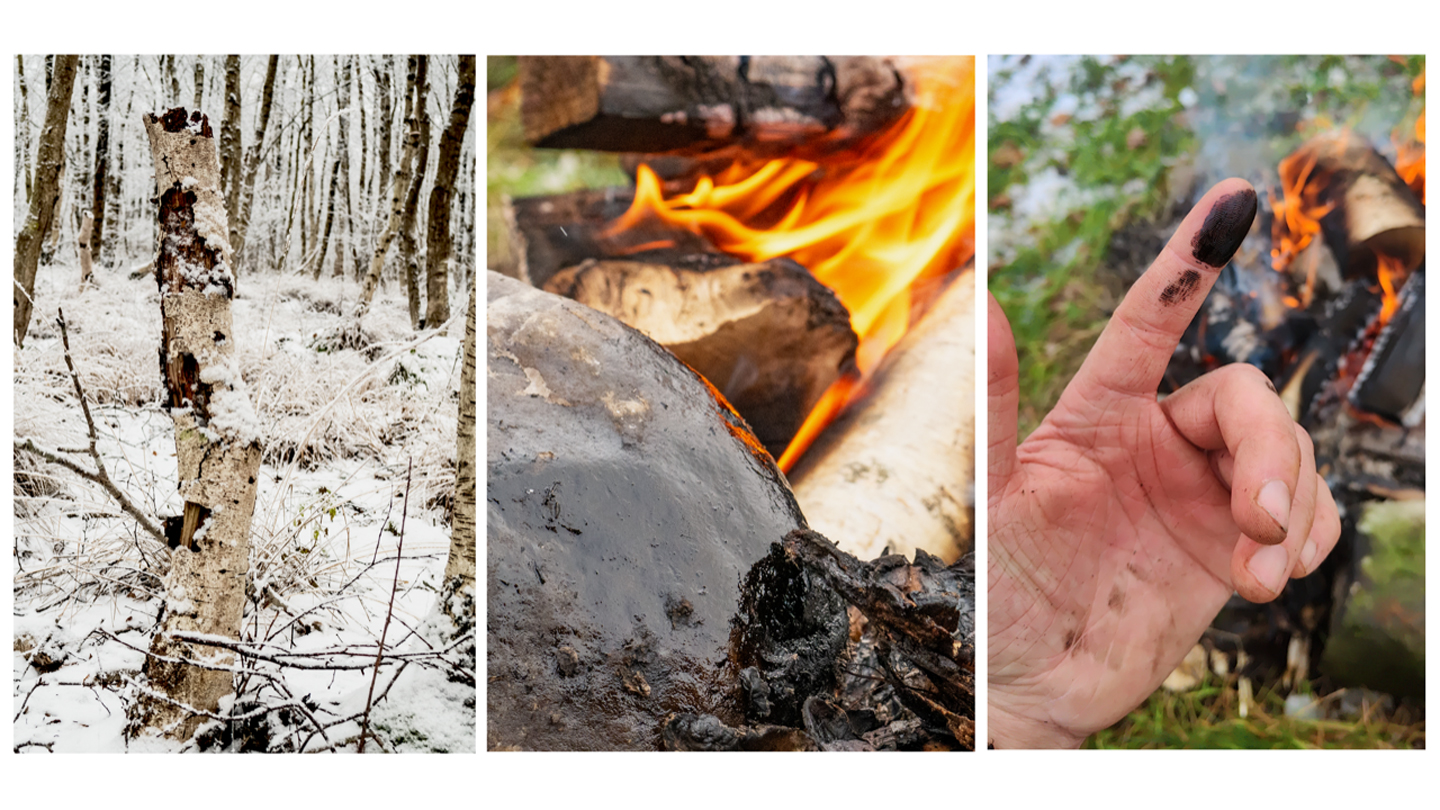
Delving deeper into Siemssen’s work, he and his team replicated Neanderthal methods to test the tar’s properties. They constructed airtight compartments to mimic the ancient process—no easy feat, as getting it wrong means ending up with useless ash instead of gooey tar. One technique involved placing bark under a rock and letting vapors condense, much like archaeologists believe Neanderthals did. Messy doesn’t even cover it; Siemssen admits to getting “very, very dirty” hands in the process, with tar clinging stubbornly to skin. They also tried modern versions using tins for containment, yielding more tar but echoing the same results. Crucially, regardless of the method, every sample displayed potent antibacterial activity. This wasn’t just random luck—it hints at Neanderthals’ ingenuity. Siemssen muses that if they were clever enough to produce such a complex material, they might have intuitively known its protective powers. In the Stone Age, where a simple wound could turn deadly from infection, having an antimicrobial go-to could have been a game-changer, helping these hominids live longer, heal faster, and thrive amid saber-toothed cats and woolly mammoths.
Expanding on this, it’s worth reflecting on how inclusive Neanderthals were in their relationship with the natural world. Archaeologists have unearthed evidence that they interacted deeply with their environment, using plants and resources for more than just sustenance. For instance, numerous medicinal herbs like yarrow and chamomile have been found at Neanderthal sites, some even embedded in their teeth as if they were chewing on them deliberately. Birch tar might fit right into this pattern—a versatile substance from a tree likely abundant in their wooded habitats. Siemssen suggests that this tar could have been another “natural remedy” in their repertoire, applied topically to prevent sepsis or soothe irritation. It’s a humbling thought: while we debate antibiotics in capsules, our long-lost cousins might have had nature’s own pharmacy at their fingertips. However, not everyone shares this optimistic view. Karen Hardy, an archaeologist specializing in ancient ecologies at the University of Glasgow, casts some doubt. She notes that Neanderthals lived in environments rich with other potentially antiseptic plants, questioning if birch tar was specifically chosen for its medicinal edge. Hardy’s contention is that just because it was used as an adhesive doesn’t automatically mean it was co-opted for health—correlation doesn’t imply causation, as researchers say.
Yet, this debate underscores a broader truth about Neanderthals: they were far more adaptive and observant than often credited. Siemssen emphasizes that the world they inhabited wasn’t passive—it was a toolkit, a pantry, and a medicine cabinet all rolled into one. Whether birch tar was consciously applied to wounds or just a happy byproduct, it speaks to their tech savvy and possibly nascent medical know-how. Imagine a Neanderthal scavenging birch bark after a successful hunt, perhaps experimenting with its products on minor injuries. Did they notice infections clearing up? Did they share this knowledge through guttural grunts or demonstrations? We may never know for sure, but speculative reconstructions from ancient tools and residues keep遗产Me this alive. In a time before doctors or pharmacies, relying on such substances highlights their resilience. It’s like realizing your tough grandfather, who swore by home remedies, had prehistoric roots—Neanderthals pioneering early pharmacology through trial and error.
Finally, this study invites us to reconnect with our own heritage and consider how natural substances might still hold lessons for contemporary medicine. Neanderthals didn’t leave written records, but their artifacts whisper stories of innovation. Birch tar’s dual role as glue and potential antibiotic bridges the gap between archaeology and microbiology, showing that evolution isn’t just about survival—it’s about clever adaptations. As Siemssen concludes, exploring these ancient practices enriches our understanding of humanity’s continuum. In an era grappling with antibiotic resistance, revisiting Neanderthal strategies feels prescient, almost like a nudge from the past. So, the next time you see birch trees swaying in the wind, you might pause and think: that sticky tar that once bound a stone age tool could have saved lives millennia ago. And who knows? It might inspire new treatments today, proving that sometimes, to heal wounds—old or new—you need to look back at where we came from. This isn’t just a scientific footnote; it’s a reminder of our shared, creative spark with extinct kin.)THRashIn the flickering shadows of ice age caves, our cousins the Neanderthals were tinkering with chemistry in ways that might make your hair stand on end. They weren’t just bashing rocks together for survival—they were mastering fire and flora to create a primitive adhesive that held their world together, quite literally. A groundbreaking study from March 18 in PLOS One plunges us into this prehistoric ingenuity, proposing that birch tar, their go-to glue for weaponizing stones on wood, could have been an accidental lifesaver as an ancient antibiotic. It’s a gritty, hands-on story of hominids who, amid the perils of saber-toothed tigers and biting cold, discovered nature’s way to fend off the invisible threats lurking in wounds. Picture it: a Neanderthal clan huddled around a controlled burn, coaxing viscous tar from birch bark to haft a spear—little did they know, this sticky stuff might have also been their secret weapon against festering infections from stabs and scrapes.
Zooming in, archeologist Tjaark Siemssen from the University of Oxford spearheads this revelatory work, bringing Neanderthal methods to life in his lab. He explains how these early humans conducted a technique called pyrolysis: a deliberate, oxygen-starved burn of birch bark to condense vapors into usable tar. Without air intrusion, ash is avoided, yielding a potent, sticky resin. Siemssen’s team recreated this, grappling with the messiness of manual production—imagine scraping tar off rocks while it clings stubbornly to every fresh burn. Yet, mediately, he wondered about healing potential. Echoing ancient wisdom, modern cultures like the Arctic Indigenous or the Mi’kmaq (L’nuk) peoples use birch derivatives for wounds, proven to slay bacteria such as Staphylococcus aureus and even MRSA. These tests reveal the tar’s antimicrobial magic, killing microbes with a punch similar to nature’s own defenses. For Neanderthals, this wasn’t abstract knowledge; in their toolbox-centric lives, it might have been intuitive—apply tar to a tool, notice a cut feels better. It’s exhilarating to think these “primitive” beings, often stereotyped in movies as cavemen, might have pioneered rudimentary medicine.
Siemsen and his colleagues dived into experimentation, trying Neanderthal-like setups: bark under rocks for vapor collection, scraped off for glue. They contrasted this with contemporary tins yielding more product, but consistency shone through—every formulation fought bacteria equally. The process mirrors ancient days, minus the scratches and grunts. Siemssen posits that Neanderthals, adept toolmakers, likely recognized therapeutic benefits, a survival hack in hazardous times. Compare to early Homo sapiens using ochre as an insecticide; it fits a pattern of proto-medical smarts. Having an antiseptic tar could have meant the difference between a healed wound and deadly sepsis, boosting their rugged existence against predators and whiplash injuries from hunting.
Broadening the lens, Neanderthals’ environment was a pharmacist’s apothecary. Sites yield herbal fossils—yarrow, chamomile— lodged in teeth, hinting at ingestion for ills. Birch tar complements this, another “faux-remedy” drawn from surroundings. Siemssen sees it as evidence of their holistic resource use, technologically and medicinally sophisticated. Yet, skepticism lingers from Karen Hardy, an University of Glasgow ecologist, who doubts purposeful medicinal intent. With plentiful alternative plants available, she argues adhesive use doesn’t equate to curative applications—perhaps overreading intent to our ancestors. Amid their tough, brief lives (some sources estimate as short as 20s), deliberate health practices seem plausible, though proof remains elusive.
Ultimately, this tar tale humanizes Neanderthals, revealing a creative lineage. Even if not deliberately therapeutic, their deep environmental engagement shows intelligence. Siemssen notes they extracted value where possible—tech from nature’s bounty. Isolated from our sanitized world, they crafted not just survival, but subtle health hacks. It’s a narrative of resilience, our DNA echoing theirs. In today’s antibiotic crises, revisiting ancestral insights feels relevant—birch tar’s timeless potency a bridge to innovation. Reflecting, we’re not so distant; their dirty-handed discoveries remind us of humanity’s inventive spirit, forged in fire and flora. Explore this, and you glimpse a richer past—one where sticking points meant more than meets the eye.
Wrapping up, the study’s implications ripple outward, urging appreciation for Neanderthal adaptability. Made from humble bark, their tar symbolizes crossroads of craft and care, potentially life-prolonging. Debatable on medicine, it’s undeniably impactful. As Siemssen asserts, their world provided abundantly—medicinally, practically. Modern science validates ancient serendipity, bacterial slaying tar a relic with modern relevance. This isn’t just paleo-history; it’s a call to humility, learning from kin who navigated prehistory with wits and warmth. In Neanderthal footsteps, we find echoes of our own, a sticky path from past to present healing. The world they inhabited, rich and responsive, still offers lessons—proving that even extinct cousins had tricks up their sleeves, waiting millennia to unveil.