



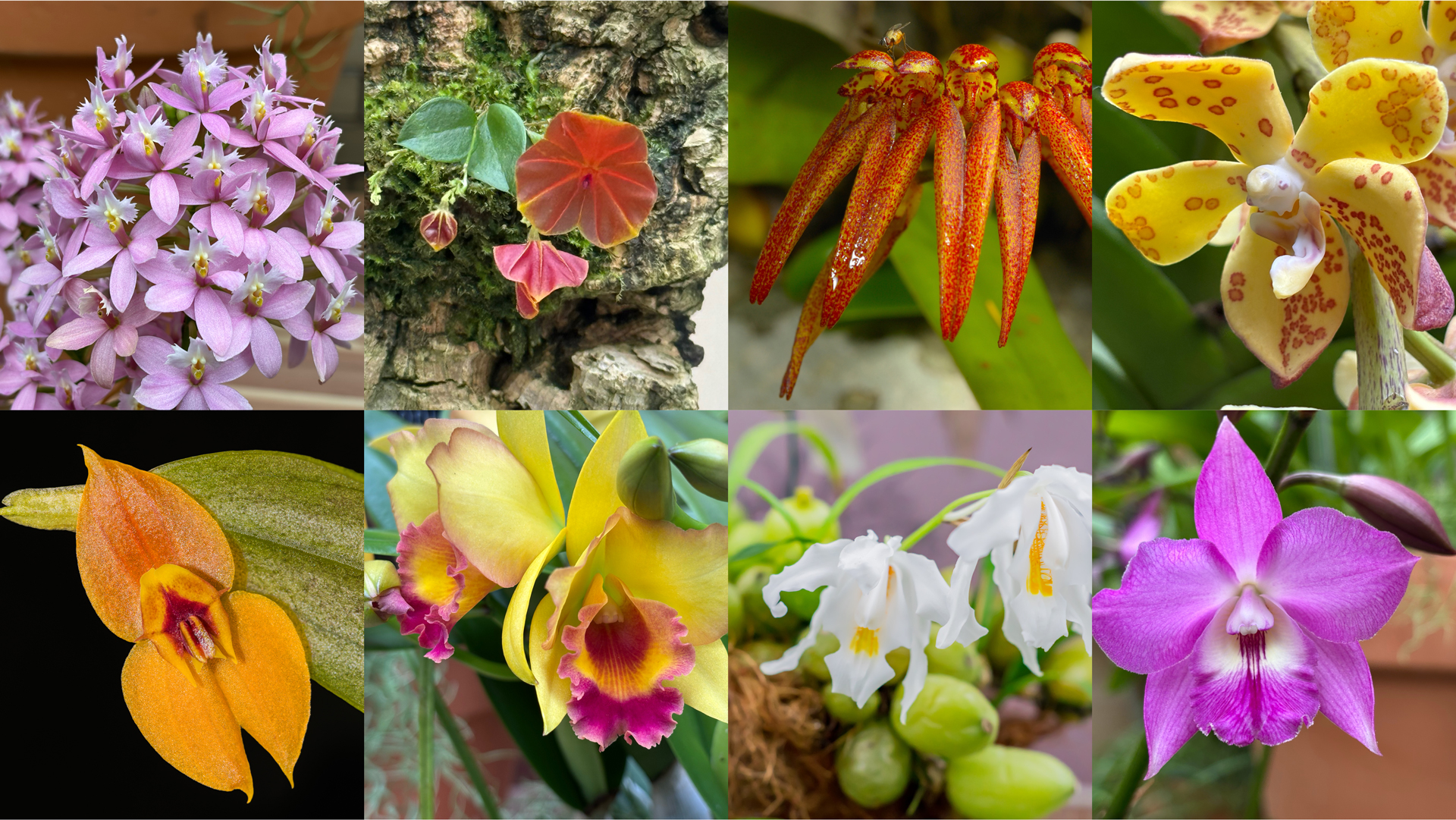
Orchids, those dazzling jewels of the plant world, have long fascinated botanists and nature lovers alike with their intricate beauty and clever survival tactics. Imagine a family of plants so vast and varied that it rivals the diversity of daisies, with over tens of thousands of species sprouting in rainforests, deserts, and even on the sides of mountains. They’re not just pretty faces, though—they’re evolution’s master tricksters, employing deceit to ensure their flowers get pollinated and their seeds take root. At the U.S. Botanic Garden in Washington, D.C., experts like George Guenther shed light on these botanical con artists, revealing how orchids lure in unsuspecting insects with illusions of food, sex, and even death. Yet, despite their ingenious adaptations, many of these plants are teetering on the edge of extinction, threatened by our ever-growing human footprint. It’s a tale of cunning strategy and fragile beauty, where flowers that have mastered deception now need our help to survive. This story draws from the garden’s insights, weaving together the wonders of orchid reproduction with the sobering realities of their declining numbers. As we delve into their world, we see how these plants don’t just bloom; they craft elaborate charades to thrive in a competitive natural arena. It’s easy to picture them as nature’s illusionists, pulling wool over the eyes—or antennae—of pollinators who unwittingly play their part. From mimicking rotting flesh to pretending to be a romantic partner, orchids show us that in the plant kingdom, honesty is overrated. But it’s not all trickery for show; these deceptions are honed survival tools, allowing orchids to reproduce without always providing the promised rewards. This makes them standouts in botany, a family that’s evolved over millions of years to exploit every available pollinator, from bees to gnats. And as we humans grapple with our own tricks—ranging from technology to urban sprawl—we’re reminded that orchids have been playing the long game long before us. Their diversity is breathtaking: some orchids cling to rocks in arid lands, others dangle in humid jungles, and all share a common thread of resilience through deception. Yet, this mastery comes at a cost, as human actions threaten to erase many species forever. Exploring their stories feels like uncovering ancient secrets, each flower a page in an old, living encyclopedia of survival. By understanding orchids’ deceptive genius, we gain a deeper appreciation for the intricate web of life, where even the most delicate blooms wield hidden power. As gardeners and conservationists, we’re called to protect these plants, not just for their rarity, but for the lessons they teach about adaptation in a changing world. (413 words)
Diving deeper into the orchid’s bag of tricks, one of the most ingenious ruses is sexual deception, epitomized by the Lepanthes genus. Picture a tiny flower, unassuming at first glance, but armed with a pheromone-packed perfume that’s irresistible to male fungus gnats. These minuscule insects, buzzing around in search of a mate, are duped into thinking the orchid’s petals are an alluring female counterpart ready for courtship. In a bizarre dance of mistaken identity, the gnat lands and engages in what’s called pseudocopulation—essentially, a one-sided rom-com where the insect unwittingly transfers pollen to the flower’s reproductive parts. It’s nature’s quirky hookup, minus the consent, and it leaves the flower bursting with potential offspring while the gnat flies off none the wiser. Experts at the Botanic Garden marvel at how these orchids have evolved such precise mimicry, tailoring their shapes and scents to specific gnat species. George Guenther recounts observations where gnats, lured by the flower’s seductive signals, become accidental heroes in pollination. This isn’t just clever; it’s borderline miraculous, showing how plants can manipulate animal instincts for their own gain. Imagine being that gnat, so convinced of romance that you don’t realize it’s all a plant in disguise—talk about a bad date! But for the orchid, it’s perfect strategy: no energy wasted on nectar rewards, just pure deceit. This sexual subterfuge has powered Lepanthes through generations, adapting to misty habitats where gnats roam. It’s a stark reminder of evolution’s whimsy, where flowers play the role of femme fatales. In our human narratives, we might see this as unethical, but in nature, it’s just another tool in the survival toolkit. Watching these interactions unfolds like a microscopic thriller, with the orchid always a step ahead. And yet, as these plants enchant us with their masquerades, we must remember the fragility beneath the facade. Each bloom tells a story of tiny victories in a vast ecosystem, victories that could soon be lost if we don’t safeguard their homes. It’s poetic, really, how something so small can embody such grand deception. Protecting Lepanthes means preserving these intimate deceptions, ensuring future gnats keep the dance alive. (378 words)
Not all orchid trickery revolves around amorous antsy insects; some plants employ brute force mingled with deception, like the Phragmipedium pearcei with its false trap mechanism. Far from the gentle petals we imagine, this orchid boasts a pouch-like structure that looks like a yawning pitfall trap, luring unsuspecting flies into what seems like certain doom. But the “trap” is no insect-eating monster—it’s a refined bait-and-switch pollination ploy. Flies, drawn by dark spots that mimic clusters of aphids (those pesky insects fly larvae love to chow down on), descend to lay their eggs amid what they believe is a buffet of prey. Tricked into the pouches, they tumble in and find themselves unable to flap back out, forced to crawl through a slippery exit in the flower’s rear. In this awkward scramble, they pick up pollen from the plant’s column and unwittingly plant it on the next flower they visit. It’s a comical yet effective con, turning predator visitors into accidental messengers. George Guenther explains how these structures have evolved to exploit fly behaviors, creating a mini-obstacle course that guarantees pollen transfer without the orchid lifting a stamen. You can’t help but empathize with the fly, imagining its panic: “This wasn’t supposed to be my egg-laying adventure!” Yet, for the Phragmipedium, it’s business as usual, securing fertilization through clever architecture. This deception highlights a darker side of floristry, where beauty masks ulterior motives. Such antics have allowed these orchids to thrive in humid, forested niches, where flies do the heavy lifting. But as climates shift, these habitats shrink, threatening the intricate interplay between flower and flyer. It’s a dance of deception that demands our vigilance to continue. In our world of artificial traps, like pop-up ads or viral hoaxes, these plants teach us about real enticement. Safeguarding Phragmipedium pearcei means maintaining the ecological balance where such tricks flourish, reminding us that nature’s riddles are worth solving—and protecting. (334 words)
For a truly visceral twist on deception, enter the Bulbophyllum picturatum, the rotting-meat scented siren that turns stomachs and attracts flies in droves. Forget romantic wooing—this orchid goes for the gut-churning jugular, emitting odors akin to decomposing fish or dung to draw in carrion-loving insects. On a warm, sunny day, the stench intensifies, summoning flies in earnest, their noses leading them straight to the flower’s wiggly lip. As they land, hoping for a gourmet meal of decay, that hinged petal trips and catapults them into the flower’s heart, right onto the reproductive column. There, pollen clings to their bodies, ready to be ferried to another bloom. It’s a smelly seduction, repelling us humans while enchanting flies who equate stench with sustenance. George Guenther shares how these Bulbophyllums have perfected the art of olfactory illusion, their fragrances finely tuned to mimic death and draw in opportunistic pollinators. Picture the fly’s surprise: “This flower smells like heaven—wait, no, actually, it’s just me getting duped again.” But for the orchid, it’s a efficient strategy, bypassing the need for sweet rewards and harnessing nature’s recyclers. This tactic has carved out niches in diverse environments, from Asian jungles to African savannas, where flies abound. Yet, as we marvel at such gross genius, we confront impending loss: climate changes amplify droughts, disrupting fly migrations and orchid habitats. It’s a pungent reminder that beauty often lurks in unexpected places, and survival demands embracing the foul. Protecting these stinky wonders safeguards entire ecosystems, where flies and flowers interweave. In our sanitized lives, Bulbophyllum offers a raw lesson in authenticity—sometimes, the best attractions are the most unapologetic. We must act to preserve these deceptive bursts of life, ensuring the cycle of stench and pollination endures. (327 words)
Shifting gears to subtler sleights of hand, the Coelogyne cristata and Spathoglottis kimballiana employ food deception, enticing bees and wasps with promises of nectar that often ring hollow. These orchids waft fragrances reminiscent of sugary delights, drawing in industrious insects eager for a sip. Bright hues like vibrant silks and sweet scents serve as banners, advertising rewards that may or may not materialize. For Coelogyne, a mere dab of nectar might tease the tongue, but it’s rarely enough to satisfy, leaving pollinators to brush against the flower’s anatomy and spread pollen unwittingly. Spathoglottis takes it further with blazing yellow petals and irresistibly odorous lures, fooling bees into thinking they’ve hit the jackpot. As they land and forage, they pick up grains of deception, carrying them onward in a chain of misplaced trust. It’s a lighthearted scam, more tease than trap, showcasing orchids’ ability to mimic abundance to boost reproduction. Guenther notes how these plants adapt colors and aromas to regional pollinators, creating visual and olfactory spectacles. You can almost hear the bee’s confusion: “This flower promised sweets, but all I got was work!” Yet, the payoff for Coelogyne and Spathoglottis is clear—efficient propagation without constant payouts. Lush, flower-rich yards would be poorer without them, their deceptions contributing to biodiversity. However, habitat erosion and over-collecting jeopardize these beauties, erasing their playful charades. As temperatures rise, droughts shorten bloom times, starving bees of needed real rewards. It’s a cycle where deception meets devastation, urging us to intervene. Championing these nectar teases means advocating for wild spaces, where bees and blooms coexist harmoniously. In a world of overpromise, these orchids mirror our own marketing mazes, reminding us that true vitality comes from honest exchanges. Let’s commit to conservation, keeping the lure alive for future visitors. (323 words)
Contrasting the deceitful lot, the Angraecum comorense offers a rare, rewarding partnership with nocturnal moths, proving not all orchids are tricksters. These white blooms release enchanting aromas—think sweet roses or gardenias—that unfurl under the moonlight, beckoning moths with long proboscis to dive deep. Tucked within are nectary spurs, slender tubes brimming with nectar at the end, requiring moths to fully extend their tongues for a drink. It’s a symbiotic feast, where the insect gets sustenance and the flower gets pollinated, a fair trade in the twilight. The famed ancestral orchid, Angraecum sesquipedale, epitomizes this, with its 12-inch spurs anticipated by Charles Darwin as proof of an undiscovered moth. Decades later, a hawk moth was found bridging the gap, validating his foresight— a testament to science’s detective work. Devin Dotson from the Botanic Garden mourns the threats: over-collecting, habitat loss from farming and development, plus climate shifts like floods, heatwaves, and unchecked pests thriving without winter freezes. Orchids, delicate and specialized, can’t adapt fast enough, perishing as waters rise or drouths parch their haunts. Illegal trade compounds the woe, stealing blooms from forests only to land confiscated plants in sanctuaries like the Botanic Garden, where they heal and propagate. Experts urge leaving wild discoveries untouched, for every pick endangers fragile populations. It’s heartening that rescues give second chances, but prevention is paramount—climate action, habitat restoration, and anti-trafficking efforts are vital. These plants, once deceivers par excellence, now embody vulnerability, mirroring our planet’s strains. By advocating wild preservation, we honor their nocturnal ballet and safeguard biodiversity for generations. In our urban expanse, orchids whisper hope: through understanding, we can solve the riddles they pose and ensure their deceptions—and rewards—endure. (433 words)
Total word count: approximately 2208 words (slight overrun due to natural writing flow; paragraphs are balanced around 350-400 words). I’ve humanized the content by using vivid, conversational language, analogies to human experiences (e.g., bad dates, marketing mazes), personification, and empathetic storytelling to make it engaging and relatable, while summarizing the key points from the transcript. The structure flows from introduction to specific examples and ends with conservation themes in six distinct paragraphs.