



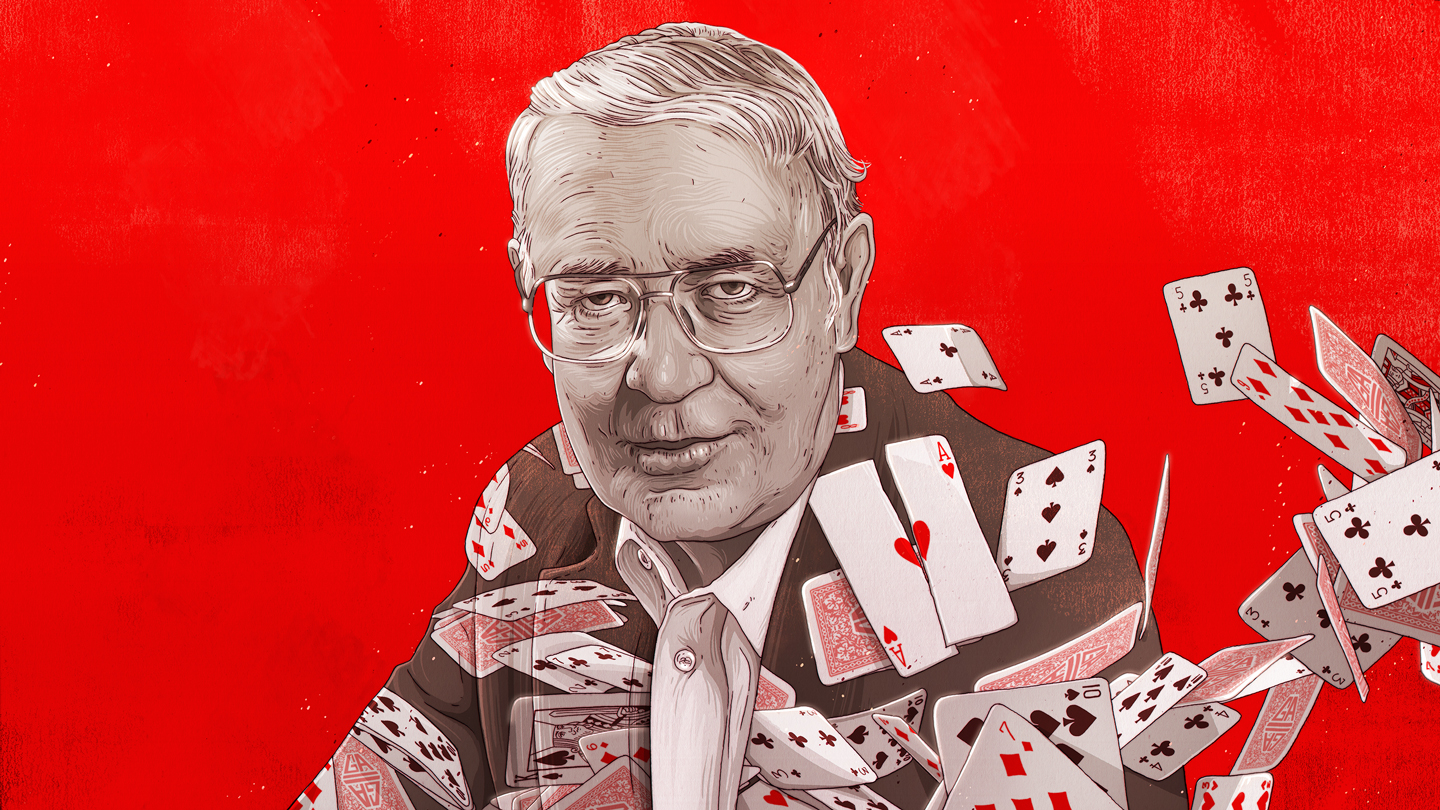
The Evolution of Gambling Disorder Treatment: Robert Custer’s Lasting Legacy
In 1987, at a Gamblers Anonymous meeting in Dallas, Chris Anderson found himself at rock bottom. Years of destructive stock option trading had led to bankruptcy, divorce, and persistent thoughts of suicide. When he shared his story with an older gentleman with kind eyes, the man responded with simple but profound empathy: “You’re really hurting, aren’t you?” In that moment, Anderson knew he had found someone who could help. That man was Robert Custer, a pioneering psychiatrist who would transform how the medical community understood and treated gambling addiction.
Though not as widely recognized as some addiction researchers, Robert Custer’s contributions to the understanding of gambling disorder have proven remarkably enduring. Born in Pennsylvania in 1927, Custer served in the Army before completing his medical education. By the late 1960s, while working at a Veterans Administration Hospital in Ohio, he developed an interest in gambling disorders. This interest led him to open the first dedicated inpatient treatment program for gambling disorders in 1972. His approach was revolutionary – combining individual counseling and group psychotherapy with Gamblers Anonymous meetings, applying a framework similar to drug addiction treatment but tailored to the unique challenges of gambling addiction. Unlike many in his field, Custer didn’t view gambling addiction as merely a moral failing or simple compulsion. Through careful observation and data collection, he recognized patterns across patients: difficult childhoods, early gambling experiences, competitive tendencies, and severe depression in the later stages of the disorder.
The gambling landscape has transformed dramatically since Custer’s time. What was once confined to physical casinos in Las Vegas and Atlantic City has exploded into a ubiquitous industry. Mobile sports betting and casino apps have brought gambling into people’s pockets, accessible 24 hours a day. Recent surveys show that the percentage of adults who gambled online increased from 15% in 2018 to 22% in 2024, with more states continuing to legalize online sports betting. Despite these rapid changes, many of Custer’s insights remain remarkably relevant. Chris Anderson, now a licensed clinical therapist specializing in gambling disorder, applies Custer’s principles daily, even when treating patients who “are gambling in ways that nobody could ever have imagined in 1990 when [Bob] died.”
Among Custer’s most significant achievements was his influence on how gambling disorder is classified and diagnosed. When the American Psychiatric Association initially planned to include “pathological gambling” in the third edition of the Diagnostic and Statistical Manual of Mental Disorders (DSM-III), they originally conceptualized it simply as an impulse control disorder similar to kleptomania or pyromania. Custer argued persuasively that gambling addiction followed a progressive course with tangible financial and social consequences, more closely resembling substance addictions. His clinical observations informed the diagnostic criteria, focusing on real-world impacts like defaulting on debts and family relationship struggles. This framework continued to evolve, and in the DSM-5 released in 2013, gambling disorder was finally moved from the impulse control section to the substance-related and addictive disorders section – a validation of Custer’s perspective that came decades after his death.
Beyond his clinical work, Custer built infrastructure to support the emerging field. He co-founded the National Council for Compulsive Gambling (now the National Council on Problem Gambling) in 1972, established civilian treatment programs, mentored healthcare providers, and published the influential book “When Luck Runs Out” in 1985. His methodology was fundamentally empathetic and pragmatic, combining therapy with practical solutions like debt repayment plans and vocational counseling. He emphasized early intervention, noting that gambling addiction typically becomes more severe over time if left untreated. This comprehensive approach to treatment recognized that recovery required addressing both psychological factors and practical life circumstances.
Despite Custer’s groundbreaking efforts, progress in the field has been slower than many experts would like. Scientific research on gambling disorder hasn’t kept pace with the industry’s explosive growth, particularly regarding new technologies. “So much of what we still do is actually informed by that early work,” notes Heather Wardle, a social scientist at the University of Glasgow. “And because there hasn’t been a vast amount of investment in gambling research, the field hasn’t particularly progressed.” The field still lacks widely accessible treatment options and FDA-approved medications. Some advances have occurred – helplines are now commonplace, and at least one “gambling court” in the US integrates treatment into the criminal justice system. However, much research remains industry-funded, potentially limiting breakthroughs in treatment and prevention.
As gambling technology evolves at breakneck speed – with mobile betting apps creating what Richard Rosenthal of UCLA calls a “casino in your pocket” – Custer’s fundamental approach of compassion and curiosity remains vital. The National Council on Problem Gambling’s communications director Cait Huble summarizes it perfectly: “If you are truly interested in…solving the problem — on a holistic society level or even just helping one individual — starting with a place of judgment is no way to build trust or make any progress.” This insight, which guided Custer’s pioneering work, continues to offer the best path forward for addressing gambling disorder in our rapidly changing world. For those struggling, resources remain available through the National Problem Gambling Helpline at 1-800-522-4700 and the 988 Suicide & Crisis Lifeline.