


Minneapolis Mayor Jacob Frey’s Bold Stand Against Federal Immigration Enforcement
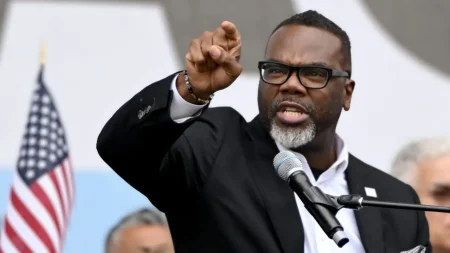
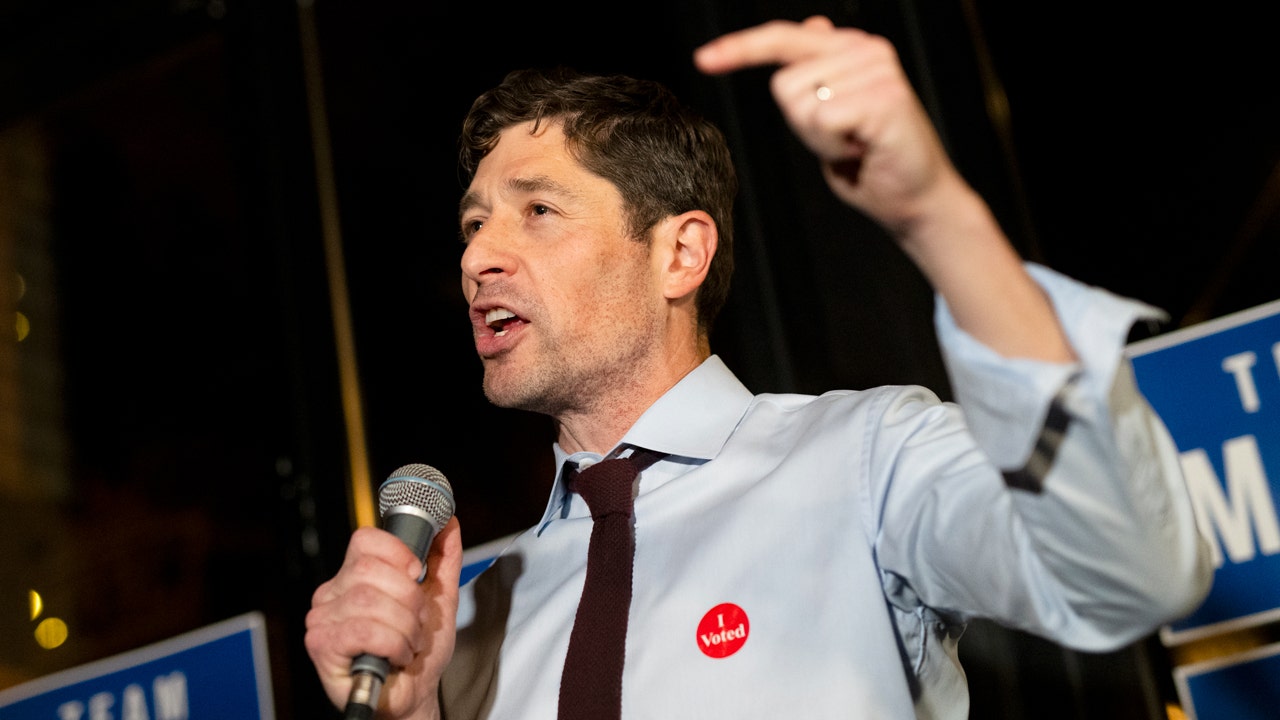
In a display of fiery opposition to federal immigration operations, Democratic Minneapolis Mayor Jacob Frey made headlines this week with his blunt directive to immigration authorities to “get the f— out of Minneapolis” following a fatal shooting involving a federal immigration officer. This confrontational stance represents just the latest chapter in Frey’s ongoing resistance to what he perceives as harmful immigration enforcement actions in his city.
The mayor’s explosive comments came during a press conference addressing an incident where Department of Homeland Security officials claimed they were conducting an operation when protesters began blocking ICE vehicles. According to federal authorities, one driver allegedly attempted to use her vehicle as a weapon against law enforcement officials—an act they characterized as “domestic terrorism.” Frey vehemently disputed this narrative, dismissing the self-defense justification as “garbage.” His passionate response highlighted his belief that federal immigration enforcement is causing harm rather than promoting safety: “We do not want you here. Your stated reason for being in this city is to create some kind of safety, and you are doing exactly the opposite. People are being hurt, families are being ripped apart.”
Frey’s opposition to aggressive immigration enforcement has been a defining feature of his mayoral tenure. Recently sworn in for his third and final term, he has consistently positioned Minneapolis as a “safe haven” for undocumented immigrants, particularly in defiance of heightened deportation efforts. His administration has backed these promises with concrete action, including an executive order prohibiting the use of city property for immigration operations. He has also maintained that under the city’s “separation ordinance,” Minneapolis police will neither gather information about individuals’ immigration status nor arrest anyone solely for being in the country illegally—policies explicitly designed to shield immigrant communities from federal enforcement actions.
The mayor’s confrontational approach toward federal immigration authorities reflects his broader political positioning, though it hasn’t come without criticism from various quarters. He was reportedly heckled at his recent swearing-in ceremony by critics concerned about the police department’s handling of domestic violence situations. Perhaps more notably, Frey experienced a dramatic rejection from progressive protesters following George Floyd’s death in 2020, when he was booed out of a demonstration after refusing to support calls to defund the Minneapolis Police Department. Video from that incident showed Frey being publicly questioned by protest leaders about police abolition, to which he acknowledged coming to terms with his “own brokenness in this situation” while promising to address “a systemic racist system.”
Frey’s political journey illustrates the complex challenges facing progressive urban mayors who must balance competing priorities and constituencies. Having secured his third term against progressive challenger Omar Fateh (described as the “Mamdani of Minneapolis”), Frey drew both praise and mockery for speaking in Somali during his victory speech—an apparent attempt to connect with the city’s significant Somali immigrant population. This gesture underscores his efforts to position himself as an ally to immigrant communities, even as he navigates the political complexities of progressive urban governance in a city that has become a focal point for national debates about policing, immigration, and social justice.
As federal immigration operations intensify in Minnesota, including those targeting refugees for potential deportation amid fraud investigations, Frey’s confrontational stance represents a significant challenge to federal authority in immigration enforcement. His explicit rejection of federal immigration operations in Minneapolis aligns with statements from other Minnesota officials, including a state senator who called on ICE to “leave now for everyone’s safety” following the shooting incident. This coordinated resistance from local and state officials highlights the growing tensions between federal immigration enforcement priorities and local governance in cities with significant immigrant populations—a conflict that seems likely to intensify as immigration remains a contentious national issue.