




U.S. Forces Strike Drug Trafficking Vessels in Eastern Pacific
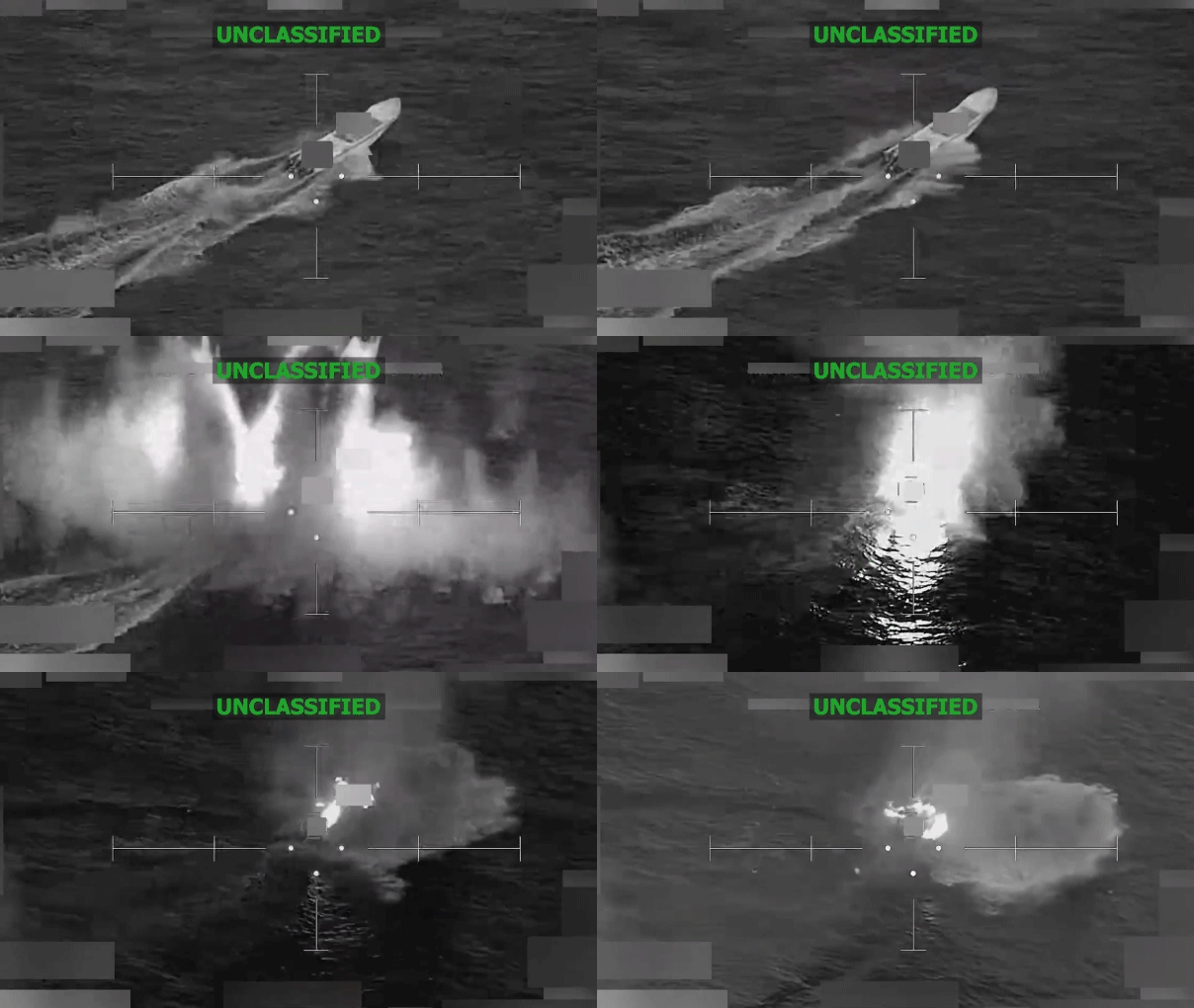
In a dramatic military operation on December 18, Joint Task Force Southern Spear forces successfully targeted two vessels allegedly operated by narco-terrorists in international waters of the Eastern Pacific. The precision strikes resulted in the deaths of five male militants, with U.S. Southern Command (SOUTHCOM) confirming that no American personnel were harmed during the engagement. The operation, directed by Secretary of War Pete Hegseth, was part of an intensified campaign to disrupt major drug trafficking routes that funnel narcotics into the United States. SOUTHCOM released footage of the engagement showing one of the targeted vessels consumed by flames following the strike, highlighting the decisive nature of the military action against what officials described as vessels “operated by Designated Terrorist Organizations” and “engaged in narco-trafficking operations.”
This recent operation reflects the current administration’s more aggressive approach to combating drug trafficking networks, particularly those connected to terrorist organizations. Joint Task Force Southern Spear represents a strategic fusion of Navy, Coast Guard, intelligence, and special operations capabilities specifically designed to rapidly identify and neutralize time-sensitive targets at sea. While the Pentagon has not disclosed the specific terrorist organization affiliated with the five individuals killed in the December 18 operation, previous strikes have targeted groups such as Venezuela’s Tren de Aragua and Colombia’s Ejército de Liberación Nacional. These organizations have long exploited maritime routes through the Eastern Pacific and Caribbean to transport illicit drugs destined for American communities.
The December 18 strikes continue a campaign that began on September 2 with an operation that reportedly killed 11 alleged members of Tren de Aragua. Since then, U.S. forces have conducted dozens of similar strikes against suspected drug trafficking vessels, including submersibles, fishing boats, and high-speed craft traversing known narcotics corridors. These operations represent a significant policy shift, emphasizing lethal force against what the administration considers narco-terrorist threats operating in international waters. Secretary Hegseth has defended these actions, drawing a contrast with previous approaches by stating that while the “Biden [administration] coddled terrorists, we kill them,” signaling the current administration’s intent to pursue more direct military solutions to drug trafficking.
The intensification of military strikes against maritime drug trafficking targets coincides with the Trump administration’s recently launched “Fentanyl Free America” initiative. This comprehensive plan aims to combat the devastating opioid epidemic that continues to claim tens of thousands of American lives annually. According to the Drug Enforcement Administration (DEA), the naval operations targeting suspected Caribbean drug vessels have already shown promising results in disrupting the flow of illegal narcotics, particularly fentanyl, into the United States. These maritime interdiction efforts form a critical component of a broader strategy to attack drug supply chains at multiple points before they can reach American shores.
The Eastern Pacific corridor has long been recognized as a primary transit zone for drug cartels and affiliated terrorist organizations moving narcotics northward toward the United States. By targeting vessels in international waters, U.S. forces can intercept shipments before they reach territorial boundaries where interdiction becomes more legally and logistically complex. The Joint Task Force’s ability to rapidly identify, track, and strike these vessels demonstrates significant intelligence capabilities and operational readiness. While these operations have proven effective at disrupting specific shipments, they also serve a deterrent function, potentially forcing trafficking organizations to reconsider the risks associated with maritime transport routes.
As these military operations continue, questions remain about their long-term impact on drug trafficking patterns and whether they will significantly reduce the availability of dangerous narcotics in American communities. While tactical successes at sea represent important victories, the adaptive nature of criminal organizations suggests they may shift to alternative routes or methods in response to increased military pressure. Nevertheless, the administration appears committed to this more aggressive posture, with Secretary Hegseth and military leaders emphasizing that disrupting these networks at sea prevents drugs from reaching American streets while simultaneously weakening terrorist organizations that profit from the narcotics trade. The December 18 operation, resulting in five militant casualties and the destruction of two trafficking vessels, represents the latest chapter in this evolving security campaign that blends counterterrorism and counter-narcotics objectives under a single operational framework.