


Daycare Fraud in Minnesota: A Years-Long Scheme Exposed
Recent investigations into Minnesota daycare fraud have uncovered evidence that these schemes aren’t new, but rather part of a pattern dating back at least to 2015. A resurfaced video from a 2018 local Fox report shows parents checking children into Hennepin County daycare facilities only to leave with them minutes later—a key component of a fraud scheme where providers would claim government reimbursement for services never rendered. The surveillance footage reveals how some daycare centers would operate as fronts, with few or no children actually receiving care despite the centers billing the government as if they were at capacity. In some cases, parents received kickbacks for participating in these deceptive arrangements, as shown in footage of a man handing an envelope to a parent, allegedly containing payment for their role in the scheme.
This renewed attention to daycare fraud in Minnesota comes amid public outrage sparked by a viral video posted by Nick Shirley, showing visits to multiple childcare centers that received substantial state funding despite appearing largely inactive. The video has ignited criticism against Minnesota Governor Tim Walz from prominent figures including Vice President JD Vance, Donald Trump Jr., and Elon Musk. Even the White House has acknowledged the situation, reposting Education Secretary Linda McMahon’s statement calling the alleged fraud a “breathtaking failure.” This controversy adds to the existing scandal within Walz’s administration concerning at least $1 billion reportedly lost to alleged social services fraud, with much of it connected to Minneapolis’ Somali community, prompting some commentators to make broad allegations about community involvement.
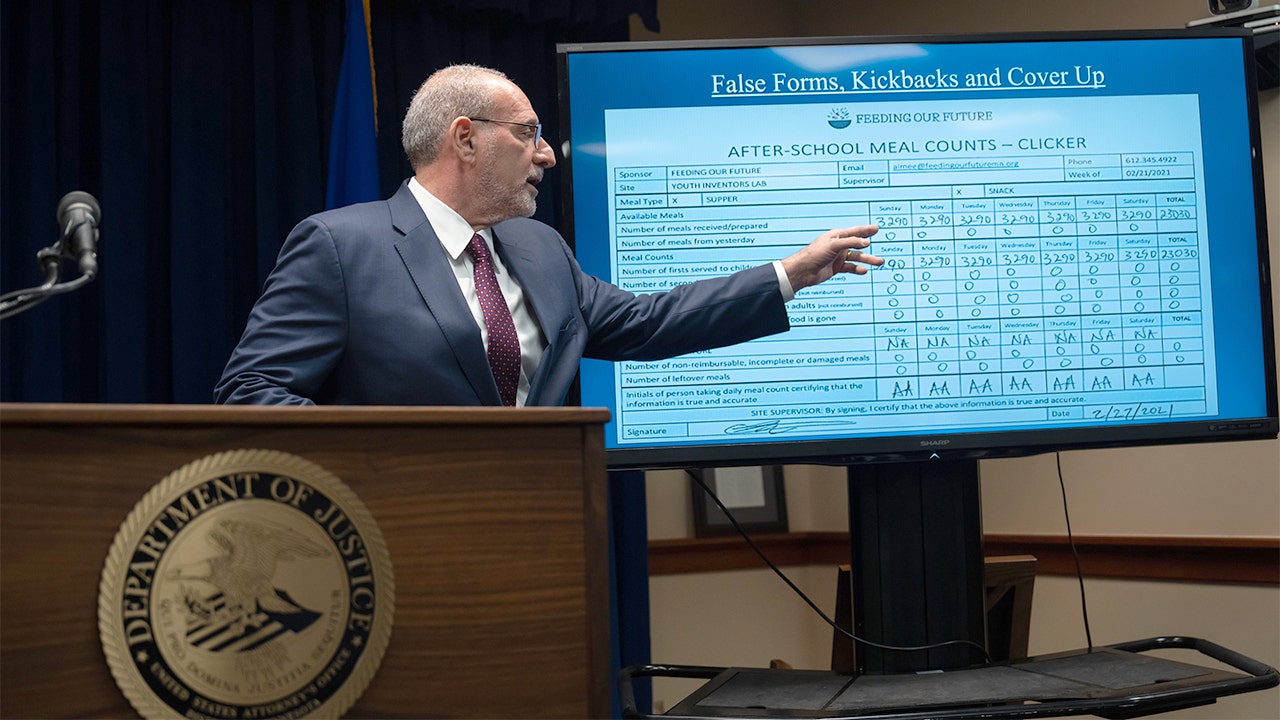
The scope of the fraud has prompted federal authorities to take significant action. FBI Director Kash Patel announced that the agency has deployed additional personnel and investigative resources to Minnesota as part of ongoing efforts to “dismantle large-scale fraud schemes exploiting federal programs.” Patel clarified that these resources were moved into the state before the recent viral attention, noting that the bureau had already been investigating the “Feeding Our Future” case, which uncovered a $250 million scheme that diverted federal food aid intended for children during the COVID-19 pandemic. This investigation has already resulted in 78 indictments and 57 convictions, demonstrating the extensive nature of these fraudulent operations.
The “Feeding Our Future” investigation also revealed the lengths to which those involved would go to protect their schemes, with prosecutors charging defendants in a separate plot to bribe a juror with $120,000 in cash. According to Patel, this case likely represents “just the tip of a very large iceberg,” with the FBI continuing to “follow the money and protect children.” The agency has indicated that the investigation remains active and ongoing, suggesting that more revelations and charges may be forthcoming. Additionally, many individuals involved in these schemes are being referred to immigration officials for possible denaturalization and deportation proceedings where applicable, highlighting the multi-faceted approach authorities are taking to address this widespread fraud.
What makes these cases particularly troubling is that they involve the exploitation of programs designed to help vulnerable children and families. The daycare fraud schemes target subsidies meant to provide quality childcare for low-income families, allowing parents to work or attend school while ensuring their children receive proper care. Similarly, the “Feeding Our Future” fraud diverted funds from a program intended to feed hungry children during the pandemic. The scope of these schemes—potentially amounting to billions of dollars—represents not just financial theft but also a betrayal of public trust and a diversion of resources from those who genuinely need assistance. The societal impact extends beyond the financial loss, affecting the legitimacy and sustainability of vital social support programs.
The unfolding situation in Minnesota highlights critical questions about oversight and accountability in government-funded social service programs. How did these schemes operate for years without detection? Were warning signs missed or ignored? The longevity of these fraud operations—dating back to at least 2015—suggests possible systemic failures in verification processes and program monitoring. As federal and state authorities continue their investigations, there will likely be increasing pressure for reform in how these programs are administered and overseen. The case also underscores the importance of whistleblowers and investigative reporting in bringing such abuses to light, as both the 2018 Fox report and the recent viral video have played crucial roles in generating public awareness and prompting official action.
As investigations continue and more details emerge, Minnesota’s daycare fraud scandal serves as a sobering reminder of the vulnerabilities within social service systems and the need for robust safeguards against exploitation. The challenge for authorities and policymakers will be addressing these vulnerabilities while ensuring that legitimate beneficiaries don’t face additional barriers to accessing needed services. Meanwhile, the individuals and communities affected by these revelations—including honest daycare providers, families who depend on childcare assistance, and taxpayers—must navigate the fallout from what appears to be one of the most extensive social services fraud cases in recent American history. The coming months will likely bring further developments as investigators continue to unravel the full extent of these schemes and hold responsible parties accountable.