

Trump’s Clash with Indiana Senate Leader: A Battle Over Redistricting
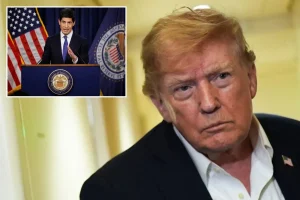
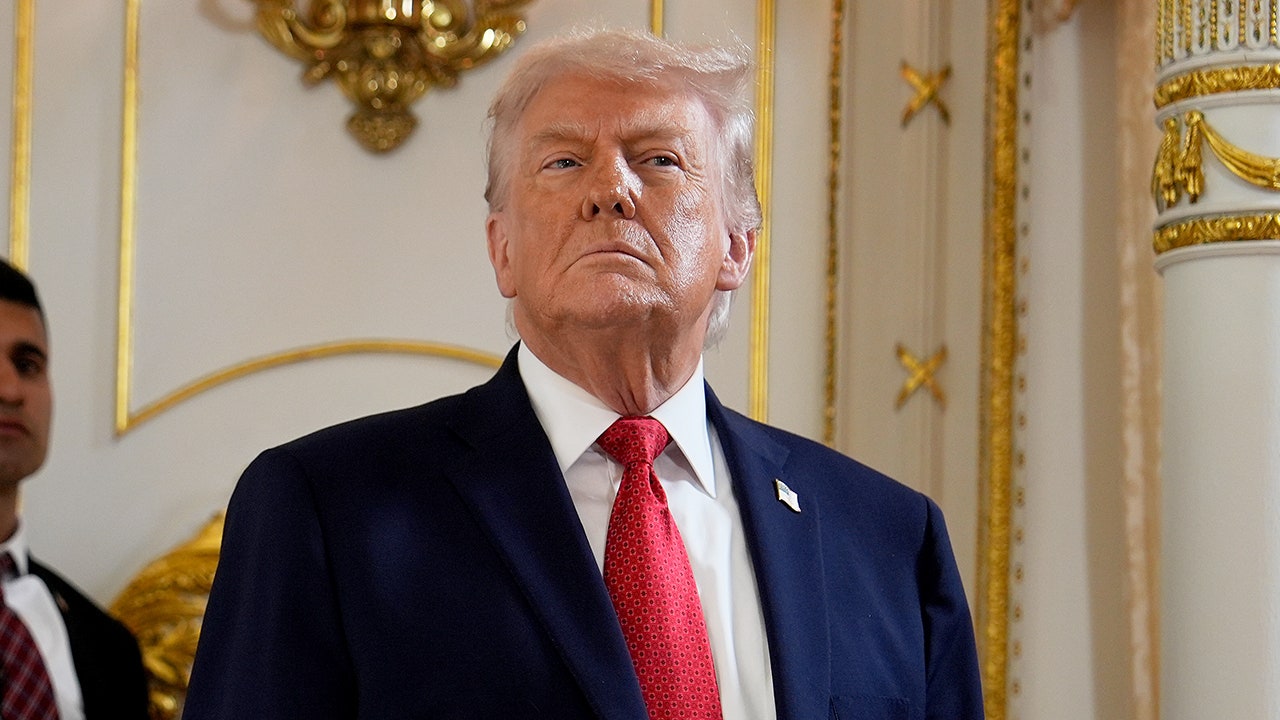
In a bold move that highlights the intense political maneuvering ahead of the midterm elections, President Donald Trump has publicly declared war on Indiana Senate Majority Leader Rod Bray. The conflict stems from Bray’s resistance to a congressional redistricting map that Trump strongly supported. Taking to his Truth Social platform, Trump didn’t mince words, vowing to “take out” Bray, whom he labeled a “total RINO” (Republican In Name Only) for what he perceives as betrayal of the Republican Party. The president’s aggressive stance underscores his continued influence within the party and his determination to shape electoral maps that could benefit Republican candidates in upcoming elections. “We’re after you Bray, like no one has ever come after you before!” Trump warned, making clear the personal nature of this political vendetta.
Trump’s redistricting campaign extends far beyond Indiana, forming part of a nationwide strategy to secure Republican advantages in the House of Representatives. He’s partnered with David McIntosh, a former Indiana congressman and founder of influential conservative groups including the Federalist Society and the Club for Growth. McIntosh quickly affirmed his allegiance to Trump’s plan, stating bluntly, “President Trump and I are aligned. Rod Bray is going down.” Their collaboration targets states across the country, with Texas, Missouri, North Carolina, and Ohio already having drawn new maps as part of the president’s initiative. This coordinated effort reveals the high stakes of redistricting battles that often receive less public attention than candidate races but can significantly impact party control in Congress.
At the heart of the Indiana conflict is a proposed redistricting map that would have created two additional right-leaning congressional districts, effectively eliminating districts currently held by Democrats. While the bill successfully passed the Indiana House with a 57-41 vote (though notably with a dozen Republican dissenters), it faced stronger opposition in the Senate. In December, the Indiana Senate voted 31-19 against the new congressional map, with 21 Republicans joining 10 Democrats to defeat the measure. Bray had consistently maintained that there wasn’t sufficient support in the chamber for redistricting, despite increasing pressure from Trump and his allies. This resistance from Republican state senators to fall in line with Trump’s redistricting agenda demonstrates the complex intra-party dynamics at play.
The president’s team mounted an aggressive campaign to influence Indiana lawmakers before the crucial vote. Trump personally called state legislators about the bill, while Vice President JD Vance visited Indiana twice last fall specifically to discuss redistricting. When the Senate ultimately rejected the proposal, Trump’s response was immediate and severe, threatening to use his considerable political influence to oppose Bray and any Republicans who voted against the redistricting bill in their primary elections. This approach illustrates Trump’s willingness to target members of his own party who he believes aren’t sufficiently loyal or supportive of his agenda, potentially creating divisions within Republican ranks at a time when party unity might otherwise be prioritized.
The battle over redistricting has taken on additional urgency for Republicans following recent developments in Virginia, where Democrats have made moves to redraw congressional maps. The Virginia state Senate recently approved a constitutional amendment that would allow the Democrat-controlled legislature to redraw U.S. House maps before the midterm elections, potentially creating several new left-leaning districts. Vice President Vance directly connected these events to the situation in Indiana, criticizing Bray on social media: “I’d like to thank @bray_rodric for not even trying to fight back against this extraordinary Democrat abuse of power. Now the votes of Indiana Republicans will matter far less than the votes of Virginia Democrats. We told you it would happen, and you did nothing.” This comparison frames the Indiana Senate’s rejection of Trump’s redistricting plan as not merely a local issue but as part of a broader partisan struggle with national implications.
The increasingly public and personal nature of this redistricting fight reflects the high-stakes atmosphere surrounding the upcoming midterm elections. Trump’s direct involvement in state-level redistricting efforts demonstrates his ongoing commitment to maintaining influence within the Republican Party and shaping its electoral strategy. For their part, Democratic lawmakers in states like Virginia appear equally determined to use redistricting to their advantage where possible. As both parties jockey for position through these map-drawing battles, the tensions between Trump and Republican leaders like Bray highlight the challenging balance many GOP officials face – navigating between loyalty to Trump and his agenda and responding to the diverse perspectives within their own constituencies and caucuses. With months still to go before the midterms, these redistricting conflicts may well be just the opening salvos in what promises to be a fiercely contested election cycle.