


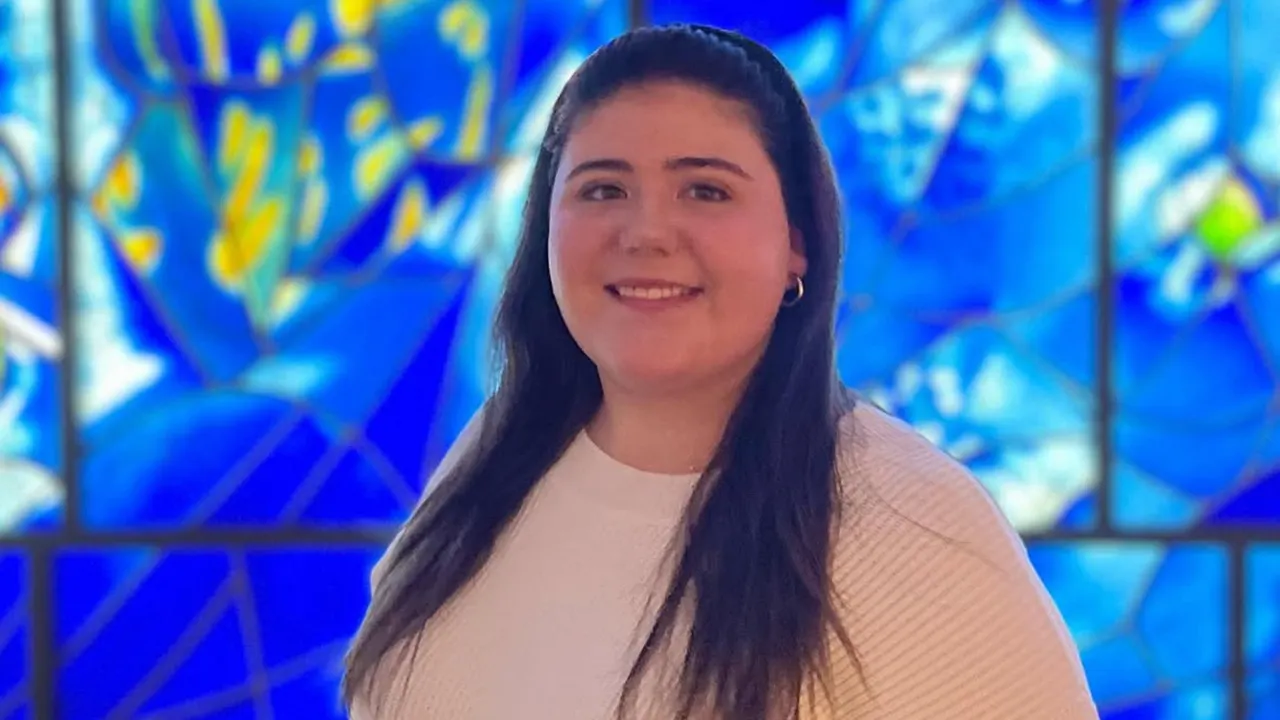
A Bright Life Cut Short: Sheridan’s Story and Dreams
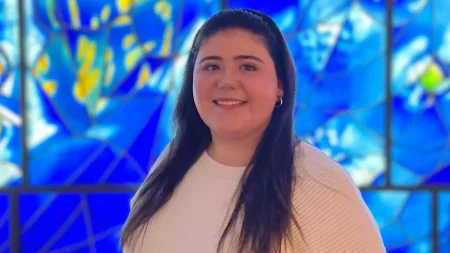
Sheridan Gorman was just 18 years old, a vibrant New York native whose world was full of promise and possibility. Freshly embarking on her college journey at Loyola University Chicago, Sheridan embodied the spirit of youthful ambition. She had moved to the bustling city of Chicago to chase her dreams, leaving behind her loved ones in the comfort of home. Imagine the excitement of starting fresh, the nervous energy of lectures, late-night study sessions, and newfound friendships forging in a new chapter of life. Sheridan’s major wasn’t specified in the reports, but it felt like she could have been anyone—maybe aspiring to art, science, or helping others. Her family, especially her mother Jessica, painted her as a sweet, compassionate soul who lit up every room she entered. She was only a few months from wrapping up her freshman year, that monumental step toward adulthood and independence. On a typical night out with friends, near the serene yet lively Rogers Park pier in Chicago, what should have been a fun, carefree evening turned into a nightmare that no parent should ever endure. As a community, we often celebrate the small victories of young lives like Sheridan’s—graduations, birthdays, first loves—but this loss reminds us how fleeting it all can be. It’s heartbreaking to think of her family waiting for her call that night, unaware that their world was about to shatter. The pier, a place of laughter and memories for so many, became the site of an unimaginable tragedy, stripping away the innocence of a girl’s future. Her absence leaves a void, not just for her loved ones, but for all who knew her or followed her story—a reminder of the fragility of life and the deep pain when dreams are extinguished too soon.
The Horrible Night: Details of a Senseless Killing
It was around 1:06 a.m. on March 19, a time when most people are winding down, but for Sheridan and her friends, the night was still unfolding with youthful energy. They were hanging out near the pier in Chicago’s Rogers Park neighborhood, perhaps enjoying the cool Chicago air after a day of classes or catching up on life. Out of nowhere, the unthinkable happened: a single gunshot pierced the scene, claiming Sheridan’s life instantly. Officials later reported that she was struck fatally, her body falling in the presence of horrified friends who could do nothing but witness the chaos. The perpetrator, Jose Medina-Medina, a 25-year-old from Venezuela, was alleged to have fired the shot, turning a moment of camaraderie into one of terror and loss. As details emerged, the community grappled with the randomness of it—a college student simply living her life, caught in the crossfire of someone’s actions. Sheridan’s friends must have felt an overwhelming mix of shock and guilt, replaying the seconds before the shot, wondering if they could have done something differently. Her family back in Yorktown Heights received the devastating news, their hearts breaking as they imagined her final moments. What started as an ordinary hangout with laughter and shared stories ended in silence and sorrow. The pier, once a symbol of relaxation, now stood as a grim landmark, a place where a bright light was extinguished. This wasn’t just an incident; it was a personal devastation that rippled through her circle, leaving unanswered questions about why and how things went so wrong.
An Illicit Presence: The Perpetrator’s Background
The man accused of pulling the trigger, Jose Medina-Medina, carried a story that intersected dangerously with Sheridan’s. A 25-year-old illegal immigrant from Venezuela, sentenced for murder, Medina-Medina had a different kind of journey—one marked by borders crossed and opportunities that weren’t meant to be seized. He was apprehended by U.S. Border Patrol on May 9, 2023, and released into the country under policies from the Biden administration, as confirmed by the Department of Homeland Security. This detail ignited debates about immigration enforcement, turning a personal tragedy into a national conversation. Medina-Medina’s path into the U.S. wasn’t one of legitimate seeking asylum or citizenship; it was an illegal entry that allowed him to roam freely, ultimately leading to this confrontation. People across the country wondered how someone like him could end up in a position to commit such an act. It raised questions about the safety nets in place—or the lack thereof—that might have prevented his presence from spiraling into violence. For Sheridan’s family, knowing this background added layers of anger and frustration; it wasn’t just a random act, but perhaps one enabled by systemic lapses. Medina-Medina’s story, though chilling, humanizes the broader issues at play: the desperation that drives people from their homelands, the policies that govern who enters our borders, and the consequences when those lines are blurred. As communities grapple with immigration’s complexities, this case became a focal point, illustrating the real human costs when grace is extended but vigilance falters.
Presidential Empathy: Trump’s Call to the Grieving Family
In a gesture that carried heavy emotional weight, President Donald Trump reached out to Sheridan’s family, offering what could be a lifeline in their darkest hour. According to a White House official confirming the conversation to Fox News, the president spoke with them on Monday, though specifics of the call weren’t immediately disclosed. For the Gormans, whose world had been upended by unimaginable loss, this moment of presidential attention must have felt like a beacon amid the storm. Imagine the phone ringing, the president’s voice on the other end—empathetic, perhaps recounting shared experiences or simply listening to their pain. Trump’s history of connecting personally with victims’ families made this outreach resonate deeply, symbolizing a leader’s promise to stand by those suffering from such injustices. It wasn’t just a political move; for Jessica Gorman and the family, it could have provided validation, a sense that their daughter’s death wasn’t being forgotten in the noise of national debates. This call humanized the presidency, showing a man who, despite his public persona, took time to offer comfort. It bridged the divide between high office and personal grief, reminding everyone that empathy can come from unexpected places. In times of tragedy, such actions mend hearts in small ways, giving families like the Gormans a sense of solidarity in their fight for answers and change.
A Mother’s Anguish: Jessica Gorman’s Vigorous Call for Justice
Jessica Gorman, Sheridan’s mother, stood before a vigil in Yorktown Heights on Saturday, her words raw and resonant, pulling at the heartstrings of all who listened. “I want to say this gently, but honestly, as a mom. I’m angry,” she declared, her voice breaking through the tears. With a “completely heartbroken” spirit, Jessica vowed not only to seek justice for her “sweet Sheridan” but to advocate for broader change. Her remarks echoed the pain of countless parents who’ve lost children to senseless violence, making her plea universal. As a mom, Jessica embodied the protective instinct that every parent feels, now twisted into fury and resolve. The vigil was likely filled with the scents of candles, the murmurs of supporters, and the collective grief of a community rallying around her. Jessica’s urgency—”we are going to fight for justice”—wasn’t just rhetoric; it was a promise born of love and loss. She urged others, referencing similar tragedies like that of another slain young person, to “fight back,” turning personal mourning into a movement. Her words humanized the outrage: not as detached outrage, but as the agony of a woman whose daughter was just months from celebrating her freshman’s end, a milestone now eternally elusive. Jessica’s speech was a cathartic release, a way to honor Sheridan’s memory by pushing for a world where such horrors don’t repeat.
Broader Echoes: Lessons from Tragedy and Hints of Systemic Shifts
Sheridan’s death reverberated beyond her family, sparking discussions on immigration, justice, and societal safety that touched hearts nationwide. Fox News Digital’s Sophia Compton and Adam Sabes captured the story, highlighting how one family’s pain illuminated larger failures. The case drew parallels to others, like the slain 20-year-old killed by another illegal immigrant, issuing stark warnings about unchecked entries. It forced Americans to confront the human side of policy: the real lives lost when borders blur and vigilance wanes. Jessica’s fight for change resonated, urging communities to unite against such tragedies. Trump’s call added a layer of hope, but also underscored the need for systemic reform. As people listened to Fox News articles, perhaps tuning in for updates, the story became a catalyst for reflection. What if stricter measures had prevented Medina-Medina’s release? How could we better protect students like Sheridan? These questions lingered, humanizing the debate by grounding it in real grief. Sheridan’s memory lives on through her family’s advocacy, reminding us that out of loss can come purpose. And now, with the new feature to listen to articles, stories like hers can be absorbed in even more intimate ways, letting voices like Jessica’s echo in our minds, prompting empathy and action in a divided world. In the end, tragedies like this aren’t just news; they’re calls to examine our shared humanity and strive for a safer tomorrow.