


A Heartbreaking Loss and a Family’s Pain
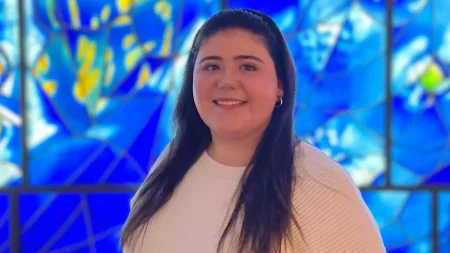
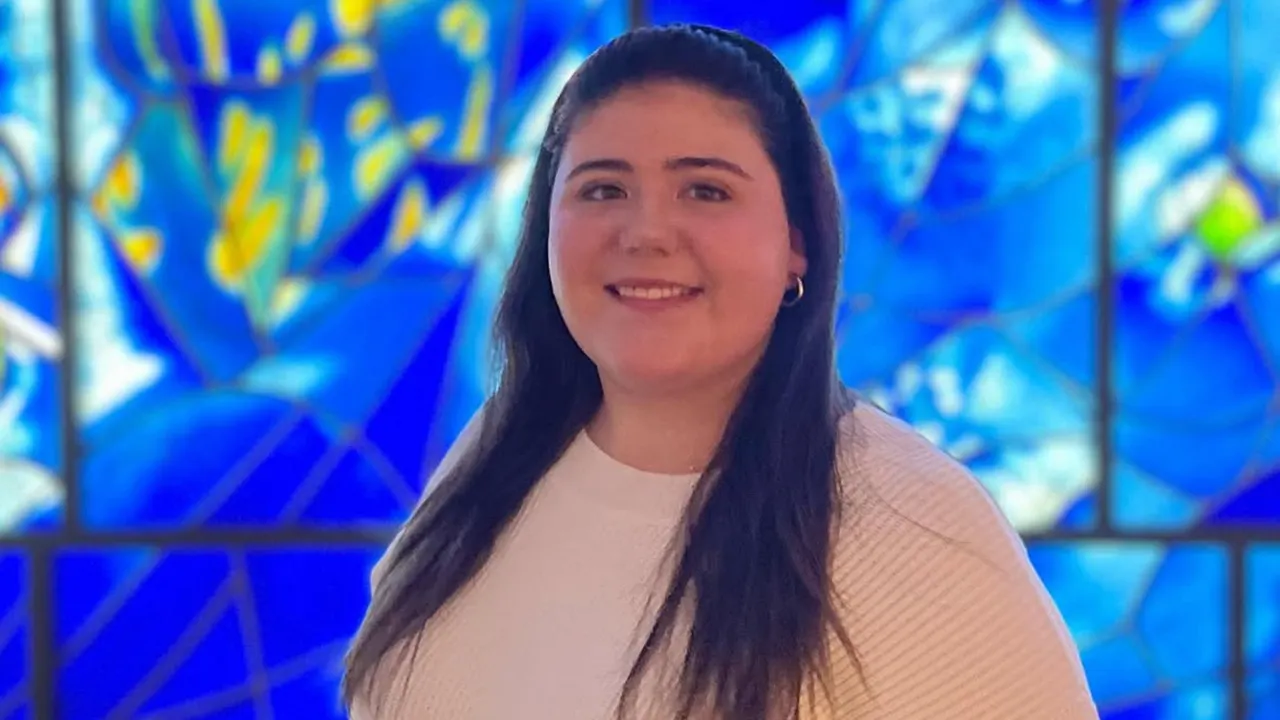
Imagine starting college with all the excitement of a bright future ahead—classes, friends, dreams unfolding. Sheridan Gorman, an 18-year-old New York native, was just that: a freshman at Loyola University Chicago, only months away from wrapping up her first year. She was vibrant, full of potential, and had her whole life stretching out like an open road. On a seemingly ordinary night, March 19, around 1:06 a.m., Sheridan was out with friends near a pier in Chicago’s Rogers Park neighborhood. It was a moment of youthful joy, laughter echoing in the night, until the unthinkable happened. A single gunshot shattered everything, ending her promising journey far too soon. Her family, back home in Yorktown Heights, was plunged into unimaginable grief. Jessica Gorman, Sheridan’s mother, described it best during an emotional vigil: she was angry, heartbroken, not just for her daughter, but for a world that let this happen. “I want to say this gently, but honestly, as a mom,” she said, her voice trembling with raw emotion. “I’m angry. I’m completely heartbroken.” It’s the kind of pain that no parent should have to bear, a void that’s impossible to fill. Sheridan’s life, cut short in an instant, highlighted the fragility of innocence and the sharp sting of loss that ripples through communities. As friends and loved ones mourned, the story of this young woman became a poignant reminder of how precious time is, and how one tragic night can change everything for a family forever.
This wasn’t just a random act; it was a devastating crime that exposed deeper societal wounds. Officials allege that Sheridan was shot by Jose Medina-Medina, a 25-year-old man from Venezuela who had entered the U.S. illegally. He was arrested shortly after, apprehended not far from the scene, still gripping the gun that took her life. For Sheridan’s friends, who were there that night, the memory must be haunting— from carefree conversations to screams and chaos as they fled. Eyewitness accounts painted a picture of panic in Rogers Park, a neighborhood that felt safe until it didn’t. Sheridan’s death stirred outrage, not just in her tight-knit circle but across the nation, as people grappled with the horror of a bright student being robbed of her future. Her mother, Jessica, channeled that anguish into advocacy, vowing to fight not only for justice for Sheridan but for broader changes to prevent such tragedies. “We’re going to fight for justice for our sweet Sheridan, and we’re going to fight for change,” she declared at the vigil. It’s easy to picture the tears in her eyes, the anger bubbling up, a mother’s fierce love turning into a call to action. Sheridan’s story touched hearts because she represented so many young adults chasing dreams—studying hard, building friendships, unaware that one wrong turn in the world could erase it all. In humanizing her loss, we see not a statistic, but a girl who loved life, perhaps dreaming of travel, careers, or simply more summers with her family.
The man accused of pulling the trigger, Jose Medina-Medina, arrived in the U.S. with a history of illegal entry. According to the Department of Homeland Security, he was apprehended by the U.S. Border Patrol on May 9, 2023, and released into the country under policies from the Biden administration. This detail has ignited debates about immigration enforcement, turning a personal tragedy into a political flashpoint. Medina-Medina, originally from Venezuela, had come seeking asylum or opportunity, but instead, he allegedly unleashed violence. For Sheridan’s family, knowing this backstory must add layers of frustration—why was he allowed to stay? How did his path cross hers in such a fateful way? It’s a reminder of how interconnected lives can be, and how system flaws can lead to heartbreaking outcomes. Meda-Medina’s arrest brought temporary closure, but for those who knew Sheridan, the “why” lingers like a shadow. Her father, echoing similar sentiments from other grieving parents, issued warnings, urging vigilance about immigration and safety. In our everyday lives, we often don’t think about these broader policies until they hit home, like with a college student enjoying a night out. Sheridan’s death humanizes the immigrant debate, showing real faces and real pain on both sides—the loss of a young life and the complexities of one man’s journey gone horribly wrong.
Amid the sorrow, a moment of national attention offered some solace. President Donald Trump, ever vocal on issues of crime and immigration, reached out personally. A White House official confirmed to Fox News that Trump spoke with Sheridan’s family, though details of the conversation remained private. This call wasn’t about politics; it was about empathy. Imagine the president taking time to listen to a grieving mother and father, acknowledging their pain and sharing in their outrage. For the Gormans, it might have felt like a glimmer of support from the highest office, a recognition that their daughter’s story mattered on a grand scale. Trump has long positioned himself as a champion for victims of illegal immigration-related crimes, and this gesture aligns with that narrative. In a time when families feel unheard, such outreach can provide comfort, a human touch in the midst of bureaucracy. Sheridan’s legacy began to extend beyond her circle, amplified by a leader who understood the emotional toll. It humanizes the political figure too—Trump wasn’t just reacting to headlines; he was connecting with real people in their darkest hour, offering words that might help begin the healing process.
At a vigil in Yorktown Heights, the outpouring of grief and solidarity was palpable. Sheridan’s mother, Jessica, stood before a crowd, her voice breaking as she poured out her heart. “I’m angry,” she admitted openly, not holding back the turmoil that comes with losing a child. “I’m completely heartbroken.” Those words must have resonated with every parent in the audience, who could picture their own kids in Sheridan’s place. The vigil became a melting pot of emotions—tears, hugs, shared stories of a girl who was kind, ambitious, and dearly loved. Friends from college shared memories of late-night study sessions and laughter, painting a picture of a life full of promise. Jessica’s vow to “fight for justice” inspired many, turning mourning into motivation. It’s the human spirit at work: transforming pain into purpose, ensuring Sheridan’s name lives on. Other families who’ve suffered similar losses, like the father of a 20-year-old recently killed by an illegal immigrant, echoed warnings, urging action. The event wasn’t just a tribute; it was a rallying cry, reminding us that behind every statistic is a person, a family, a community yearning for safer skies.
In the aftermath, Sheridan’s story has sparked conversations and calls for change. From her mother’s plea to broader policy debates, it’s clear this tragedy touches on immigration, public safety, and justice. The involvement of figures like Trump and the media coverage amplify voices often silenced. Fox News, with contributions from reporters Sophia Compton and Adam Sabes, brought this to light, humanizing the ordeal through personal accounts. Listening to Fox News articles could make such stories even more accessible, turning dry reports into immersive experiences. Ultimately, Sheridan’s death is a call to reflect on our world—where young lives are lost amidst larger issues. Her family fights on, honored by their courage. In remembering Sheridan, we honor all victims, striving for a future where no parent faces this agony. Change starts with empathy, and stories like hers remind us we’re all connected in our humanity.