


Trump’s NATO Thoughts: A New Perspective on Border Security and Alliance Obligations
In a thought-provoking statement shared on his Truth Social platform, former President Donald Trump suggested that the United States might have tested NATO’s commitment by invoking Article 5—the alliance’s collective defense clause—in response to America’s southern border crisis. “Maybe we should have put NATO to the test: Invoked Article 5, and forced NATO to come here and protect our Southern Border from further Invasions of Illegal Immigrants, thus freeing up large numbers of Border Patrol Agents for other tasks,” Trump wrote. This unconventional proposition represents a significant departure from traditional interpretations of NATO’s purpose, which has historically focused on military threats rather than immigration challenges. While experts would likely debate whether border security issues could qualify under Article 5’s provisions, Trump’s comment highlights his ongoing concerns about both border security and what he perceives as imbalances in America’s international commitments.
The former president’s NATO commentary comes amid a broader context of his questioning the alliance’s reciprocal obligations. Earlier this month, he remarked, “We will always be there for NATO, even if they won’t be there for us,” suggesting a perceived imbalance in the relationship between the United States and other alliance members. Such statements reflect Trump’s consistent focus on what he views as inequitable burden-sharing within international organizations—a theme that defined much of his foreign policy approach during his presidency. This perspective has generated considerable discussion about the future of American leadership in global security arrangements and whether longstanding alliances might be reframed around more direct reciprocity and specific American interests rather than broader principles of collective security.
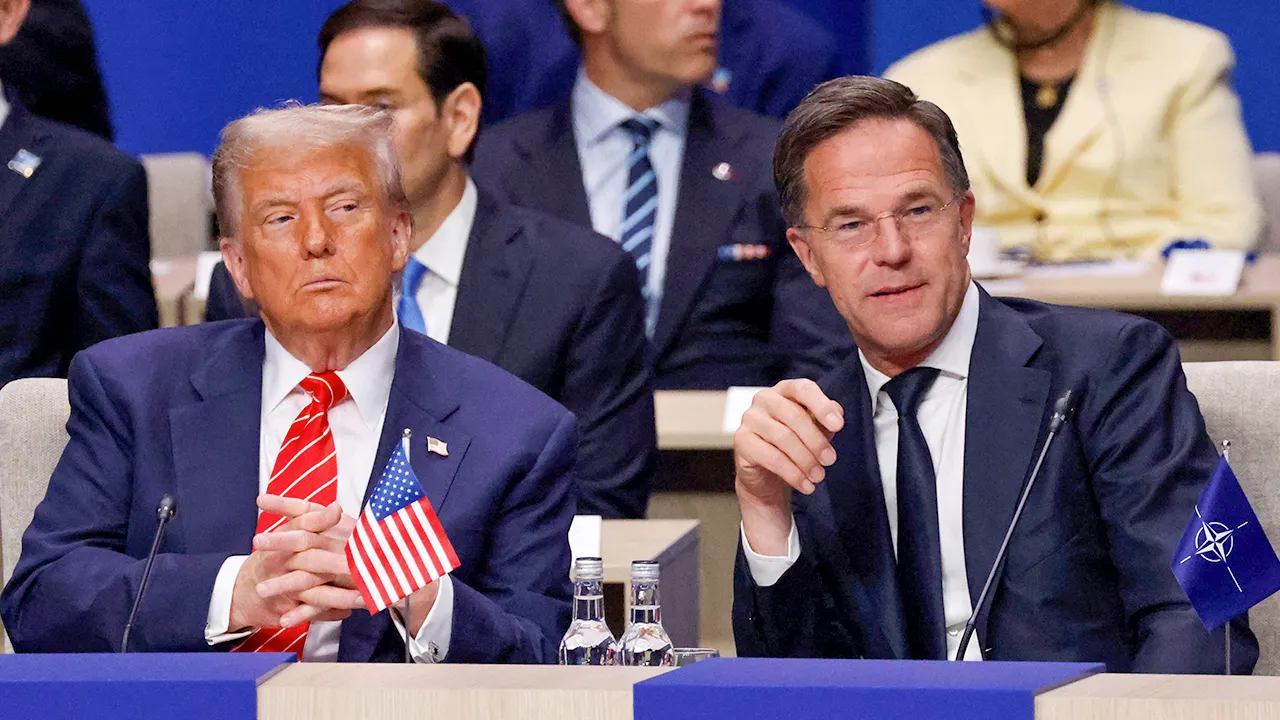
Interestingly, Trump’s comments on NATO coincided with his meeting with NATO Secretary General Mark Rutte at the World Economic Forum in Switzerland. Following this encounter, Trump announced progress on “the framework of a future deal regarding Greenland,” describing it as potentially “a great one for the United States of America, and all NATO Nations.” This development relates to his earlier interest in acquiring Greenland—a semi-autonomous Danish territory of strategic importance in the Arctic—and suggests a continued focus on expanding American influence in the region. The Arctic has increasingly become a focal point for security concerns as climate change opens new shipping routes and makes previously inaccessible resources potentially available, attracting interest from powers including Russia and China.
In connection with these diplomatic efforts, Trump indicated he would abandon a planned 10% tariff on NATO members who had deployed troops to Greenland as part of his initiative regarding the island. This announcement reflects the complex interplay between economic policy and security considerations in Trump’s approach to international relations. Secretary General Rutte, in an exclusive Fox News interview, supported Trump’s position on Arctic security, acknowledging increasing threats from Russia and China in the region. “I would argue tonight with you on this program he was the one who brought a whole of Europe and Canada up to this famous 5%,” Rutte stated, referencing increased defense spending commitments among NATO members that Trump had advocated for during his presidency.
The discussion around NATO spending highlights one of Trump’s most significant impacts on the alliance—pushing member countries to increase their defense expenditures. While NATO members previously committed to spending 2% of their GDP on defense, they have now agreed to allocate 5% to defense and national security infrastructure. This shift represents a substantial increase in collective security investment and validates Trump’s persistent criticism of what he perceived as free-riding by certain alliance members. By emphasizing concrete financial commitments rather than rhetorical solidarity, Trump’s approach has materially affected how NATO operates and how member nations prioritize defense within their national budgets.
These developments illustrate the evolving nature of international alliances in an increasingly complex security environment. Trump’s unconventional perspectives—whether regarding NATO’s potential role in border security or strategic interests in Greenland—challenge traditional diplomatic frameworks and force reconsideration of long-established arrangements. While his approach has generated controversy, it has also prompted meaningful discussions about burden-sharing, reciprocity, and the alignment of international commitments with specific national interests. As global security challenges continue to evolve, particularly with rising concerns about great power competition in regions like the Arctic, these discussions about the nature and purpose of alliances like NATO will remain critically important for American foreign policy, regardless of who occupies the White House.