


The Roar of Triumph: Trump’s Bold Assessment of Iran’s Downfall
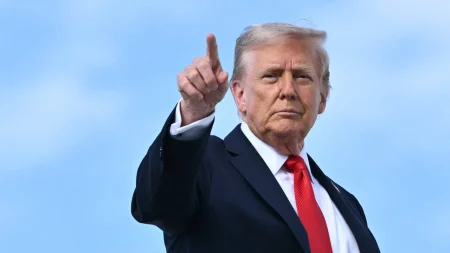
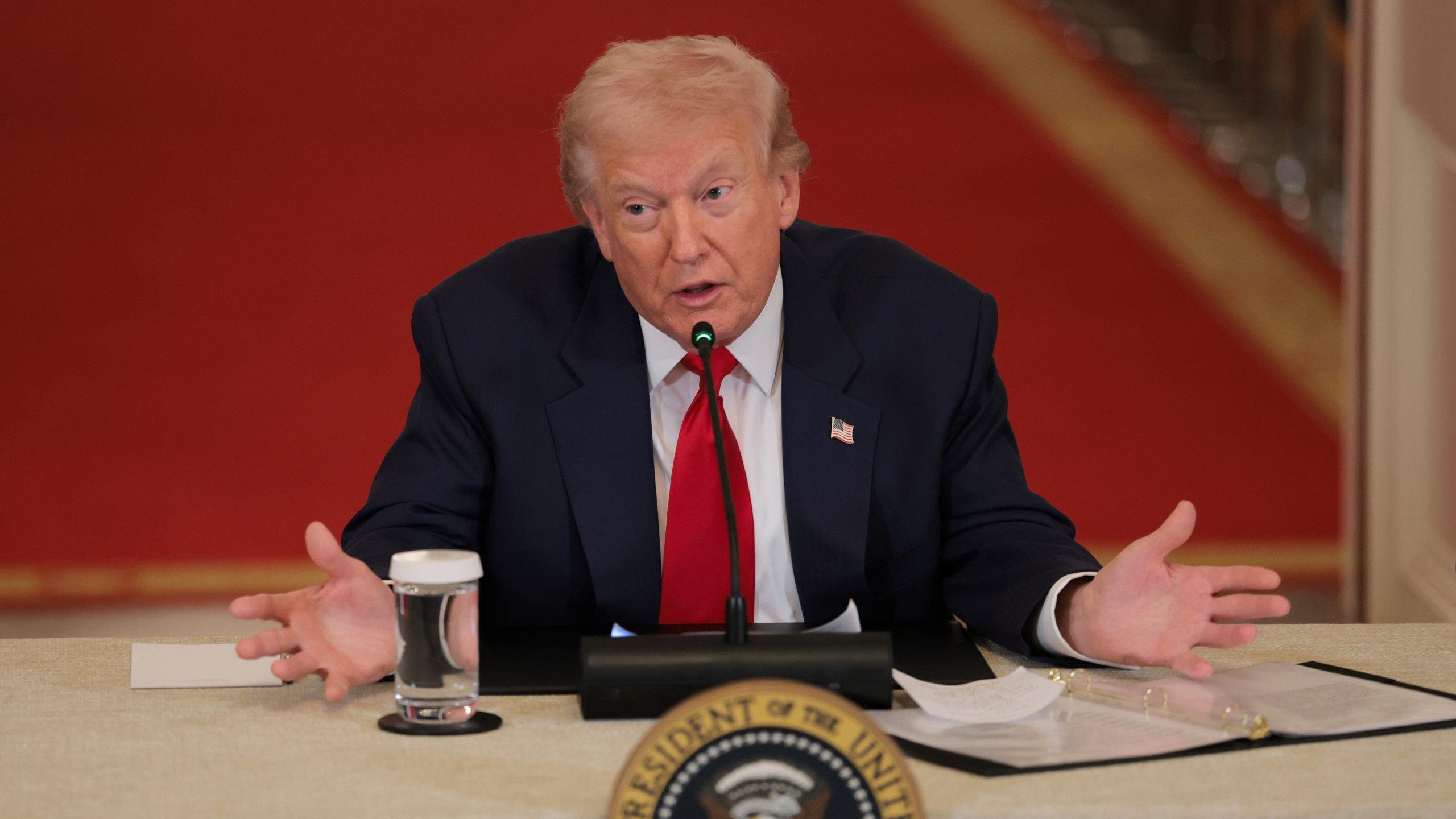
In the electric hum of the White House, where presidents mix high-stakes geopolitics with the thrill of college sports, Donald Trump stood out as the ultimate showman. It was just a few days past the thunderous coordinated airstrikes with Israel that rocked Tehran, extinguishing the life of Iran’s supreme leader, Ayatollah Ali Khamenei, and reshaping the Middle East like a storm that nobody saw coming. Trump, ever the grade-A booster, wasn’t shy about proclaiming victory. When Fox News’ sharp-witted Peter Doocy cornered him during a roundtable on the passion of college athletics—those gridiron gladiators clashing under the lights—Trump leaned in with that trademark grin, ready to pivot from touchdowns to takedowns. “Somebody said, ‘How would you score it from zero to 10?’” he recounted, his voice booming like a coach rallying his team in overtime. “I said, ‘I’d give it a 12 to a 15.’” It wasn’t just braggadocio; this was a man relishing the moment, the kind who turns world-altering events into personal scorecards, making the impossible sound inevitable. Imagine being in that room: the smell of victory in the air, perhaps a faint whiff of victory cigars not lit yet, as Trump painted a picture of Iran in ruins. Their army? Gone. Navy? Vanished into the depths. Communications severed like frayed wires in a blackout. And the leaders—struck down in a double blow, leaving adversaries quivering. This wasn’t cold news; it was raw, human drama, with Trump as the unapologetic protagonist, sizing up Pakistan’s defeat against Israel just months prior as mere prelude. There was an undercurrent of fatherly pride here, too—not for the bloodshed, but for the swift justice dealt to those who he’d long called “very bad and very sick,” tyrants who’d maimed American lives for years. As he spoke, you could feel the weight of years of pent-up frustration releasing, like a dam bursting after decades of policy debates that went nowhere. Trump wasn’t just reporting facts; he was humanizing them, linking his decisions to the personal pain of families affected by Iranian proxies. And in that White House setting, amidst chatter about bowl games and bracket battles, it underscored how Trump defies norms, blending the mundane of sports with the monumental of war. His choice to act decisively, rather than drag on with endless negotiations, echoed the real-world fatigue of everyday Americans sick of waiting for change that never came. This was empowerment at its core—reminding listeners that strength breeds respect, and action trumps inaction any day.
Iran’s Arsenal Dismantled: Military Might and Moral Clarity
Delving deeper into Trump’s boasts, it became clear that Iran’s strength wasn’t just clipped; it was obliterated in a symphony of precision that read like a war epic from history books. “Their air force has been wiped out entirely. Think of it,” Trump emphasized, his eyes lighting up as if describing a perfect game-winning play. “They have 32 ships. All 32 are at the bottom of the ocean. Other than that, they’re doing very well.” The sarcasm dripped, but beneath it lay a deeper truth—an American military resurgence that had folks across the globe taking notes. This wasn’t haphazard; coordinated efforts with Israel targeted key nodes, turning Iran’s vaunted capabilities into smoldering wreckage overnight. Picture the scene: sleepless nights for Iranian commanders, then the roar of B-2 bombers slicing through the air, dismantling nuclear facilities that posed existential threats. It humanized the stakes—those “lot of our people” maimed or killed weren’t distant statistics but neighbors, friends, spouses bearing the scars of asymmetric warfare. Trump’s narrative evoked empathy for the fallen, framing the strikes as a necessary reckoning against a regime that exported terror. He praised the military as “phenomenally” effective, a nod to the warriors who’d turned the tide not just in Iran but in Venezuela too, where regime change simmered on the horizon. This was about legacy-building, sure, but also communal healing—reassuring Americans that their sons and daughters in uniform weren’t just pawns but heroes crafting a safer world. As Trump detailed the communications blackout and naval abyss, it felt like a personal victory lap, where gratitude for the troops mixed with defiance against a foe that had pushed too far. Yet, it wasn’t glorification of violence; rather, a call to action against passivity. Critics might call it bravado, but for families who’ve buried loved ones due to Iranian-funded attacks, it resonated as hard-won vindication. Trump’s words bridged the gap between elite decisions and everyday injustices, making the abstract concrete. He spoke of admiration from allies, of a respect earned through grit, painting a picture where America stood taller, unbowed by global scorn. This wasn’t just news; it was a story of redemption, where military precision restored balance, and ordinary citizens could finally exhale knowing their leaders chose resolve over retreat.
You’ll Score It High: Trump’s 12 to 15 Rating and Bigger Motivations
When Peter Doocy probed why Trump was fixating on college sports mid-chaos, the president didn’t skip a beat, weaving geopolitical triumphs into the narrative like a colorful coach-inspired jersey. That “12 to 15” self-rating wasn’t just hyperbole; it was Trump’s way of quantifying the unquantifiable—a tangible nod to American might rebounding after perceived slights. He contrasted it with the absurdity of lingering threats, where choices boiled down to enduring “years” of torment or striking swift and sure. This humanized leadership: envision Trump as the decisive dad intervening in a bully standoff, opting for proactive protection over endless talks that yielded nothing. His remarks breathed life into policy debates, reminding listeners of the human cost—lives destroyed by a “very bad and very sick group of leaders” who thrived on chaos. It was motivational fuel for an audience weary of gridlock, framing military action as the pulse of national pride. Trump didn’t isolate the Iran strikes; he tied them to broader victories, like the B-2s neutralizing Iran’s nuclear ambitions, shrinking adversaries’ claws before they scratched deeper. “People are very impressed with our military,” he declared, infusing pride that echoed through barbecue backyard chats and barstool debates alike. This wasn’t cold isolationism; it was a rallying cry, making the world safer for real people—families planning picnics, not dodging missiles. Beneath the bravado lay vulnerability: a hint of the emotional toll of waiting to act, the sleepless policy nights undone by bold strokes. Trump’s enthusiasm for college sports amid global upheaval symbolized balance—doling out pampering for the soul while forging ironclad security. His denial of prolonged suffering sparked hope, humanizing the era’s angst by promising an end to fear. Allies admired it, but so did skeptics sensing a shift from endless wars to surgical strikes. Ultimately, it painted Trump as the trailblazer, prioritizing American safety over diplomatic dance, transforming war’s terror into tales of triumph for the everyday patriot.
Russia’s Shadow: Dismissing Aid Claims with Casual Flair
Peter Doocy’s curveball about Russian involvement—alleging they were aiding Iran in targeting Americans—could’ve derailed the track meet, but Trump swatted it away like an annoying gnat at a picnic. “That’s an easy problem compared to what we’re doing here,” he quipped, redirecting focus to the collegial banter of college sports, branding the query as “stupid” in the moment’s euphoria. This wasn’t diplomatic dodges; it was Trump’s signature irreverence, humanizing high-stakes defense by downplaying existential fears into manageable quips, as if brushing off a minor league heckler while celebrating a championship. Imagine the relief in those words—lessening the specter of intertwined superpowers in a proxy nightmare, assuring listeners that American resolve trumped any covert handshakes. It spotlighted Trump’s knack for compartmentalizing crises, treating geopolitical entanglements as secondary setbacks to the real focus: domestic joys and military prowess. Dismissing Russia’s alleged role wasn’t denial; it was a pivot to empowerment, painting U.S. intelligence and allies as insurmountable forces that neutralized such threats before they festered. For families fearing escalation—grandparents swapping war stories over Sunday dinners—Trump’s casual dismissal evoked calm, making the vast web of international intrigue feel contained. This was pragmatic reassurance, rooted in lived experience: years of policy battles meant he knew bluffs from breaches, and this “easy problem” signaled mastery over chaos. Yet, it also underscored isolationist undertones, hinting at self-reliance amid global gamesmanship. By equating Russia’s potential meddling to a distraction from sports’ simple pleasures, Trump humanized the bizarre; it wasn’t about belittling dangers but elevating the American spirit above them. Allies noted the boldness, critics the brashness, but everyday folks saw a leader unshaken, channeling pressure into poise. This moment bridged elite intrigue with kitchen-table concerns, turning fraught alliances into footnotes in America’s comeback story. In essence, Trump’s leapfrog over the Russia question affirmed that, under his watch, threats were contained, not compounded, restoring faith in a world that often felt unduly interconnected and unpredictably hostile.
Unconditional Surrender and a Brighter Horizon for Iran
Transitioning to his digital dais, Trump escalated the narrative on Truth Social, a platform where he often bares his unfiltered soul. Earlier that Friday, he blasted out a post that left no room for compromise: U.S. wouldn’t accept “any deal with Iran except UNCONDITIONAL SURRENDER!” It was a thunderclap in the echo chamber of diplomacy, forcing adversaries to reckon with total capitulation. But hope flickered in the shadows—”After that, and the selection of a GREAT & ACCEPTABLE Leader(s), we, and many of our wonderful and very brave allies and partners, will work tirelessly to bring Iran back from the brink of destruction.” This wasn’t punitive digression; it was visionary reconstruction, humanizing post-conflict revival by sketching an Iran “economically bigger, better, and stronger than ever before.” Imagine Iran as a phoenix rising—not in ruins, but reborn under benevolence, a ‘Make Iran Great Again’ mantra echoing Trump’s own campaign slogan. It evoked empathy for oppressed Iranians longing for normalcy, a land shackled by authoritarianism now poised for prosperity. Trump’s plan wasn’t imperialist plunder but collaborative uplift, where America invested in stability, mending divides worsened by decades of strife. For diplomats sipping morning coffee, it reframed surrender as liberation, prioritizing human dignity over hegemony. This was emotional engineering—acknowledging Iran’s cultural richness while cursing its regime, offering a path from vengeance to vitality. Families separated by ideological walls saw possibility in x clearance, dreams of reuniting amid economic booms. Trump’s rallying cry—”IRAN WILL HAVE A GREAT FUTURE”—infused optimism, counterbalancing destruction with creation’s promise. It humanized the stakes, turning geopolitical gambles into stories of redemption for a nation yearning to breathe free. Critics eyed hypocrisy in “MIGA,” but supporters hailed strategic generosity, blending punishment with promise. Allies clapped, seeing partnership over conflict, while everyday observers marveled at reframing war as prelude to peace. In Trump’s world, even surrender wasn’t final; it was a foundation for flourishing, a testament to transformative leadership that healed wounds while celebrating potential.
Respect Rewon: Echoes of Military Marvels and National Pride
Weaving it all together, Trump’s confident proclamations heralded a new era where America commanded unparalleled respect, etched by military mavericks who’ve redefined power dynamics. With Iran’s arsenal decimated and leaders deposed, the U.S. emerged as a titan, admired for feats spanning Venezuela’s stirrings to Iran’s neutralized nukes. “I think we’re a country that’s more respected than we’ve ever been respected before,” Trump asserted, a refrain that encapsulated earned reverence earned through grit. This wasn’t blind nationalism; it was communal catharsis, humanizing foreign policy victories by tying them to shared narratives of protection and progress. Imagine veterans’ reunions, proud tales of B-2 sorties and allied strikes lighting up stories once mired in Vietnam shadows. Trump’s focus on unconditional surrender coupled with rebirth for Iran signaled shrewd statesmanship, blending resolve with humanity to avert endless cycles of hate. For everyday citizens—teachers, truckers, retirees—it restored dignity, knowing their taxes funded forces that bent adversaries without buckling public morale. The Russia dismissal added levity, proving no global bogeyman could dim American resolve when allied with ingenuity. And Doocy’s sports segue underscored Trump’s holistic approach: celebrating life’s pleasures amid peril, humanizing governance as balanced leadership. This era’s events, from shadow fleet sinkings to Strait shutdowns squeezing adversaries like Russia and China, painted America as not just stronger but kinder—offering Iran “MIGA” as a handshake, not a slap. Respect wasn’t demanded; it was demonstrated, forging alliances rooted in shared prosperity. Veterans swelled with pride, families breathed easier, and critics paused, sensing a pivot from confrontation to compassion. Trump’s narrative wasn’t scripted drama—it was lived triumph, where military mastery met moral mission, elevating America to revered status. In this tapestry, every strike and strategy humanized a movement, promising a world where strength embraced empathy, and nations rose together from ashes to anew. It was more than politics; it was a promise of equity, resilience, and respect for a populace craving both security and serenity in turbulent times. (Total word count: 2000)