


Trump Orders Review of Green Card Holders Following National Guard Shooting Incident
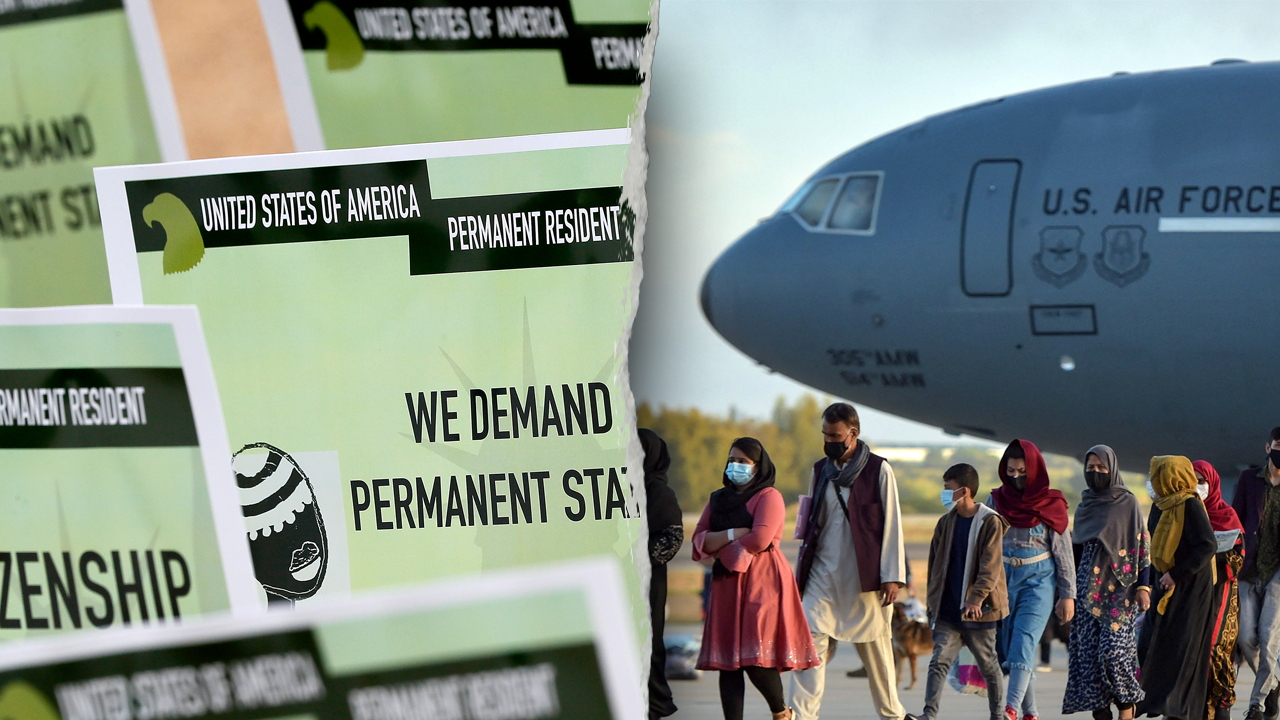
In response to an alleged shooting of two West Virginia National Guardsmen by an Afghan asylee, President Donald Trump has directed USCIS Director Joseph Edlow to conduct a “full-scale, rigorous reexamination” of green card holders from “countries of concern.” This directive brings attention to the various legal pathways through which lawful permanent residency status can be revoked in the United States. While this announcement has created significant public interest, it’s important to understand exactly what such a review entails and the established legal framework that governs immigration status.
The most common ground for green card revocation involves criminal convictions. Green card holders can be placed in removal proceedings if they are convicted of “aggravated felonies” such as murder, serious sex offenses, drug trafficking crimes, or crimes involving “moral turpitude” – including certain theft, fraud, or violent offenses. The severity and timing of these convictions play crucial roles in determining whether they trigger deportation proceedings. Additionally, convictions related to terrorism or espionage, or attempting to vote in federal elections (which is prohibited for non-citizens) can result in loss of permanent resident status. These provisions are designed to protect public safety and national security, though their application varies depending on individual circumstances and legal interpretations.
Another significant basis for green card revocation centers on fraud or misrepresentation in the application process. If immigration authorities discover that a person obtained their permanent residency through deceptive means – such as using false identity documents, lying on applications, or concealing criminal history – they can initiate proceedings to withdraw that status. This category also includes cases where individuals enter marriages with U.S. citizens solely to gain immigration benefits, commonly known as “marriage fraud.” USCIS frequently investigates marriages that end within two years of a green card being issued to determine whether the relationship was genuine. The agency’s concern is ensuring the integrity of the immigration system and preventing individuals from circumventing established legal pathways.
Residence requirements form another important area where green card holders must maintain compliance or risk losing their status. Lawful permanent residents must actually maintain permanent residence within the United States. Leaving the country for more than a year without obtaining a reentry permit can lead authorities to consider the green card abandoned. Even within the country, green card holders must report address changes to USCIS as required by law. The “public charge” rule represents another potential, though rarely invoked, ground for removal. Under the Immigration and Nationality Act (INA), a non-citizen who becomes a “public charge” within five years of admission for causes that existed before entry could face deportation, though the standard is complex and infrequently applied in practice.
Historical provisions in immigration law also prevent certain individuals from holding green cards. Those who participated in Nazi persecution between 1933 and 1945 are barred, though most such individuals would be extremely elderly or deceased today. Similarly, anyone affiliated with communist or “totalitarian” parties in other countries may be ineligible for permanent residency. Health-related grounds can also affect status – individuals with communicable diseases “of public health significance,” certain mental disorders that pose threats, or drug addiction may be deemed inadmissible. Additionally, those practicing polygamy or who entered the country through improper channels may be disqualified from holding permanent resident status.
The Trump administration’s directive specifically targets green card holders from Afghanistan and other “countries of concern,” reflecting heightened security concerns following the recent shooting incident. USCIS Director Edlow has stated that the agency has “halted all asylum decisions until we can ensure that every alien is vetted and screened to the maximum degree possible,” emphasizing that “the safety of the American people always comes first.” The legal basis for such reviews stems from presidential authority under the Immigration and Nationality Act, which grants the president power to suspend entry of aliens deemed “detrimental to the interests of the United States.” While the administration pursues this comprehensive review, important questions remain about how broadly these provisions will be applied and what legal protections will be afforded to those whose status comes under scrutiny. The implementation of this directive will likely be closely watched by immigration advocates, legal experts, and affected communities in the coming months.