

Echoes of a Political Storm in DC’s Streets
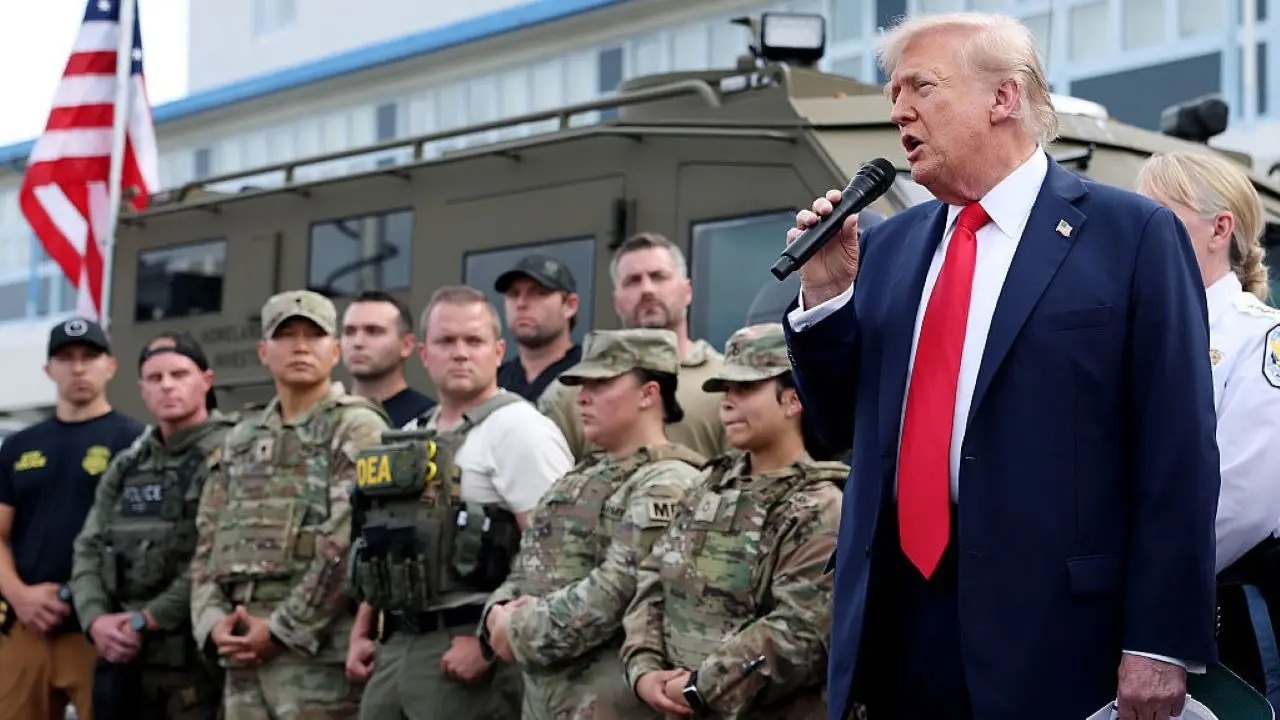
It’s funny how a year can turn whispers into roars. Back then, President Donald Trump stirred up a hornet’s nest by claiming the District of Columbia was fudging its crime numbers to paint a picture of safety that wasn’t real. To make his point, he sent in the National Guard, sparking debates that echoed through the corridors of power. At the time, it felt like a bold move to protect the nation’s capital, but for many, it reeked of overreach. Now, as dust settles, we’re seeing the fallout unfold like a gripping drama—corruption allegations within the Metropolitan Police Department (MPD) that could rewrite how we view those “safe” statistics.
Fast-forward to today, and the story gets even juicier. MPD Interim Chief Jeffrey Carroll revealed that 13 officers are on leave, with some facing termination, amid an investigation into crime reporting manipulation. It all started with a referral from the U.S. Attorney’s Office earlier this year, peeling back layers of alleged misconduct. Senior folks, including an assistant chief and a district commander, are under the spotlight, raising eyebrows about who knew what when. This probe isn’t just paperwork; it’s about whether innocent residents were gaslit with bogus reports while real dangers lurked unchecked. It reminds me of those personal stories where someone dismisses a neighbor’s concerns, only for the truth to explode later.
Trump’s original callout—that DC was perhaps the world’s most dangerous city without the Guard—feels vindicated in hindsight. House Oversight Committee Chairman James Comer, a Republican from Kentucky, jumped in to claim credit, saying his team’s work exposed “dangerous efforts” to artificially deflate crime rates. It’s like watching a detective novel where the whistleblower finally gets their due. The White House didn’t comment, but this development paints Trump as prescient, even if his tactics drew fire. For everyday folks in DC, it’s a wake-up call: who can we trust when the numbers that guide our safety might be as solid as a house of cards?
On the flip side, Democrats in and around DC haven’t taken this lying down. They see Trump’s actions as a power grab, offensive and extreme. Delegate Eleanor Holmes Norton blasted it as a “disproportionate overreaction,” while the District Council, a Democrat-only crew, called it off-base. DC Attorney General Brian Schwalb sued the federal government, accusing the administration of unlawfully poaching control from MPD Chief Pamela Smith. In his words, it threatened the District’s cherished home-rule self-governance, putting residents at risk. It’s a classic Washington tussle—politicians battling for control, but at the heart, it’s about protecting communities from external meddling that feels more like a takeover than help.
Even Senate Minority Leader Charles Schumer, ever the fiery orator from New York, jumped in with expletives when asked about extending the Guard’s stay: “No f—ing way,” he roared, tying it to distractions from scandals like the Jeffrey Epstein files. Schumer portrayed it as Congress blocking a “hostile takeover,” showcasing the raw emotion in this partisan fray. It humanizes the whole mess—folks on all sides arguing fiercely, not just over policies, but over pride, safety, and who gets the last word in governing a city that’s symbolic for the entire nation.
Finally, amidst the chaos, MPD’s union boss Gregg Pemberton welcomed the suspensions with open arms. He decried a “toxic culture of coercion, fear, and corruption” that left thousands of cases uninvestigated. Victims were denied justice, residents misled, and dangerous criminals roamed free—all while public reports lied about the crime reality. No forensics teams dispatched, evidence uncollected—it’s heartbreaking, like stories from folks who’ve had 911 calls brushed off only to regret it later. This scandal isn’t just about cops and politicians; it’s a reminder that trust in systems starts with honesty. As investigations deepen, one wonders if this will lead to real change or just more political theater. In the end, it’s about people—the officers struggling with pressure, the residents seeking safety, and the leaders grappling with a truth that’s been buried too long. The nation’s capital, once heralded as a beacon, now faces a reckoning that could either unite or divide it further.