


Trump’s Social Media Post Sparks Controversy Over Rep. Omar
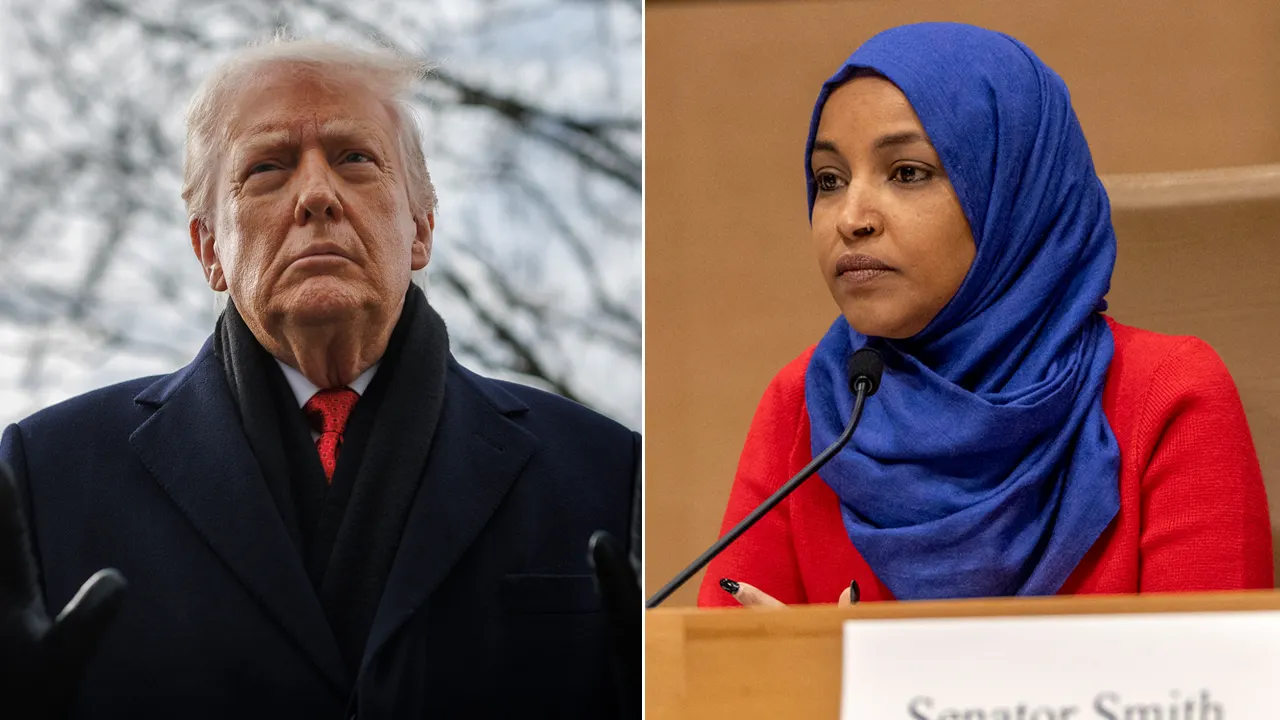
In a strongly-worded social media statement Sunday night, former President Donald Trump targeted Minnesota Representative Ilhan Omar, suggesting she should face imprisonment or deportation to Somalia. His post on Truth Social connected Omar to allegations of a “$19 billion Somalia fraud” in Minnesota, though he provided no evidence or details about this claim. Trump described Omar, who has represented Minnesota’s 5th congressional district since 2019, as a “fake Congresswoman” and “constant complainer who hates the USA.” The former president’s rhetoric escalated to suggesting that Omar should be sent back to Somalia, which he characterized as “one of the absolutely worst countries in the World,” adding she could help “MAKE SOMALIA GREAT AGAIN”—a play on his campaign slogan. These comments represent one of the sharpest personal attacks Trump has made against the Democratic congresswoman.
Representative Omar, who was born in Somalia and fled as a refugee during the country’s civil war, has been an American citizen since 2000. She made history as one of the first Muslim women elected to Congress and has been a frequent target of criticism from conservatives throughout her political career. Trump’s comments come amid ongoing tensions surrounding immigration enforcement in Minnesota, where he claimed “ICE is removing some of the most violent criminals in the World” and questioned why state officials might oppose such actions. He further suggested that protests against immigration enforcement included “highly paid professional agitators and anarchists,” framing the situation as a public safety concern while simultaneously connecting it to his fraud allegations against state leadership.
The former president’s post included additional accusations against both Omar and Minnesota’s governor, claiming they don’t mind the immigration protests because “it keeps the focus of attention off the 18 Billion Dollar, Plus, FRAUD, that has taken place in the State!” Though Trump has repeatedly referenced massive fraud in Minnesota, he has not provided substantive evidence to support these claims, and the dollar amounts he cited varied between $18 billion and $19 billion in his posts. He also revived an unsubstantiated allegation that Omar “married her brother,” a claim that has circulated in conservative circles for years despite Omar’s consistent denials and lack of conclusive evidence.
Omar recently drew criticism from Republicans for referring to the United States as the “U.S. God—- States” during remarks about immigration enforcement. This comment prompted Utah Republican Senator Mike Lee to question on social media what consequences should follow such language from a member of Congress. Technology entrepreneur Elon Musk responded to Lee’s post with a provocative suggestion that the penalty should be “Whatever the penalty is for treason,” further intensifying the rhetoric surrounding Omar. Her office had not responded to requests for comment on Trump’s Truth Social post as of Monday, according to the original report.
Trump’s targeting of Omar follows a pattern of criticism he has directed toward her and other progressive women of color in Congress, whom he infamously suggested should “go back” to the “places from which they came” in 2019. That earlier comment, directed at four Democratic congresswomen including Omar, sparked widespread condemnation and accusations of racism. The latest social media attack comes as Trump continues his 2024 presidential campaign, where immigration and border security remain central themes of his platform. The incendiary language in his post has raised concerns among critics about the potential impact of such rhetoric on public discourse and the safety of elected officials.
The controversy highlights the deeply polarized nature of American politics, particularly surrounding issues of immigration, national identity, and who “belongs” in positions of power. While Trump’s supporters may view his comments as straight talk about someone they perceive as unpatriotic, his critics see dangerous xenophobia and racism that undermines democratic norms. As the 2024 campaign season intensifies, exchanges like this suggest that personal attacks against political opponents—especially those from immigrant backgrounds—may continue to feature prominently in the national conversation, raising questions about the boundaries of acceptable political discourse in America’s increasingly divided landscape.