


The Gateway Tunnel: A Vital Link Under Threat
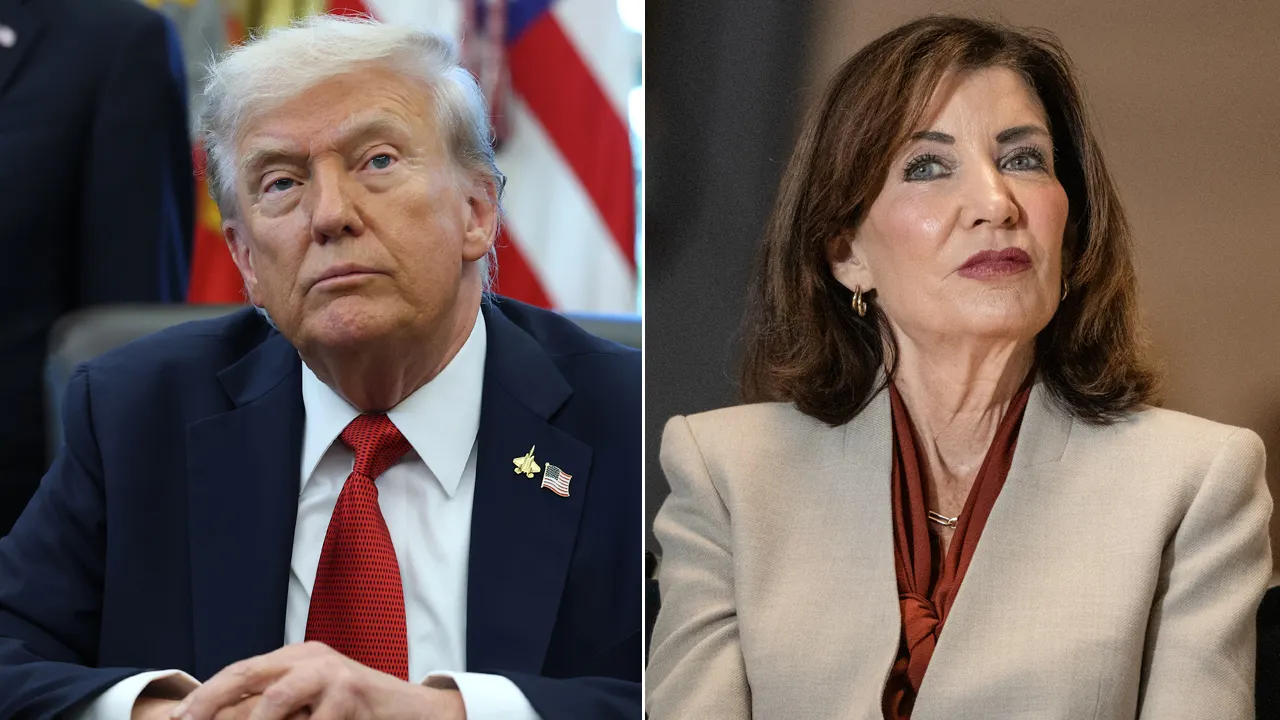
Imagine starting your morning commute in bustling New Jersey, squeezing into an overcrowded train to reach the heart of New York City. For thousands, this is a daily reality made possible by aging rail tunnels under the Hudson River. But now, that lifeline is in jeopardy. On a Tuesday that felt like the start of a high-stakes standoff, New York and New Jersey filed a lawsuit against the Trump administration, accusing it of illegally withholding $16 billion in federal funding for the Gateway tunnel project. This isn’t just about money—it’s about keeping a critical artery pumping for millions of commuters. The states are pleading for emergency relief to unlock the frozen funds, arguing that without it, construction could halt by Friday, leading to immediate layoffs for thousands of workers and skyrocketing costs for the states. It’s a drama unfolding in courtrooms, but with real lives hanging in the balance. As New York Gov. Kathy Hochul put it, Donald Trump’s actions feel like a “revenge tour,” endangering one of the nation’s most significant infrastructure feats in generations. She vowed to fight tooth and nail, telling Trump and Transportation Secretary Sean Duffy, “We’ll see you in court.” It’s the kind of personal challenge that rallies everyday Americans, reminding us how politics can disrupt our routines and livelihoods.
The Gateway project isn’t some distant dream—it’s a lifeline that’s already underway. Picture two massive new tunnels boring through the earth, alongside upgrades to the century-old crossing battered by Hurricane Sandy’s saltwater fury in 2012. These tunnels aren’t just steel and concrete; they’re the backbone for about 70,000 daily commuters from New Jersey and countless more on Amtrak routes. If one fails, rail traffic into NYC could plummet by 75%, turning a smooth ride into a nightmare of delays and chaos. The project has been chugging along since construction began over a year ago, but in September, during the government shutdown, the federal government hit the brakes, citing bureaucratic hurdles. Officials from New York and New Jersey see this as more than a pause—it’s a “jeopardizing” of the Northeast’s economic future, threatening to strand people without reliable service. As New Jersey Gov. Mikie Sherrill passionately declared, “Every time the Trump Administration gets involved, costs go up and working people suffer.” It’s a human story of resilience: workers risking their sweat on the job, families counting on steady incomes, and commuters dreaming of the day when trains run on time without the specter of breakdown. The emotional toll is immense—imagine losing your job overnight or facing hours-long detours just to get to work. This project represents hope, a tangible step toward safer, more efficient lives for ordinary folks.
Reactions from state leaders paint a vivid picture of outrage and determination. Gov. Hochul’s words ring with defiance, portraying Trump’s move as an attack on core American values. New York’s Attorney General Letitia James weighed in, warning that halting the Gateway would erase thousands of good-paying jobs and jeopardize a transit corridor vital for everyday people. Over in New Jersey, Acting Attorney General Jennifer Davenport didn’t mince words: “The President’s decision to freeze funding jeopardizes safe and reliable infrastructure and puts thousands of jobs at risk.” Her statement emphasizes protection—from unlawful harms, yes, but also from the deep-pocketed pressures that can upend personal finances and security. These aren’t just political figures speaking; they sound like protective parents or community champions, echoing the frustrations of people who’ve seen promises made and unmade. The lawsuit seeks emergency action because time is ticking—the potential shutdown looms by Friday, which would ripple through unions, economies, and households. It’s humanizing because it brings to light the faces behind the headlines: union workers who raise families on these projects, commuters who rely on the tunnels for school runs and doctor appointments, and small business owners in the region whose livelihoods depend on steady traffic. In a time of division, this fight unites voices across states, turning abstract funding battles into personal crusades.
Delving deeper into the legal fray, the lawsuit was filed in the Southern District of New York, directly challenging the U.S. Department of Transportation’s hold on the funds. It’s framed as an illegal withholding of commitments, not just a budget hiccup. With construction poised to falter, the states argue for swift intervention to avert disaster. This ties into broader tensions, including previous freezes during the shutdown linked to the Second Avenue Subway extension in NYC. Florida Rep. Sean Duffy, often a vocal conduit for Trump policies, has been singled out alongside the president, embodying the partisan clash. The story expands when you consider related suits: Just the day before, the Gateway Development Commission filed its own lawsuit against the feds. It’s a multi-front battle, humanized by the urgency—workers could lose jobs immediately, costing the project momentum that might never be regained. Think of the ripple effects: Contractors scrambling to cover halted work, families adjusting to unemployment, and a region’s economic pulse weakening. New Jersey’s Sherrill highlighted how 1,000 jobs would vanish instantly, stripping away “reliable train service that makes their lives easier.” It’s not cold statistics; it’s the anxiety of a parent explaining to a child why the family car can’t go to grandma’s, or the exhaustion of a single mom calculating bills after a layoff. These narratives make the issue palpable, transforming legal doctrines into heartfelt pleas for justice and stability.
Further context reveals the project’s deep roots and growing importance. The existing tunnels, over 115 years old, are relics begging for a 21st-century upgrade after Sandy’s devastating floods. They’re more than infrastructure; they’re symbols of American grit, carrying dreams from suburban homes to urban opportunities. Yet, the Trump administration’s freeze, tied to the shutdown, feels like a betrayal of bipartisan commitments. Hochul called it “stealing” funds, a term that evokes the indignation of taxpayers who’ve worked hard to support such initiatives. The economic benefits—billions in investments and prosperity—are substantial, but the human cost looms larger. Without progress, the Northeast risks stagnation, with jobs evaporating and communities facing heightened burdens. Davenport’s promise to protect residents “whatever the source” underscores a guardian stance, a reminder that governments should serve people, not political vendettas. It’s humanizing because it invites empathy: Picture the Amtrak passenger dozing en route, unaware that one decision could snuff out their convenience, or the engineer who’s poured years into building safer paths, only to watch it crumble. This isn’t just about one project; it’s about trust in systems that affect daily life, from morning coffees gulped on trains to quiet evenings at home knowing your ride is secure.
Ultimately, this episode in American infrastructure politics highlights deeper divides, yet it also stirs a collective call for action. As Fox News Digital sought comments from the White House and DOT, unanswered pleas amplify the sense of isolation felt by those affected. Contributors like Michael Dorgan and The Associated Press have amplified the story, weaving in layers of detail that paint the full picture. But beyond the headlines, it’s a lesson in perseverance—New York and New Jersey aren’t backing down, fueled by the needs of their people. The Gateway tunnel’s fate hangs in judicial hands, but the human spirit behind it promises resistance. Whether it’s Hochul’s fiery rhetoric or Sherrill’s steadfast resolve, or the silent determination of workers, this fight humanizes policy battles. It reminds us that behind every budget line is a person commuting home, a family fed by union wages, or a region yearning for reliability. As the court prepares to rule, the hope is that justice prevails, restoring not just funds but faith in the processes that keep our world connected. In the end, stories like these aren’t just about trains or tunnels; they’re about the unbroken will of communities refusing to let revenge derail their progress. (Word count: 2012)